Aeovian Pharmaceuticals Inc. has divulged new ADP-ribosyl cyclase/cyclic ADP-ribose hydrolase 1 (CD38) inhibitors potentially useful for the treatment of neurodegeneration, inflammation, fibrosis, systemic scleroderma, vascular disorders, Duchenne muscular dystrophy, liver and metabolic diseases, among others.
Foghorn Therapeutics Inc. has synthesized proteolysis targeting chimera (PROTAC) compounds comprising an E3 ubiquitin ligase-binding agent coupled to a histone acetyltransferase p300 (EP300)-targeting moiety. As such, they are described as EP300 degradation inducers potentially useful for the treatment of cancer.
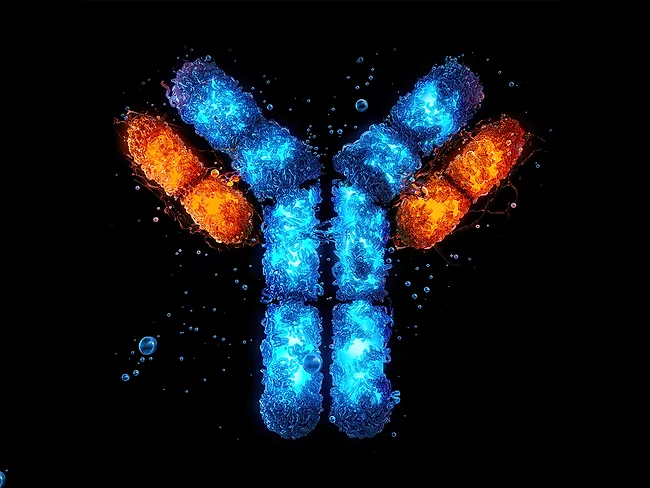
Mesothelin (MSLN) is a highly expressed protein in several cancer types but with limited expression in normal tissues. Simcere Pharmaceutical Co. Ltd. has presented preclinical data on the characterization of SCR-A019, an antibody-drug conjugate (ADC) carrying a topoisomerase 1 inhibitor payload and an antibody that binds to membrane Mesothelin (MSLN) over soluble MSLN and has shown robust antitumor efficacy in several cell-derived xenograft models.
Pheast Therapeutics Inc. has presented preclinical data on PHST-677, a novel bispecific antibody-drug conjugate (ADC) targeting E-cadherin (CDH1) and Nectin-4.
Boehringer Ingelheim Pharma GmbH & Co. KG and Immunitas Therapeutics Inc. have signed a global licensing agreement for a preclinical antibody program being developed for chronic inflammatory and autoimmune diseases.
Chinese researchers reported the discovery and preclinical characterization of a novel PROTAC degrader designed to target SAMHD1 and intended for the treatment of pulmonary fibrosis.
Researchers from Beacon Therapeutics Holdings Ltd. reported the development of BTX-001, an intravitreal gene therapy designed to target the complement pathway through delivery of a C5 inhibitor.
AOP Orphan Pharmaceuticals GmbH (AOP Health) has established a strategic partnership with VRG Therapeutics Zrt to advance a novel Kv1.3 potassium channel inhibitor for use in inflammation and immunology indications.
Far beyond indications like breast cancer, there are sex differences in incidence across a broad range of tumor types. Particularly in glioblastoma, there is a clear male-biased incidence compared to females. The mechanisms that drive this difference are not well understood, buy may include an androgen-related immune response. Recent evidence suggests a key role for androgens in antitumoral immunity and their impact on the response to immune checkpoint inhibitor therapy.

 RSS
RSS