There are real world demonstrations of how autonomous artificial intelligence agents are poised to disrupt biomedical research, according to two papers published May 19 in Nature. Each describes an AI system that assists across the piece, from generating hypotheses to designing experiments, analyzing the data and refining hypotheses in the light of new data.
On Sunday, May 17th, 2026, the World Health Organization classified the ongoing Bundibugyo ebolavirus outbreak in the Democratic Republic of Congo (DRC) as a public health emergency of international concern (PHEIC). The rapid escalation to PHEIC is due to several factors. Given the high number of cases, the outbreak has likely been going undetected for some time, and may be a “much larger outbreak than what is currently being detected and reported, with significant local and regional risk of spread,” according to the WHO statement. The outbreak appears to already have crossed the border from the DRC into Uganda at least twice. And all this is happening with a virus for which there are no approved treatments or vaccines.
Prelude Therapeutics Inc. has identified new proteolysis targeting chimera (PROTAC) compounds comprising an E3 ubiquitin ligase Von Hippel-Lindau disease tumor suppressor (VHL)-binding moiety coupled to a probable global transcription activator SNF2L2 (SMARCA2; BAF190B; SNF2-α)- and SMARCA4-targeting moiety.
Kimia Therapeutics Inc. has disclosed new ATP-dependent RNA helicase A (DHX9) inhibitors potentially useful for the treatment of cancer, autoimmune and viral infections.
A Convalife Pharmaceuticals Co. Ltd. and Zhejiang Convalife Pharmaceutical Co. Ltd. patent describes new complement factor B (CFB) inhibitors potentially useful for the treatment of IgA nephropathy, paroxysmal nocturnal hemoglobinuria, atypical hemolytic uremic syndrome, age-related macular degeneration, cardiovascular disorder and cancer.
Shanghai Meiyue Biotech Development Co. Ltd. has synthesized new benzopyrimidine compounds acting as histone-lysine N-methyltransferase EHMT2 (H3-K9-HMTase 3; G9a) inhibitors potentially useful for the treatment of cancer, autoimmune disease, metabolic diseases, gastrointestinal and inflammatory disorders.
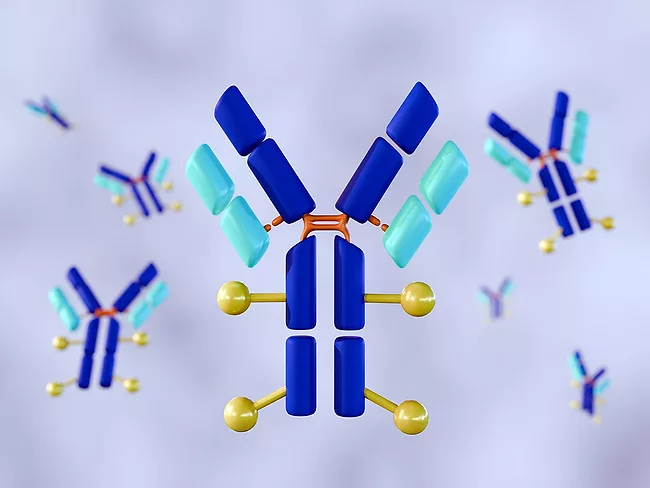
Iksuda Therapeutics Ltd. and UCL Business Ltd. have prepared new antibody-drug conjugates comprising antibodies targeting B7 homolog 3 (B7-H3, CD276) covalently linked to cytotoxic drug, designed for potential use in the treatment of cancer.
Antibody-drug conjugates (ADCs) with a dual payload, which deliver two distinct cytotoxic agents via a single antibody, are emerging therapeutics developed to address the limitations of classic ADCs. Primelink Biotherapeutics (Shenzhen) Co. Ltd. recently presented data for their dual-payload ADCs, highlighting PLB-015, which carries a TOP1 inhibitor and an ATR inhibitor with an anti-HER2 antibody and is designed to inhibit the DNA damage response activated by cancer cells when harmed.
Researchers at the School of Pharmacy and Biomolecular Sciences from the Royal College of Surgeons in Ireland and collaborating institutions have detailed the design, synthesis and biological evaluation of a new series of triazine-based multitarget inhibitors aimed at dual inhibition of PI3K and HDAC for breast cancer therapy.
Researchers from the Cleveland Clinic identified a new mechanism of AIC involving upregulated TOP2B expression and directly impacting cardiomyocyte function without the formation of TOP2B-anthracycline-DNA complexes in cardiomyocytes.
 RSS
RSS