Small nuclear RNAs (snRNAs) play a crucial role in RNA splicing and cell functioning. The transcription of these RNAs is initiated by small nuclear RNA activation protein complex (SNAPc), and SNAPC4 is the subunit in charge of SNAPc-DNA binding. Previous studies have found that SNAPC4 deficiency led to decreased expression of these RNAs in animal models.
Researchers from Children's Hospital Los Angeles presented data from a study that linked a homozygous missense mutation in ARSK to a new subtype of the lysosomal storage disease mucopolysaccharidoses (MPS).
Dimethylfumarate (DMF) is largely used for treating multiple sclerosis (MS), but about 61% of DMF-treated patients develop lymphopenia, with its consequent associated risks. Biomarkers for monitoring treatment efficacy with DMF in patients with MS would be helpful in this field.
Researchers from Bern University Hospital and University of Bern presented data from a case study that identified the presence of anti-neurochondrin antibodies as a potential biomarker of primary autoimmune cerebellar ataxia (PACA).
Selenophosphate synthetase 1 (SEPHS1) plays an essential role in the metabolism of selenium and has ATPase activity that synthesizes selenophosphate from ATP and selenide. Researchers have hypothesized the potential involvement of SEPHS1 in genetic disorders. They presented a series of case reports involving 9 individuals with heterozygous missense variants in the SEPHS1 gene; all these variants resided in the C-terminal domain or near the AIR synthase-related domain of the gene.
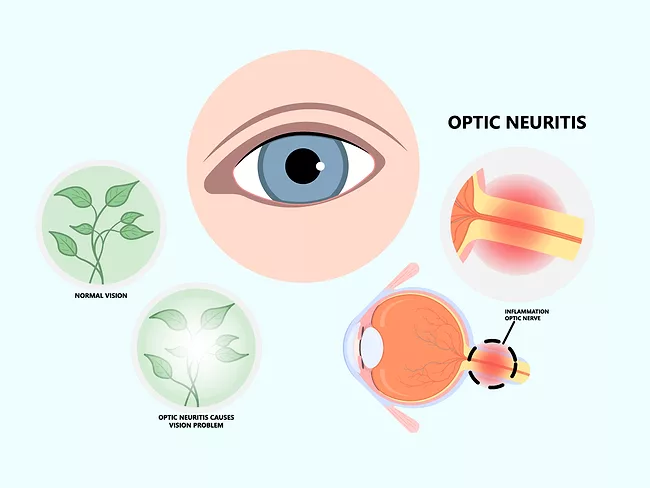
Neuromyelitis optica-related disorder (NMORD) consists of a spectrum of diseases characterized by recurrent optic neuritis and/or myelitis, with most cases being associated with a pathogenic antibody against aquaporin-4 (AQP4-Abs) or antibodies targeting the myelin oligodendrocyte glycoprotein (MOG-Abs).
Multiple sclerosis (MS) is an inflammatory disease affecting the central nervous system that causes damage to myelin, neurons and axons, and which results in neurodegeneration. Identification of useful blood biomarkers for MS is still a challenge.
Sequencing of a total of 16 individuals from 4 multiplex families representing rare and diverse anorectal malformation (ARM) types, as well as 3 surgically resected tissue specimens, resulted in the identification of a novel paternally inherited heterozygous CDX2 variant [c.722A>G (p.Glu241Gly)].

 RSS
RSS