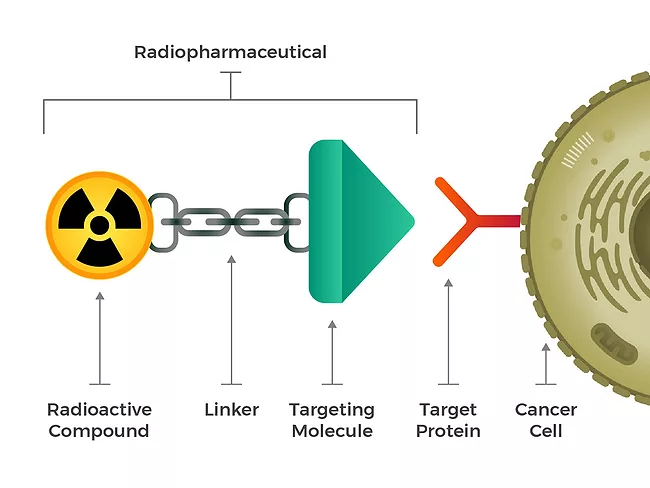
A year out from Leqembi’s approval for Alzheimer’s disease (AD), ongoing research coupled with artificial intelligence is advancing both radiopharmaceuticals and small-molecule drugs for AD diagnostics and treatment, speakers at the 2024 KoNECT-MOHW-MFDS conference said.
A year out from Leqembi’s approval for Alzheimer’s disease (AD), ongoing research coupled with artificial intelligence is advancing both radiopharmaceuticals and small-molecule drugs for AD diagnostics and treatment, speakers at the 2024 KoNECT-MOHW-MFDS conference said.
Researchers from the University of Maryland in collaboration with the National Institutes of Health (NIH) and Duke University have identified angiopoietin-2 (Ang2) as a targetable protein to reverse cardiovascular dysfunction in Hutchinson-Gilford progeria syndrome (HGPS).
Caraway Therapeutics Inc. patents describe new mucolipin (MCOLN; TRPML) activators reported to be useful for the treatment of aging, cancer, ciliopathies, glycogen and lysosomal storage diseases, macular degeneration, neurodegeneration and autosomal dominant polycystic kidney.
Integrated Biosciences Inc. has closed a $17.2 million seed financing to support its work combining synthetic biology and artificial intelligence (AI)-driven small-molecule drug discovery to produce next-generation therapeutics targeting age-related diseases.
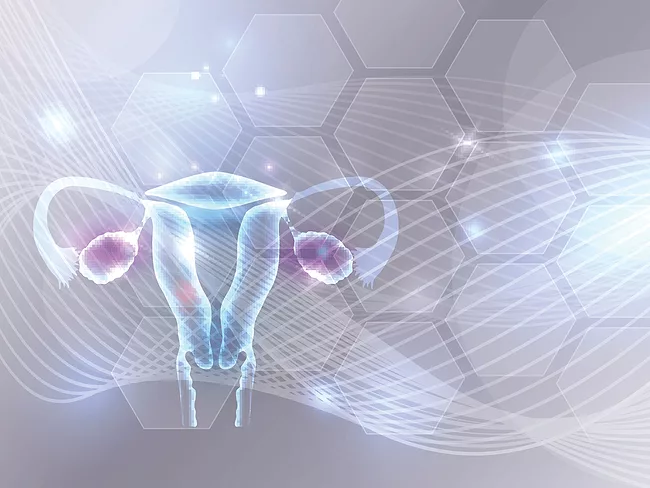
By treating mice with antifibrotic drugs, researchers were able to stave off functional decline of the ovaries. Six weeks of systemic treatment with the antifibrotic pirfenidone, which is approved for the treatment of idiopathic pulmonary fibrosis, in early middle age improved both the morphology and the endocrine function of the animals’ ovaries at 1 year of age.
Immortality and eternal youth have been the stuff of myths and legends from ancient times on. Now, in the 21st century, real studies of current medicine could be applied to repair tissues and organs damaged by age. During the 11th Aging Research & Drug Discovery (ARDD) Meeting held at the University of Copenhagen at the end of August, scientists explained the molecular keys of rejuvenation, as many artists imagined in the past.
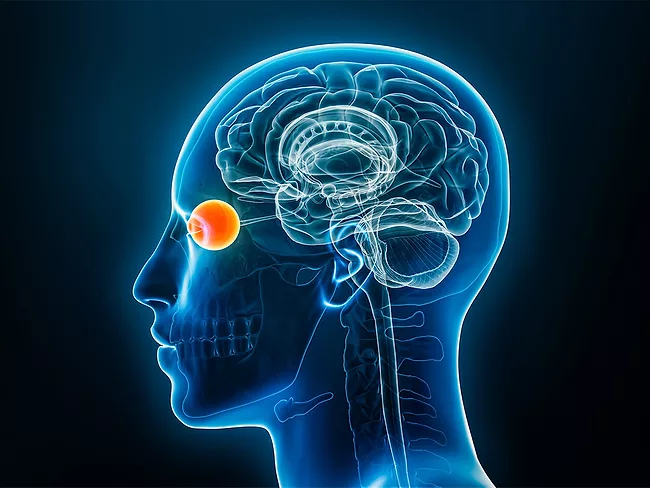
A novel gene therapy that leads to cellular rejuvenation could restore vision after non-arteritic anterior ischemic optic neuropathy (NAION) and glaucoma. The technique is based on a reprogramming process that reverses the epigenetic DNA alterations caused by aging. Preclinical studies in glaucoma mice and nonhuman primates (NHP) models for this stroke-like disorder that affects the eye, showed an improvement of vision and restoration of the damaged axons of the optic nerve.
Technological breakthroughs are changing the biopharmaceutical landscape and forcing regulators to think on their feet and facilitate (not impede) innovation, experts said at the Global Bio Conference (GBC) 2024. “Regulatory speed and agility are necessary amid emergencies to cater to unmet medical needs,” Choong May Ling, CEO of Singapore’s Health Sciences Authority, told audience members in Seoul, South Korea.
Immortality and eternal youth have been the stuff of myths and legends from ancient times on. Now, in the 21st century, real studies of current medicine could be applied to repair tissues and organs damaged by age. During the 11th Aging Research & Drug Discovery (ARDD) Meeting held at the University of Copenhagen at the end of August, scientists explained the molecular keys of rejuvenation, as many artists imagined in the past.
 RSS
RSS