BioWorld. Link to homepage.

Clarivate
  • BioWorld
  • BioWorld MedTech
  • BioWorld Asia
  • BioWorld Science
  • Data Snapshots
    • BioWorld
    • BioWorld MedTech
    • Infographics: Dynamic digital data analysis
    • Index insights
    • NME Digest
  • Special reports
    • Infographics: Dynamic digital data analysis
    • Trump administration impacts
    • Under threat: mRNA vaccine research
    • BioWorld at 35
    • Biopharma M&A scorecard
    • Bioworld 2025 review
    • BioWorld MedTech 2025 review
    • BioWorld Science 2025 review
    • Women's health
    • China's GLP-1 landscape
    • PFA re-energizes afib market
    • China CAR T
    • Alzheimer's disease
    • Coronavirus
    • More reports can be found here

BioWorld. Link to homepage.

  • Sign In
  • Sign Out
  • My Account
Subscribe
BioWorld - Wednesday, January 28, 2026
Home » Topics » Disease categories and therapies » Aging

Aging
Aging RSS Feed RSS

AI-generated illustration showing a brain in an hour glass with most of the sand at the bottom
Aging

Aging, and aging well, gives clues for dementia drug discovery

April 3, 2024
By Anette Breindl
Ironically, the first person to be diagnosed with what is now Alzheimer’s disease was missing its major risk factor. When she first began showing symptoms of dementia in 1901, Auguste Deter was not particularly old. Despite Deter’s case, aging is the largest risk factor for developing Alzheimer’s, by a large margin. But “geroscience has not been translated into drugs for Alzheimer’s disease,” Howard Fillit, Alzheimer’s Drug Discovery Foundation co-founder and chief scientific officer, told BioWorld. “We’re just starting to see that cross-fertilization now.” This first article of a three-part BioWorld series on Alzheimer’s disease looks at how a group of researchers, as well as some startups, are trying to approach Alzheimer’s via an aging lens.
Read More
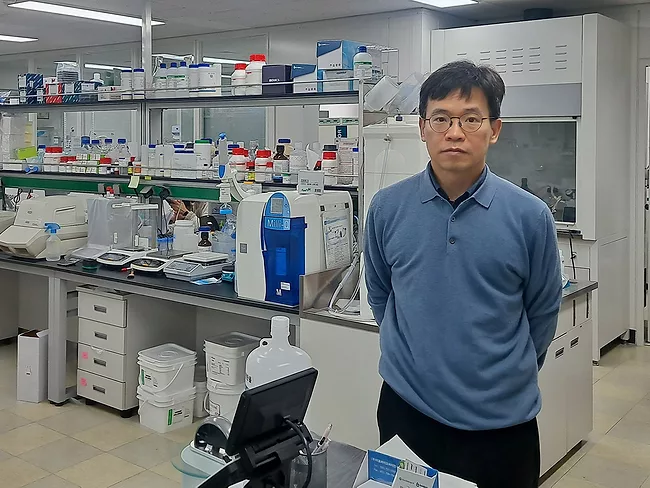
Adel CEO Seung-Yong Yoon at company headquarters in Seoul, South Korea

After amyloid beta, Adel seeks next big target for Alzheimer’s

April 2, 2024
By Marian (YoonJee) Chu
Alzheimer’s disease (AD) is recognized worldwide for its debilitating symptoms of declining cognitive function and gradual memory loss. What remains less clear is exactly what causes the neurodegenerative disease, and how to treat it. “Alzheimer’s disease is characterized by two key pathologies – beta-amyloid plaques and tau neurofibrillary tangles.” Seung-Yong Yoon, CEO of Adel Inc., told BioWorld. “Adel is looking to develop a tau-targeting drug, considering tau has been more correlated with AD symptom progression, and the industry’s need for tau pipelines.”
Read More
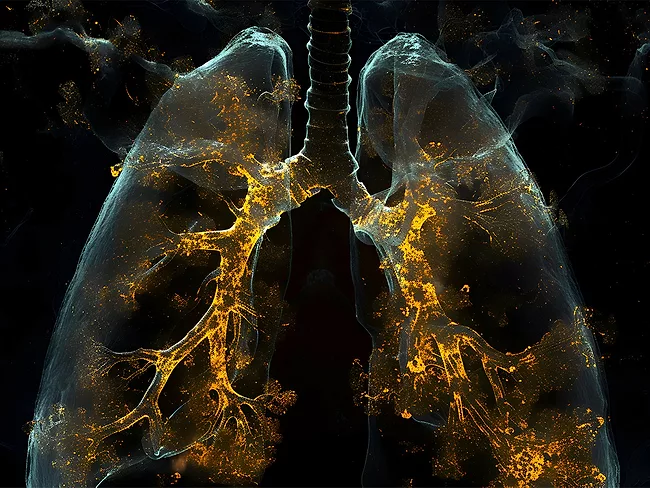
AI-generated image of illustration of MRI of lungs with fibrosis
Respiratory

AI-driven research identifies pulmonary fibrosis target and inhibitor

March 25, 2024
By Mar de Miguel
Deep learning algorithms have enabled the discovery of molecular structures of interest in biomedicine to design treatments against aggressive diseases such as idiopathic pulmonary fibrosis (IPF). Scientists at Insilico Medicine Inc. selected a target for IPF using artificial intelligence (AI), then designed an inhibitor to block it, and tested it in vitro, in vivo, and in clinical trials.
Read More
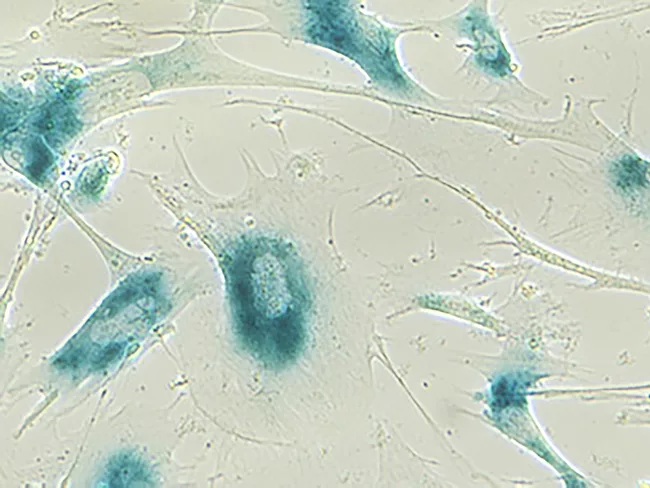
Lab cultures of senescent human lung cells.
Aging

Financing at Senisca to advance senotherapeutics to treat age-related disease

March 18, 2024
Senisca Ltd., a spinout from the University of Exeter, has raised an additional £3.7 million (US$4.7 million) in funding to support the development of RNA-based senotherapeutics to treat age-related disease.
Read More
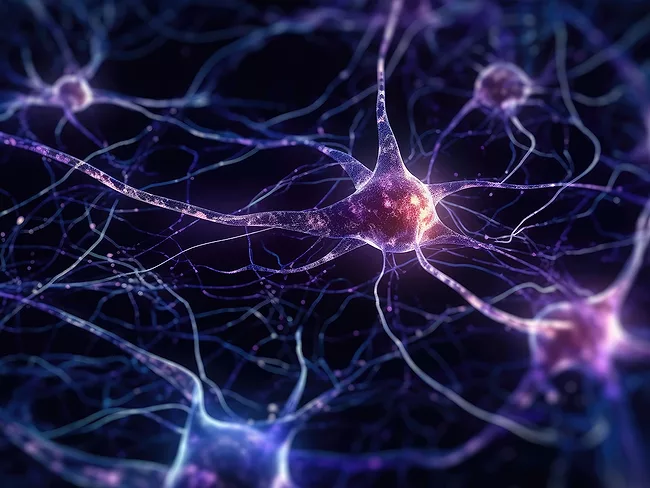
Concept art for "unlocking the secrets of the mind"
Neurology/Psychiatric

AD/PD 2024: Insights into biological processes underlying neuronal dysfunction

March 11, 2024
By Coia Dulsat
The third day of the AD/PD 2024 conference in Lisbon started with a plenary lecture given by Professor Howard Fillit entitled, “Translating the biology of aging into new therapeutics for Alzheimer’s disease.” Fillit, a recognized neuroscientist and geriatrician, and co-founder of the Alzheimer’s Drug Discovery Foundation (ADDF), pointed to the geroscience hypothesis which postulates that targeting aging processes may result in preventive and therapeutic options for diseases of old age, including Alzheimer’s disease (AD).
Read More
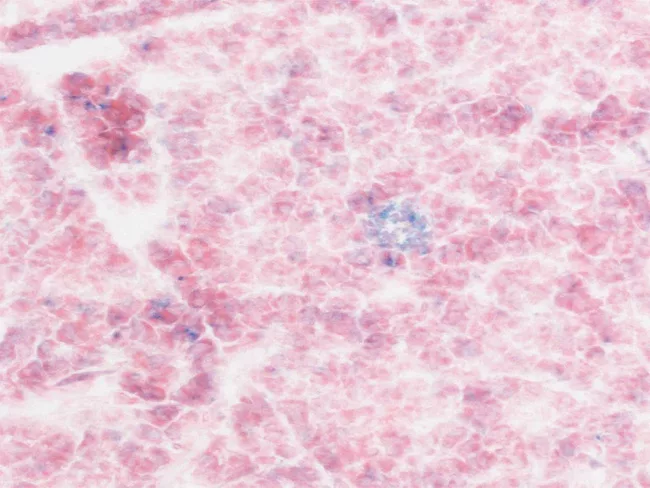
Senescent cells (blue)
Drug Design, Drug Delivery & Technologies

CAR T cells could slow aging by eliminating senescent cells

Jan. 31, 2024
By Mar de Miguel
CAR T cells could be repurposed to target senescent cells and delay the effect of aging. A study by scientists at Cold Spring Harbor Laboratory showed how to design them and demonstrated the advantages of this therapy in mice. “We only gave one dose, and we could have benefits [for] really long periods of time,” lead author Corina Amor told BioWorld.
Read More
DNA double helix with sand hour glass
Cancer

Targeting TXNRD1-cGAS interaction regulates senescence-associated secretory phenotype

Jan. 29, 2024
It has been previously demonstrated that genetic variability of thioredoxin reductase 1 (TXNRD1) is associated with aging and age-associated phenotypes. Researchers from MD Anderson Cancer Center have now conducted work to assess the role of TXNRD1 in regulating tissue aging.
Read More
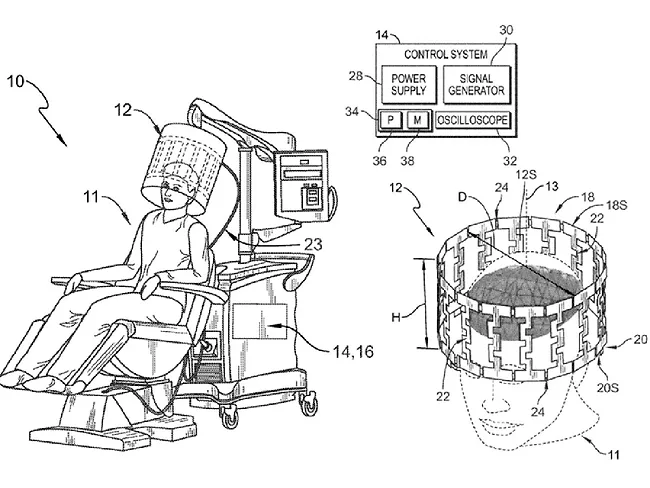
Electromagnetic frequency generation system
Patents

Researchers use electromagnetic field therapy to treat Alzheimer’s

Jan. 16, 2024
By Simon Kerton
Researchers from Indiana University are seeking patent protection for an electromagnetic field (EMF) generation system for treating neurodegenerative diseases. The EMF generation system emulates a small-scale magnetic resonance imaging (MRI) machine, producing the same 64 MHz frequency at a much lower operating power.
Read More
Lab cultures of senescent human lung cells.
Infection

Senolytic therapies suppress long COVID in human organoids, mouse models

Nov. 17, 2023
By Tamra Sami
Researchers from the University of Queensland discovered that senolytic therapies can suppress long-COVID neuropathology and long-term disorders caused by viral infections by reducing senescent cells, thereby reducing inflammation. Published Nov. 13, 2023, in Nature, the study examined the use of human pluripotent stem cells to generate small mini human brain organoids to screen for antiaging interventions called senolytics that selectively eliminate senescent cells that accumulate with age, lead author Julio Aguado told BioWorld.
Read More
Mitochondria illustration
Endocrine/Metabolic

Mitophagy inducer prolongs life and prevents neurodegeneration

Nov. 15, 2023
By Mar de Miguel
A new derivative of coumarin, a natural plant product abundant in cinnamon, could hold the key to healthy aging. Researchers at the Buck Institute have shown that it extended life span and prevented neurodegenerative disease in worms and mice. The drug, a TFEB gene inducer called MIC, promoted mitochondria recycling (mitophagy) but also interacted with lysosomes, which could have multiple applications. The scientists published the results of this aging and mitophagy study on Nov. 13, 2023, in Nature Aging.
Read More
Previous 1 2 … 12 13 14 15 16 17 18 19 20 21 22 23 Next

Popular Stories

  • Today's news in brief

    BioWorld
    BioWorld briefs for Jan 26, 2025.
  • Today's news in brief

    BioWorld MedTech
    BioWorld MedTech briefs for Jan. 27, 2026.
  • DNA mutations or genetic disorder concept art

    Biallelic variants in COX18 identified as cause of Charcot-Marie-Tooth disease

    BioWorld Science

    Charcot-Marie-Tooth (CMT) disease is a group of clinically and genetically heterogeneous sensorimotor peripheral neuropathies. It is the most frequent inherited...

  • Dice spelling out D-E-A-L-?, yes, no

    Muted and missing M&As: JPM deals absent in 2026

    BioWorld
    For years, the J.P. Morgan Healthcare Conference (JPM) kicked off with splashy headlines of major M&A activity among biopharma companies, but in 2026, the hype...
  • Brain with stroke illustration

    Brain-derived tau in blood predicts stroke severity and outcome

    BioWorld Science

    Brain-derived tau, a protein that is exclusive to the brain and detectable in the blood, could serve as an indicator of brain damage after an ischemic stroke. The...

  • BioWorld
    • Today's news
    • Analysis and data insight
    • Clinical
    • Data Snapshots
    • Deals and M&A
    • Financings
    • Newco news
    • Opinion
    • Regulatory
    • Science
  • BioWorld MedTech
    • Today's news
    • Clinical
    • Data Snapshots
    • Deals and M&A
    • Financings
    • Newco news
    • Opinion
    • Regulatory
    • Science
  • BioWorld Asia
    • Today's news
    • Analysis and data insight
    • Australia
    • China
    • Clinical
    • Deals and M&A
    • Financings
    • Newco news
    • Regulatory
    • Science
  • BioWorld Science
    • Today's news
    • Biomarkers
    • Cancer
    • Conferences
    • Endocrine/Metabolic
    • Immune
    • Infection
    • Neurology/Psychiatric
    • NME Digest
    • Patents
  • More
    • About
    • Advertise with BioWorld
    • Archives
    • Article reprints and permissions
    • Contact us
    • Cookie policy
    • Copyright notice
    • Data methodology
    • Infographics: Dynamic digital data analysis
    • Index insights
    • Podcasts
    • Privacy policy
    • Share your news with BioWorld
    • Staff
    • Terms of use
    • Topic alerts
Follow Us

Copyright ©2026. All Rights Reserved. Design, CMS, Hosting & Web Development :: ePublishing