The news that Vinay Prasad has stepped down as CBER director at the U.S. FDA had some biotech stocks literally jumping in joy as the market opened July 30. Meanwhile, Prasad’s decisions regarding vaccine development, as well as actions by Makary and HHS Secretary Robert Kennedy, are coming under fire.
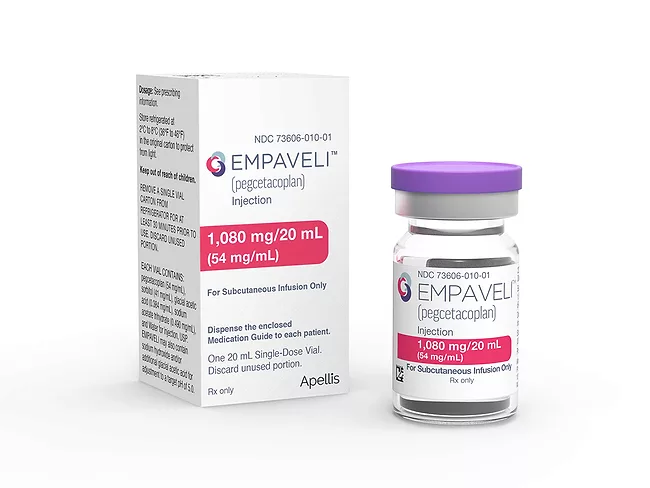
Following a priority review, Apellis Pharmaceuticals Inc. received U.S. FDA approval of a supplemental NDA making pegcetacoplan the second marketed treatment for complement 3 glomerulopathy and the first for primary immune complex membranoproliferative glomerulonephritis.
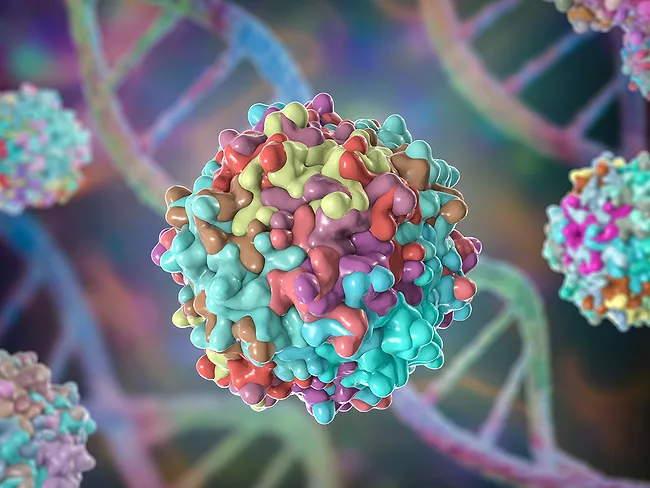
Under a new licensing deal announced July 8, JCR Pharmaceuticals Co. Ltd. granted Alexion Pharmaceuticals Inc. rights to its adeno-associated virus (AAV) capsids for use in up to five of Alexion’s genomic medicines programs.
Manufacturing issues are the latest problem for Ultragenyx Pharmaceutical Inc. to solve after last week’s disappointment in a phase III study to treat brittle bones. The U.S. FDA gave the company a complete response letter (CRL) regarding the BLA for its gene therapy to treat Sanfilippo syndrome type A, saying it needs more details and improvements made about CMC after having finished manufacturing facility inspections.
Capricor Therapeutics Inc. received a complete response letter (CRL) from the U.S. FDA on the BLA for deramiocel to treat cardiomyopathy in Duchenne muscular dystrophy patients. The company’s CEO said the letter was unexpected.
Under a new licensing deal announced July 8, JCR Pharmaceuticals Co. Ltd. granted Alexion Pharmaceuticals Inc. rights to its adeno-associated virus (AAV) capsids for use in up to five of Alexion’s genomic medicines programs.
Representatives of patients’ groups, industry bodies and venture philanthropy funders are calling for a renewal of the U.K. Rare Diseases Framework, to put fresh momentum behind translational research and clinical trials, streamline regulatory oversight and improve access to therapies.
The realignment within the U.S. FDA continued with reports of the removal of two high level executives. When asked by BioWorld if the Center for Biologics Evaluation and Research’s (CBER) Office of Therapeutic Products director and deputy director had been forced out and if so, why, an HHS spokesperson responded on background with a single sentence: “Center directors deserve to be supported by managers that are aligned with aggressive goals to expeditiously advance therapeutics for rare diseases using the gold standard of science.”
Children with solid tumors who relapse are being treated with the same chemotherapy they would have been given 40 years ago, as “there have been no major approvals for pediatric solid tumors,” Catherine Bollard, senior vice president and chief research officer at Children’s National Hospital, said at a June 5 FDA roundtable on cell and gene therapies (CGTs). The problem isn’t the science. Bollard said many groups are working on curative CGTs “for these children who have lost all other hope for survival.” The real gap is that “big pharma doesn’t see the business model because it’s a rare disease,” she added.
Developing a therapy for an ultra-rare condition has its challenges, including finding enough patients for clinical enrollment and convincing regulatory authorities that limited data prove the candidate is safe and effective. For that reason, Stealth Biotherapeutics Inc. has faced numerous roadblocks getting its mitochondria-targeting elamipretide across the finish line for Barth syndrome, a condition that affects about 230 to 250 males worldwide, including fewer than 150 in the U.S.

 RSS
RSS