Barely a year after the U.S. FDA shackled Abeona Therapeutics Inc.’s cell-based gene therapy with a complete response letter, the agency has approved it for treating a rare and genetic skin disease. Zevaskyn (prademagene zamikeracel), for treating wounds in adult and pediatric patients with recessive dystrophic epidermolysis bullosa, will be priced in the U.S. at $3.1 million.
Stealth Biotherapeutics Inc., and, more importantly, patients with Barth syndrome, faced another disappointing delay April 29 when the U.S. FDA kicked its approval decision down the road for Stealth’s elamipretide.
After dropping development in December of its lead program, Spruce Biosciences Inc. has found new life by acquiring a BLA-ready enzyme replacement therapy for the rare genetic neurodegenerative disease Sanfilippo syndrome type B. If approved, the therapy, tralesinidase alfa, could bring Spruce a priority review voucher.
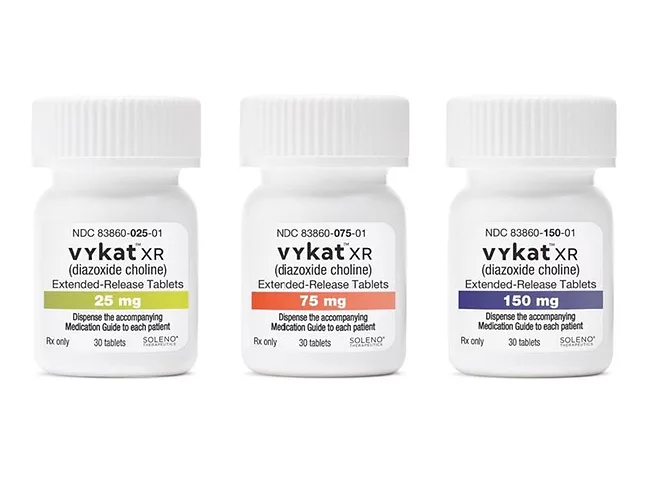
Becoming the first treatment for rare genetic disorder Prader-Willi syndrome, breakthrough therapy drug DCCR (diazoxide choline) gained U.S. FDA approval as Vykat XR the evening before its March 27 PDUFA date, sending shares of developer Soleno Therapeutics Inc. up 38%.
Jazz Pharmaceuticals plc is buying Chimerix Inc. for $8.55 a share in cash, bringing the deal in at about $935 million. Jazz expands its cancer pipeline with the new acquisition’s lead candidate, dordaviprone, a small molecule for treating a rare, aggressive glioma that’s often found in children and young adults.
Whole genome sequencing has substantially accelerated the pace of discovery of genes that cause rare diseases, but while this has brought the diagnostic odyssey of some patients to a conclusion, 50% to 80% remain undiagnosed after initial analysis.
While Spruce Biosciences Inc.’s tildacerfont missed its phase II primary endpoint in classic congenital adrenal hyperplasia (CAH) last March, the U.S. FDA approved Crenessity (crinecerfont) from Neurocrine Biosciences Inc. for treating pediatric and adult CAH patients. The nod could lead the drug to become a blockbuster, analysts said.
Coming on the heels of an advisory committee in which the U.S. FDA and its independent advisers grappled with trying to fit an ultra-rare disease development program into the confines of the agency’s “significant evidence” requirements, an Oct. 16 public meeting on a Rare Disease Innovation Hub the agency is setting up seemed like a welcome step in the right direction for rare disease patients, their caregivers and companies working in the space.
Backed by AI technology, Aigen Sciences Inc. raised ₩12 billion (US$8.8 million) in a series A financing round to further advance its cancer and rare disease drug pipelines.
“This was worse than our national election,” Eric Peterson said as he explained his vote Oct. 10 concluding that Stealth Biotherapeutics Inc.’s elamipretide is effective in treating Barth syndrome, an ultra-rare mitochondrial disease that currently affects 129 males in the U.S. Peterson, a vice provost, senior associate dean and professor at the University of Texas Southwestern Medical Center, was one of 10 members of the U.S. FDA’s Cardiovascular and Renal Drugs Advisory Committee (CRDAC) who came to that conclusion. Six others had a different opinion. Regardless of which way they voted, the panelists attested to how difficult the decision was.
 RSS
RSS