Alexion Pharmaceuticals Inc. has demonstrated the commercial potential for rare disease drugs with its complement inhibitor Soliris (eculizumab) and long-lasting follow-up Ultomiris (ravulizumab) driving blockbuster sales. A host of other companies are hoping to compete with Ultomiris, which is U.S. FDA-approved for paroxysmal nocturnal hemoglobinuria and atypical hemolytic uremic syndrome.
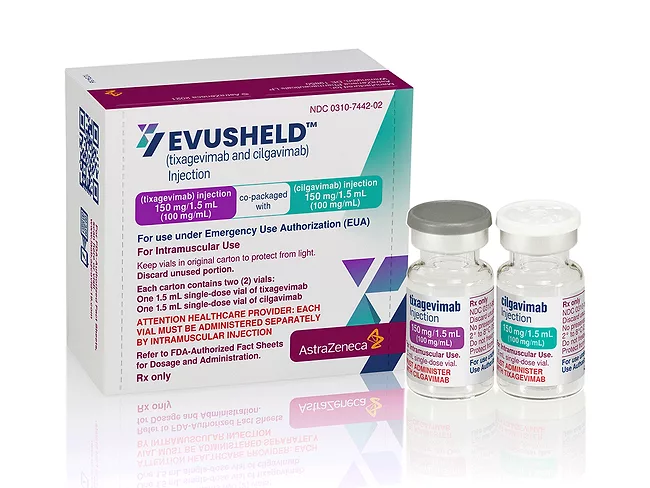
Astrazeneca plc led the handful of firms rolling out COVID-19-related news, as the company said detailed results from the Provent phase III pre-exposure prophylaxis (prevention) trial with Evusheld (tixagevimab and cilgavimab), were published in the New England Journal of Medicine, the “culmination of about 19 months of pretty intensive work,” said Mark Esser, vice president of microbial sciences.
Privately held Orasis Pharmaceuticals Ltd. is a step closer to challenging Abbvie Inc.’s Vuity (pilocarpine hydrochloride) ophthalmic solution for treating presbyopia, a version of farsightedness. Orasis plans to submit an NDA to the U.S. FDA in the second half of the year based on phase III results from two studies showing CSF-1 hit its primary and secondary endpoints.
Windtree Therapeutics Inc.’s positive top-line data from the phase II study called Seismic, testing istaroxime in cardiogenic shock (CS), a form of sudden heart failure (HF), add “a lot of interesting strategies and options” with the compound, also in development for acute HF, said CEO Craig Fraser.
Arcturus Therapeutics Holdings Inc. reported that ARCT-154, its self-amplifying mRNA COVID-19 vaccine, showed efficacy of 55% against infection and 95% efficacy against severe disease, meeting the primary and key secondary endpoints of the ongoing phase I/II/III trial. While the company’s stock (NASDAQ:ARCT) regained much of its initial 25% drop to close the day, investors continue to await further data to determine where Arcturus’ vaccine will fit in with available COVID-19 vaccines.
With phase III data due from Karuna Therapeutics Inc. with its combo Karxt therapy for schizophrenia, interest is rising in the historically difficult space. Karxt pairs xanomeline, a muscarinic receptor agonist that preferentially stimulates M1 and M4 muscarinic receptors, with trospium, an approved muscarinic receptor antagonist that does not measurably cross the blood-brain barrier, confining its effects to peripheral tissues.
A week before the U.S. FDA’s Oncologic Drugs Advisory Committee was to meet and review TG Therapeutics Inc.’s BLA and sNDA for the combo of ublituximab and Ukoniq (umbralisib) for treating chronic lymphocytic leukemia and small lymphocytic lymphoma, the company voluntarily withdrew the submission and now is rethinking its oncology programs. The move was tied to an FDA-requested analysis of phase III data showing that, while study met its primary endpoint, there was an imbalance in updated overall survival (OS) results favoring the control arm. A June 25 PDUFA date had been set for the combination treatment.
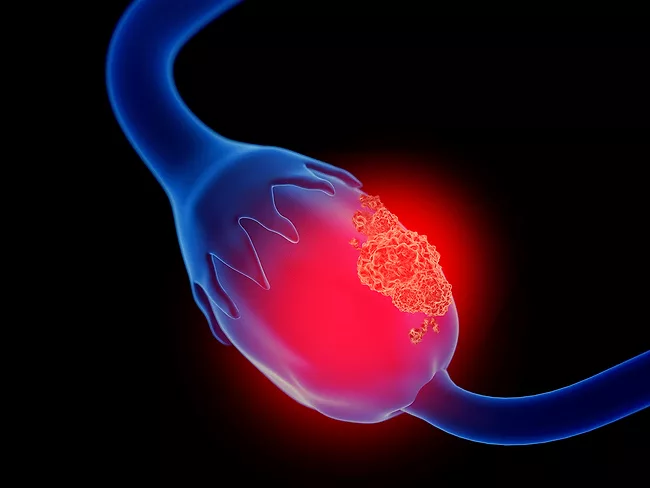
As Wall Street awaits data from VBL Therapeutics Inc.’s phase III trial with ofranergene obadenovec (ofra-vec, also known as VB-111) in platinum-resistant ovarian cancer (PROC), the company hosted a key opinion leader conference call on the gene therapy’s likely market reception along with assorted details regarding the upcoming results from the 409-patient experiment known as Oval.
The potential €100 million (US$114 million) deal disclosed Feb. 10 between infectious disease specialist Aicuris Anti-infective Cures AG and Hybridize Therapeutics for a BK virus therapy stimulated interest in the space, where a number of players are seeking a treatment. None exists today.
China’s Ministry of Science and Technology issued a draft rule on regulations governing sharing of human genetic resources that provides clarity on parts of the regulation that were previously ambiguous, Katherine Wang, partner at Ropes & Gray in Shanghai, told BioWorld.

 RSS
RSS