Major depressive disorder (MDD) notched another late-stage failure in the form of Neumora Therapeutics Inc.’s data from the phase III Koastal-1 study, the first of three replicant trials in the pivotal program testing kappa opioid receptor antagonist navacaprant.
Intriguing scientific data continue to roll out in the head and neck cancer space, where the need for therapies has spurred a number of drug firms to try new approaches, which BioWorld examines in part two of a series that began in the Dec. 30 issue.
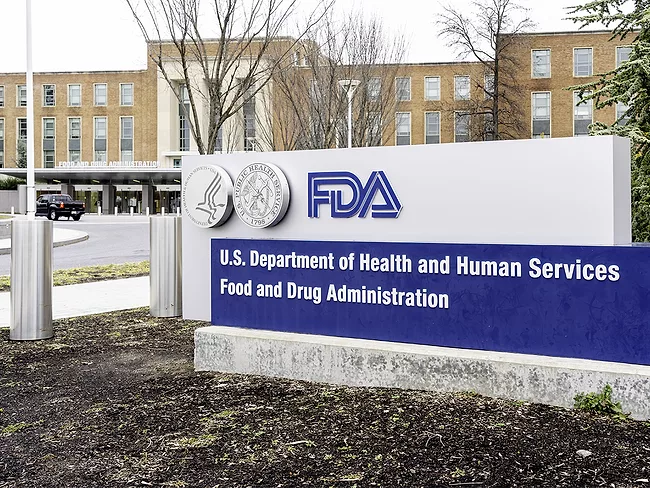
The U.S. FDA’s draft guidance for reporting of deviations from clinical study protocols lends some insight as to the definition of a deviation, but the agency highlights some concerns about related compliance activities.
Though Pyxis Oncology Inc.’s preliminary phase I data with antibody-drug conjugate (ADC) PYX-201 in solid tumors were characterized as positive, findings sent the Boston-based firm’s stock (NASDAQ:PYXS) into a tailspin. Shares dropped from $3.82 to $2.01 between Nov. 20 and the morning of Nov. 21, even as experts along with Wall Street agreed that the compound shows particular promise in head and neck squamous cell carcinoma – a space where developers aplenty remain busy.
In November 2024, BioWorld tracked 180 clinical trial updates, down from 219 in October and 252 in September but up from 92 in August. The month included 13 successful phase III outcomes and five trial failures.
SK Bioscience Co. Ltd. won €50 million (₩75.5 billion, US$52.03 million) up front from Sanofi SA to expand an earlier agreement to develop and commercialize novel pneumococcal conjugate vaccines (PCVs). The first deal resulted in GBP-410 (SP-0202), its pediatric 21-valent PCV candidate that moved into phase III study last week.
China's National Medical Products Administration (NMPA) approved Innovent Biologics Inc.’s NDA for Dovbleron (taletrectinib), a next-generation ROS1 tyrosine kinase inhibitor (TKI), for treating adults with locally advanced or metastatic ROS1-positive non-small cell lung cancer (NSCLC) who have been previously treated with ROS1 TKIs.
Shares in Zealand Pharma A/S (CO:ZEAL) dropped 22.4% to as low as DKK587 (US$82.16) on Dec. 20, after the U.S. FDA issued a complete response letter (CRL) for glepaglutide in the treatment of short bowel syndrome.
Clinical data reported by a handful of biopharmas on Dec. 19 sent stocks soaring or plunging, as company leaders laid out next-step plans. Investors showed enthusiasm for Omeros Corp.’s narsoplimab to treat hematopoietic stem cell-transplant-associated thrombotic microangiopathy (TA-TMA), and Roche AG’s Parkinson’s prospect prasinezumab, which is partnered with Prothena Corp. plc.
Investors will get more details during the International Lewy Body Dementia Conference in Amsterdam late next month, but Wall Street is already buzzing about Cognition Therapeutics Inc.’s data from the phase II study with CT-1812 in dementia with Lewy bodies.

 RSS
RSS