Venture capitalists in China are adopting different models to quickly create value from biopharma companies and are able to exit much faster than their U.S counterparts, new data suggest.
Business development among biopharmaceutical companies working on therapeutics for cancer indications has been brisk this year, with 32% of the 654 deals recorded to date by BioWorld involving cancer indications. However public companies in the area haven’t gained much investor enthusiasm, with the BioWorld Cancer index dropping over 18% year-to-date, with 6% of the loss in valuation taking place this month.
Biopharma startups seeking a mix of financial, strategic and operational support gained a new option May 12 with the announcement of Perceptive Xontogeny Venture Fund II from Perceptive Advisors LLC. The fund, expected to lead series A financings in the range of $20 million to $40 million closed with $515 million in capital commitments. It's led by portfolio manager and CEO Chris Garabedian, who also serves as chairman and CEO of Xontogeny LLC, a Boston-based accelerator.
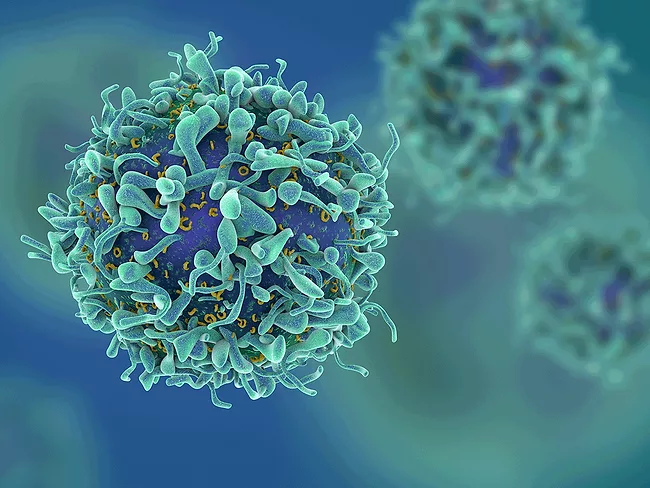
Appia Bio Inc. raised $52 million in a series A funding round to bring forward a novel take on allogeneic cell therapy for cancer, based on a rare lymphocyte population, invariant natural killer T (iNKT) cells, which exhibit aspects of both NK cell and T-cell biology.
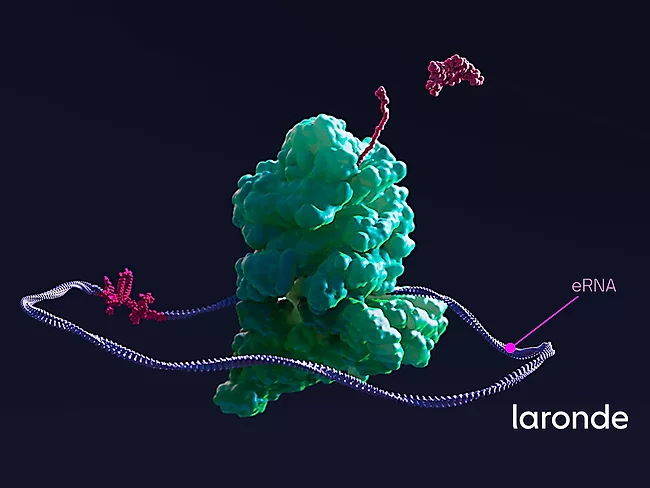
Flagship Pioneering, the company-creating venture fund that launched Moderna Inc. in 2012, is betting $50 million on a new twist in RNA-focused development at Laronde Inc. Leveraging its explorations of the therapeutic applicability of long non-coding RNA, Flagship CEO Noubar Afeyan said the company has created Endless RNA (eRNA), "a new class of medicines that can be programmed to persistently express therapeutic proteins in the body, at tunable levels."
China saw $28.5 billion invested in its life sciences sector in 2020, which was double the previous year’s amount and sets a five-year high. Partnering activities and IPOs also grew exponentially over the last five years to set records.
LONDON – Abingworth announced the final closing of its latest fund at $582 million, bringing the amount committed to the London-based venture capital firm in 2021 to more than $1 billion. The clinical co-development fund 2 will finance and manage late-stage development of phase III programs sourced from pharma and biotech companies, receiving a pre-negotiated fee when a drug is approved. The model obviously has appeal, with the new fund being significantly oversubscribed and exceeding its target of $350 million.

 RSS
RSS