Absent extraordinary circumstances, the Patent Trial and Appeal Board “should never cancel claims it has not determined to be unpatentable as a sanction” for misconduct during a board proceeding, according to the acting director of the U.S. Patent and Trademark Office (USPTO).
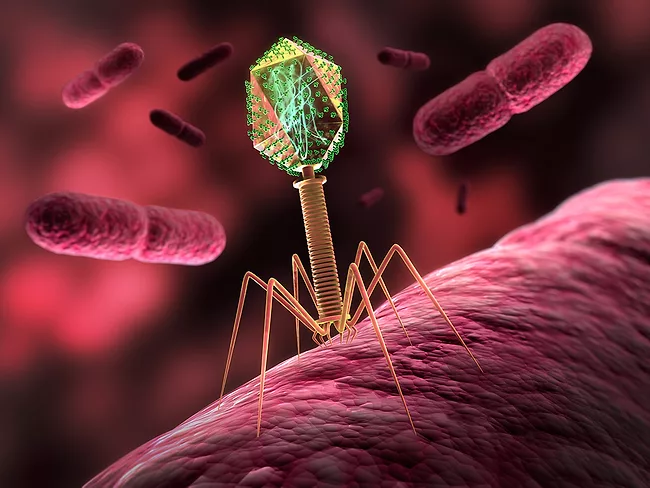
The U.K. Medicines and Healthcare products Regulatory Agency (MHRA) has issued its first official guidance on how to develop bacteriophages as licensed medicinal products. This covers personalized phage therapies designed for specific patients – at present the only form in which they are available – but also is relevant to the development of off-the-shelf products for treating common infections.
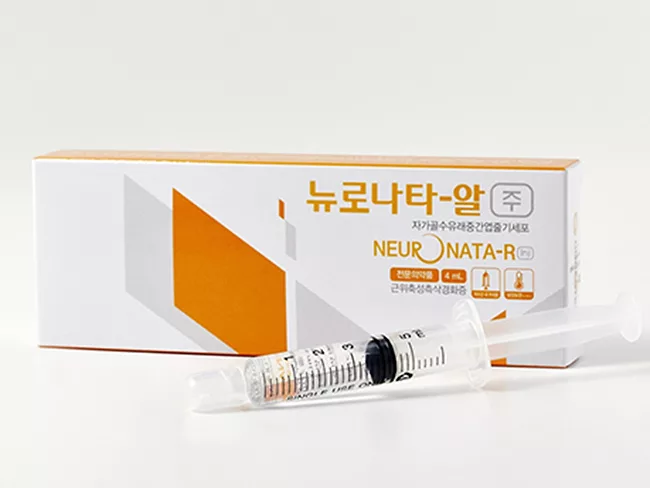
Corestemchemon Inc. is planning to file a BLA for Neuronata-R (lenzumestrocel) by the end of 2025 to gain accelerated approval from the U.S. FDA, company officials confirmed to BioWorld during a June 2 interview. Neuronata-R is an autologous bone marrow-derived mesenchymal stem cell therapy that first gained approval in South Korea in 2014 to delay the progression of amyotrophic lateral sclerosis (ALS), a progressive neurodegenerative disorder also known as Lou Gehrig’s disease.
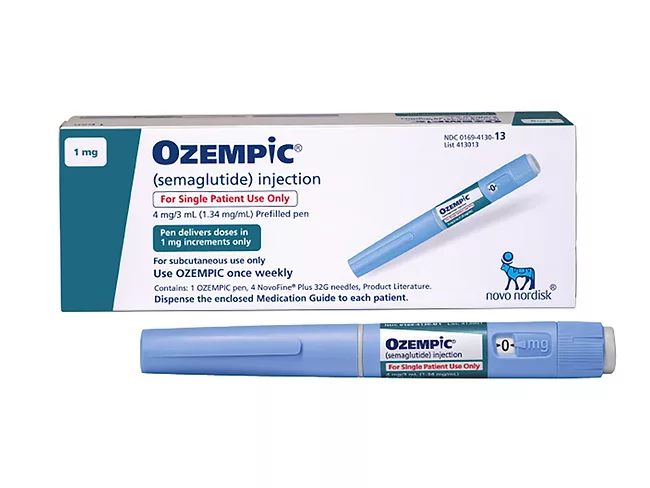
The EMA’s safety committee has issued a warning that the GLP-1 receptor agonist Ozempic (semaglutide, Novo Nordisk A/S) can cause an acute eye condition in which the optic nerve is damaged by a sudden loss of blood supply. After reviewing several large epidemiological studies, clinical trial and in-market data, EMA’s Pharmacovigilance Risk Assessment Committee has concluded non-anterior ischemic optic neuropathy is a “very rare” side effect of Ozempic, that “may affect up to one in 10,000 people taking semaglutide.
Children with solid tumors who relapse are being treated with the same chemotherapy they would have been given 40 years ago, as “there have been no major approvals for pediatric solid tumors,” Catherine Bollard, senior vice president and chief research officer at Children’s National Hospital, said at a June 5 FDA roundtable on cell and gene therapies (CGTs). The problem isn’t the science. Bollard said many groups are working on curative CGTs “for these children who have lost all other hope for survival.” The real gap is that “big pharma doesn’t see the business model because it’s a rare disease,” she added.
The EMA has issued a new guideline on how to include and/or retain pregnant and breastfeeding women in clinical trials, in a move that it says “marks a change in the paradigm.” The aim is to ensure that trial sponsors generate robust clinical data in these populations.
The U.S. FDA gave Sarepta Therapeutics Inc.’s rAAVrh74 viral vector, used in an investigational gene therapy for the treatment of limb-girdle muscular dystrophy, a step up, making it one of the first platforms to receive the agency’s platform technology designation.
South Korea’s pharmaceutical exports rose nearly 18% year-on-year to reach $2.56 billion in the first quarter (Q1) this year, according to the Korea Health Industry Development Institute. Medical device exports, however, dropped about 5% in Q1 2025 to $1.39 billion, attributed to a drop in trade of implant products to both China and the U.S.
Moderna Inc. once again emerged the winner in a court skirmish over claims that its COVID-19 vaccine infringed two Alnylam Pharmaceuticals Inc. patents. The U.S. Court of Appeals for the Federal Circuit issued a precedential opinion May 4, agreeing with a federal district court in Delaware that Moderna didn’t infringe the patents. For both courts, the decision was based on a single issue of claim construction.
The row between pharma companies and the U.K. government over rebates has intensified, with the Association of the British Pharmaceutical Industry calling up its members to speak on the record, as it ramps up the campaign against paying back over 23% on sales of branded drugs.

 RSS
RSS