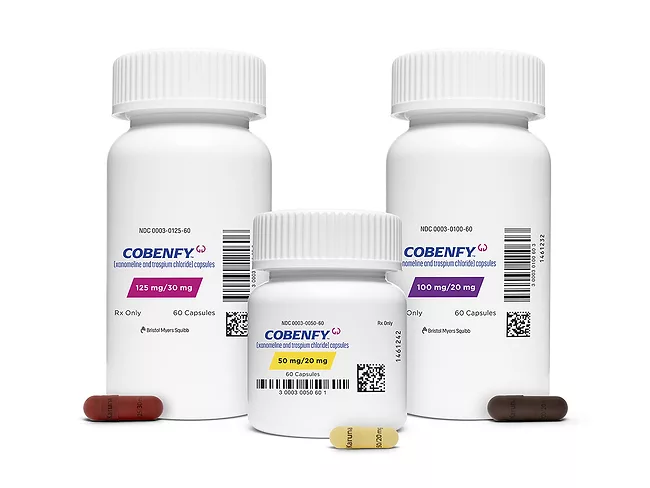
Drug developers big and small are pursuing a solution for the curse of psychosis that occurs along with the already tragic diagnosis of Alzheimer’s disease, an affliction known as ADP.
A little over a week after announcing that the Evoke and Evoke+ studies failed to show that oral semaglutide could slow cognition decline in patients with Alzheimer’s disease, investors and researchers got the first look at the actual data from the studies, which were presented at the Clinical Trials on Alzheimer’s Disease 2025 meeting.
Disorganization resulting from last-minute changes to voting questions involving new recommendations for hepatitis B virus vaccines created a moment of déjà vu Dec. 4 when the CDC’s Advisory Committee for Immunization Practices (ACIP) voted 6-3 to once again delay its votes on whether the current recommended birth dose should be pushed back.
On Dec. 2, 2025, the FDA released draft guidance that could reduce the use of nonhuman primates (NHPs) in preclinical testing of monoclonal antibodies. According to the guidance, which the FDA released for the purpose of soliciting comments, “In general, studies longer than 3 months in nonrodent species (e.g., NHPs, dogs, and mini-pigs) are not warranted to evaluate toxicities … when data from 3-month studies are supplemented with a weight-of-evidence (WoE) risk assessment.”
Regulatory snapshots, including global drug submissions and approvals, and other regulatory decisions and designations: Amneal, Arrowhead, Astrazeneca, Biofrontera, Birchbiomed, Cosmo, Glenmark, Ionis, Nrx, Samsung Bioepsis, Sangamo.
Biopharma happenings, including deals and partnerships, and other news in brief: Astrazeneca, Atossa, Creative Medical, Daiichi, Insilico, Oncotelic, Pfizer, Scisparc, Seagen, Tiziana.
 RSS
RSS