U.S. policy, China’s strategic rise, blockbuster deals and AI dominated South Korea’s biotechnology industry this year, with U.S. tariffs and the Biosecure Act’s hitch onto 2026 legislation serving as major topics of speculation.
BioWorld logged 170 clinical trial updates across phases I through III in November 2025, a decline from 252 updates in October and 230 in September, but higher than the 95 reported in August.
China’s National Medical Products Administration approved Innovent Biologics Inc.’s NDA for Tabosun (ipilimumab N01, IBI-310) in combination with sintilimab as neoadjuvant treatment for stage IIB-III resectable microsatellite instability-high or mismatch repair deficient colon cancer.
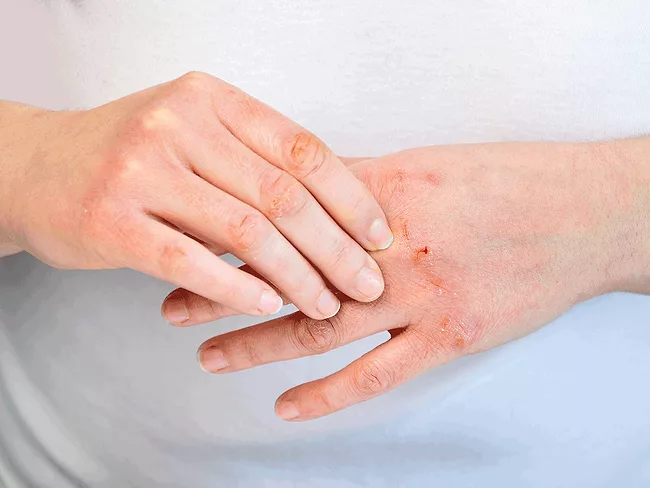
The strategy of taking aim at IL-4Ra (type I and II receptors) and IL-31 by way of a bispecific antibody in atopic dermatitis (AD) has not worked out as well as Johnson & Johnson (J&J) hoped when, last May, the firm paid $1.25 billion to bring the product aboard by acquiring Yellow Jersey Therapeutics, a wholly owned subsidiary of Numab Therapeutics AG.
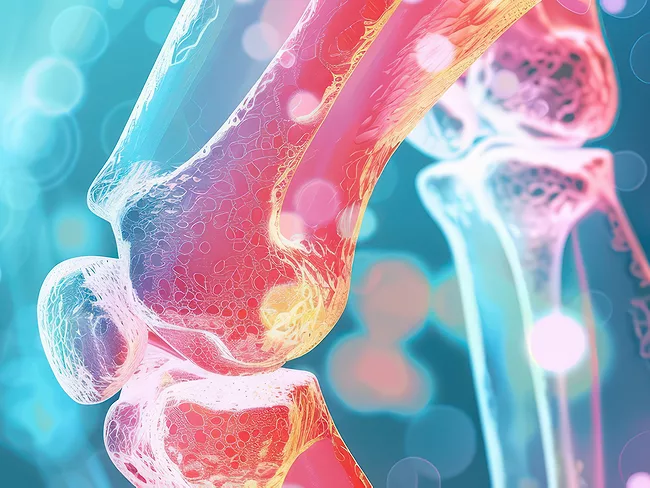
Two phase III studies of setrusumab, Orbit and Cosmic, for treating brittle bones have failed and left the developers floundering on Wall Street. Neither of Ultragenyx Pharmaceutical Inc. and Mereo Biopharma Group plc’s studies of the monoclonal antibody in treating osteogenesis imperfecta hit statistical significance in their primary endpoints, though they did achieve their secondary endpoints. The companies are still looking at the numbers to determine their next steps.

 RSS
RSS