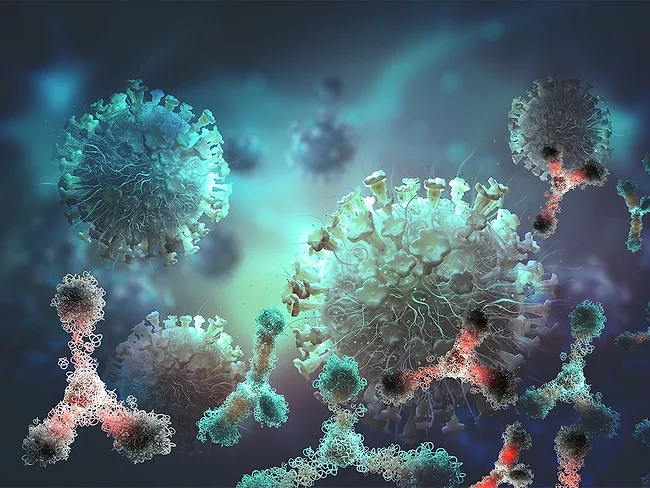
Recent findings are reshaping current understanding of the post-infection landscape of SARS-CoV-2. Although previous studies had already suggested that autoimmunity might underlie the persistent neurological symptoms seen in long COVID, researchers at Yale University and Mount Sinai now reinforce this hypothesis. SARS-CoV-2 infection appears to trigger an autoimmune mechanism that drives chronic pain, fatigue and cognitive impairment in some patients.
With a historic WHO resolution adopted this week giving countries, for the first time, a mandate to address liver disease affecting 1.5 billion people worldwide, this momentum is strongly reflected at the ongoing European Association for the Study of the Liver 2026 congress in Barcelona. The mandate positions liver disease alongside cancer, cardiovascular disease and diabetes as a core global health priority.
Regulatory snapshots for biopharma and med tech, including global submissions and approvals, and other regulatory decisions and designations: Autobahn, Cornerstone, Dyne, Gilead, H. Lundbeck, Microbot, Outlook, Pfizer, Pharming, Spectral, Toby.
Biopharma and med-tech happenings, including deals and partnerships, and other news in brief: 28bio, Adcedno, Aim Medical, Biocytogen, Biomunex, Bioprotect, Cgbio, Co-Diagnostics, Cosara, Depuy, Dexcom, Gordion, Human Life Foundation Models, Human Longevity, Insilico, Jiangxi Kvvit, Merck, Merz, Minmaxmedical, Olympus, Oncopeptides, Saga, Salus, Siemens, Tangramed, Vialase.
Clinical updates for biopharma and med tech, including data readouts and publications: Abivax, Biohaven, Bionano, Corbus, Eli Lilly, Gain, Genprex, Hologic, Kura, LIB, Nervgen, Renovorx, Sun, Virax.
Biopharma and med-tech companies raising money in public or private financings, including: Biostem, Cartesian, Editas, Hanchorbio, Kane, Mindmaze, Nanobiotix, Rani.
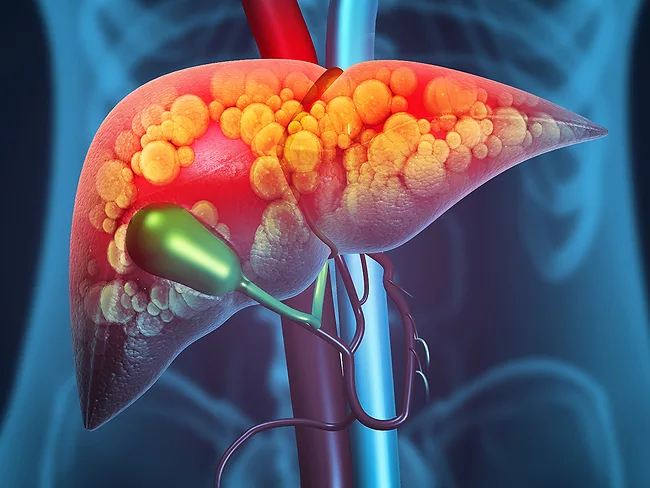
D&D Pharmatech Inc. announced May 27 positive top-line tissue biopsy results of zabopegdutide (DD-01) from a 48-week phase II study of metabolic dysfunction-associated steatohepatitis (MASH), pushing company shares up 30% on the day.
On the heels of the multibillion-dollar licensing deal between Bristol Myers Squibb Co. and Jiangsu Hengrui Pharmaceuticals Co. Ltd., Chairman John Moolenaar (R-MI), of the House Select Committee on the Chinese Communist Party, sent a letter to Treasury Secretary Scott Bessent urging him to add biotechnology as a prohibited technology under the Comprehensive Outbound Investment National Security (COINS) Act of 2025.
There are initial signs that President Donald Trump’s most-favored nation (MFN) policy may be further delaying access to new drugs in Europe, as companies hold off commercializing in these countries to avoid lower European prices being referenced in the U.S.
 RSS
RSS