Regulatory snapshots, including global drug submissions and approvals, clinical trial approvals and other regulatory decisions and designations: Hibercell, Merck & Co., Omeros, Pfizer, Telix, Up.
Currently, cancer therapy trial-and-error methodology is inefficient and unsustainable. Oncology is the worst therapeutic area for drug trial success; only 3.4% of drugs that enter phase I end up being FDA approved, and 57% fail due to poor drug efficacy in trials. Building tools that may aid in predicting an individual’s response to a specific therapy may help in reducing costs, guesswork, and importantly improve the outcome of patients and accelerate new drug development.
For a company that was running out of money, a missed phase III endpoint for its only development product knelled a death blow for Marinus Pharmaceuticals Inc., tanking its stock by 82%. The Radnor, Pa.-based company will no longer develop oral ganaxolone for seizures associated with tuberous sclerosis complex, or for any other indication, as it reduces its workforce and explores strategic alternatives.
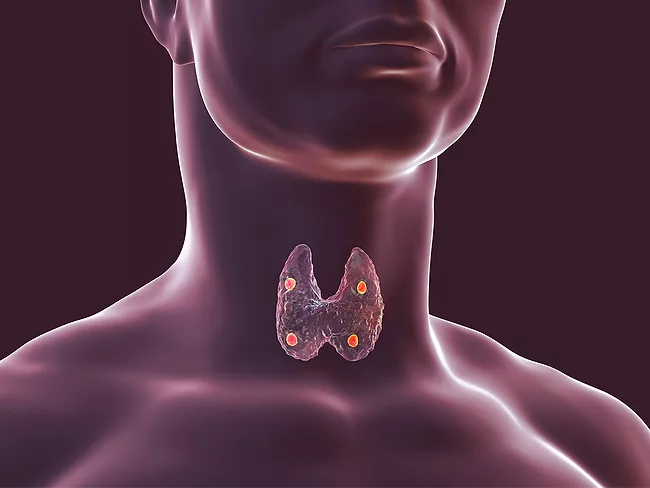
The approval of Ascendis Pharma A/S’ hormone replacement therapy Yorvipath (palopegteriparatide) hypoparathyroidism – the first and only treatment for adults with the rare endocrine disease – did little to sate the market’s appetite for new drugs in the indication, where a number of players are busy in various stages of development.
Biopharma deals and M&A activity in 2024 continued to surge past the last two years, with deal value in the first three quarters jumping 14.5% year-over-year. The total climbed from $130.38 billion through 3Q23 to an impressive $149.24 billion so far in 2024, the highest value in the first nine months of a year, according to BioWorld’s records. Q3 alone saw $49.81 billion in deals, following a strong Q2 at $55.26 billion. Meanwhile, M&As skyrocketed 75.5% in 2024, hitting $98.02 billion, up from $55.82 billion during the first nine months of last year.
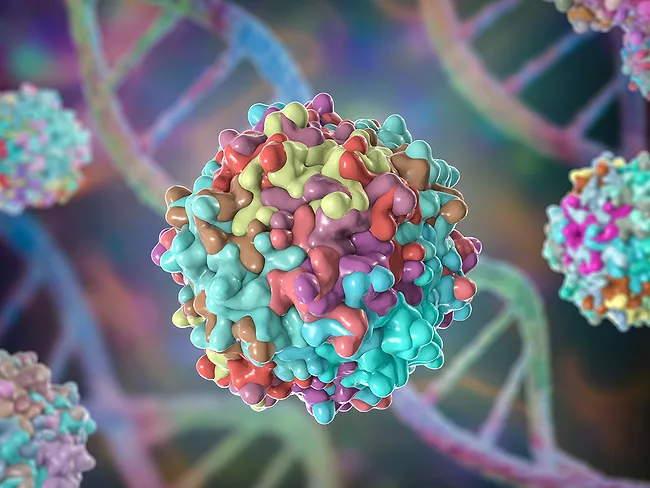
Privately held Dyno Therapeutics Inc. has added another notch to its adeno-associated virus (AAV) vectors development portfolio in a deal with the Roche Group that includes $50 million up front and ultimately could top $1 billion. Dyno will help in developing next-generation AAV vectors, optimized by artificial intelligence, to target neurological diseases.
Hope Medicine Inc. reported positive interim results for monoclonal antibody HMI-115 in a phase II endometriosis trial that saw the mean non-menstrual pelvic pain score reduced by 50%. “HMI-115 is a prolactin receptor blocker, and we're using it to treat endometriosis and some other diseases. It is a first-in-class new mechanism to treat endometriosis,” Hope Medicine CEO Nathan Chen told BioWorld.
Regulatory snapshots, including global drug submissions and approvals, clinical trial approvals and other regulatory decisions and designations: DBV, Eli Lilly, Janssen, Pfizer, SK Bioscience, Vivus.
Biopharma happenings, including deals and partnerships, grants, preclinical data and other news in brief: BMS, Duhn, Exesalibero, Evotec, Lumos, Ocuphire, Om, Redwire.

 RSS
RSS