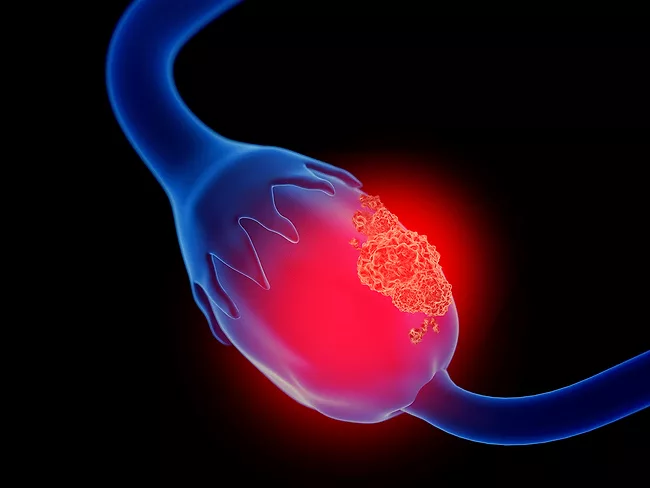
With fresh phase II ovarian cancer data in hand, Verastem Oncology Inc. plans to file an NDA by the end of the month for its avutometinib and defactinib combination treatment. The NDA will be for adults who have recurrent KRAS mutant recurrent low-grade serous ovarian cancer, a direction that may have caused the stock to wilt.
Wall Street promptly began trying to weigh the compound’s marketplace odds after Merck & Co. Inc. detailed positive data from the phase IIb/III trial known as MK-1654-004 with clesrovimab, an investigational prophylactic monoclonal antibody designed to protect infants from respiratory syncytial virus (RSV) disease during their first RSV season. The results, plus interim findings from the ongoing phase III experiment dubbed MK-1654-007 were offered during IDWeek 2024 in Los Angeles.
The U.S. FDA approved 23 drugs in September, up from 22 in August and 17 in July, bringing the 2024 monthly average to nearly 20. This surpasses last year's 16 per month, 12.5 in 2022, and 17 per month in both 2021 and 2020.
Regulatory snapshots, including global drug submissions and approvals, clinical trial approvals and other regulatory decisions and designations: Abbvie, Acadia, Avadel, Biogen, CSL Vifor, Eisai, Intercept, Limmatech, Travere, Valneva.
Biopharma happenings, including deals and partnerships, grants, preclinical data and other news in brief: Avacta, Cerus, Concentra, Eterna, Factor, Kezar, Lexicon, Orano Med, Poseida, Radiomedix, Roche, Sage, Sanofi, Viatris.
U.S. biotechs and regulators ushered in the era of gene therapy in 2023, experts at Bio Japan said, but medical reform is needed to pave the way for the “year of cell therapy” in 2024 and implement wider access to ultra-expensive cell and gene therapies.
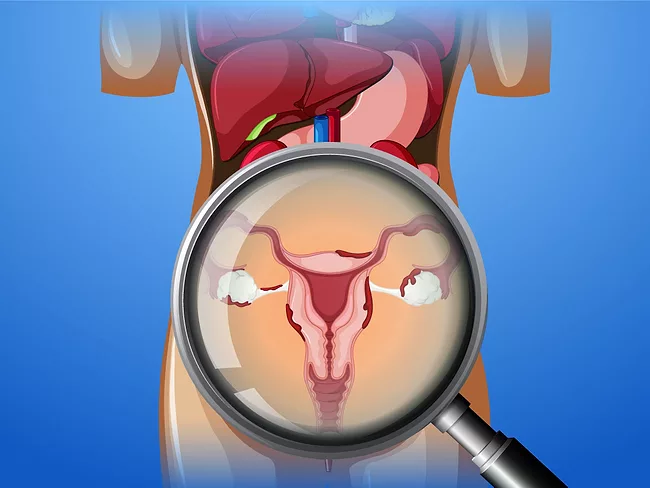
According to World Health Organization data, endometriosis affects about 10% of reproductive-age females globally. That already makes endometriosis a wildly underresearched and underfunded disease in relation to its prevalence. Plus, Rama Kommagani thinks even 10% is an underestimation. “Diagnosis is very underreported, particularly in low- and middle-income countries,” Kommagani, who is an associate professor of pathology at Baylor College of Medicine, told BioWorld.
 RSS
RSS