A threat is currently hanging over the Swiss medical device industry, which is heavily reliant on trade with the EU. Upcoming changes to the CE marking regime will have the effect of making the mutual recognition agreement (MRA) obsolete. This currently allows Switzerland to enjoy unrestricted access to the medical device market in the 27 member states. Up until now, this bilateral agreement has regulated trade between Switzerland and the EU.
The latest global regulatory news, changes and updates affecting medical devices and technologies, including: FCC says no need to revisit telehealth grants; NICE updates sphere usage for hepatocellular carcinoma; Health Canada: Docs, nurses not needed for workplace testing.
Regulatory snapshots, including global submissions and approvals, clinical trial approvals and other regulatory decisions and designations: Abbott, Crown Aesthetics, Donisi, Eyeyon Medical.
In the debate over the interpretation of the U.S. government’s patent march-in rights under the Bayh-Dole Act, those arguing for march-in as a price control cite the billions of tax dollars being invested in scientific research at universities that may lead to marketable inventions.
PERTH, Australia – Australia’s TGA issued final guidance on clinical evidence requirements for medical devices in response to updated regulations that have resulted in changes to evidence requirements. Clinical evidence is required for all medical devices and in vitro diagnostics (IVDs) that are listed on the Australian Register of Therapeutic Goods (ARTG). The clinical evidence requirements apply when a device is first listed as well as over the lifecycle of the device. If safety issues are identified, the TGA may ask manufacturers to update clinical information to more accurately reflect risk.
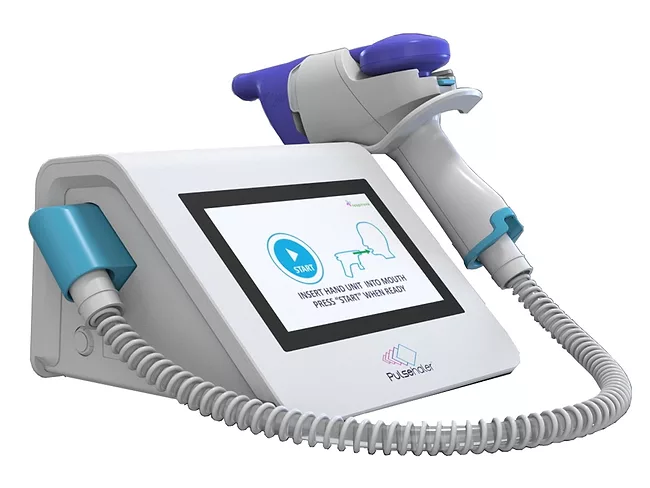
The management team at Respinova Ltd. is breathing easier with the FDA's 510(k) clearance of the company's Pulsehaler. Using pulsed air pressure, the device opens airways and clears secretions in patients with respiratory diseases. The clearance represents the device’s first endorsement by a regulatory agency, though the company hopes it will soon be joined by others.
The shortage of hearts for transplant is a matter of record for both cardiologists and patients, a problem that Transmedics Inc. proposed to solve with its Organ Care System (OCS). Despite several significant issues associated with the pivotal clinical study for the OCS, Transmedics snared a 12-5 vote that the benefits of the system outweigh the risks, an outcome that may bring at least some relief for heart transplant patients by mid-year if analyst expectations are on target.
The latest global regulatory news, changes and updates affecting medical devices and technologies, including: FDA hits company for deviations from drug, device GMPs; Stryker undertakes correction for AEDs; MHRA: Creams, ointments may interfere with CGM function; NICE says liver perfusion suffers for want of evidence of efficacy; NIAID testing vaccine allergy hypothesis; EC provides emergency funding for COVID-19 research; Medtronic splits Ninth Appeals’ review of lower court decision; Industry, docs push back on prior authorization.
Regulatory snapshots, including global submissions and approvals, clinical trial approvals and other regulatory decisions and designations: Bausch + Lomb, Chemence Medical, Nuvasive, Vitro Biopharma.
Device reprocessing has intermittently prompted FDA action in an effort to tamp down on infection-driven adverse events for various types of endoscopes, and the latest spate of events involves endoscopes used in urological applications. While the three associated fatalities all took place outside the U.S., the FDA nonetheless indicated that it is considering the possibility that a device redesign is in order, a move the agency endorsed in connection with infections blamed on duodenoscopes.
 RSS
RSS