Leica Biosystems GmbH, agreed to buy Statlab Medical Products in a move that will strengthen parent company Danaher Corp.'s diagnostics and anatomical pathology portfolio with a broader range of consumables and instruments. Although the financial terms were not disclosed, RBC Capital Markets analyst Dan Leonard reckoned that the deal could be valued at more than $1 billion.
Abbott Laboratories raised its full-year 2026 adjusted diluted adjusted earnings per share guidance to $5.45 to $5.60, from previous range of $5.38 to $5.58, after a strong performance in the second quarter. Growth was driven by its medical devices business and cancer diagnostic unit.
Citing the significant advancements made in lab testing technologies since the Clinical Laboratory Improvement Amendments (CLIA) were enacted nearly 40 years ago, the U.S. CDC and Center for Medicare and Medicaid Services are considering updating the regulations to reflect today’s technology.
Two med-tech companies agreed to settlements with the U.S. government to resolve False Claims Act (FCA) allegations that they submitted Medicare claims for medically unnecessary testing and devices.
There is no doubt that investment into women’s health is increasing. According to a new report by W Group, in 2025, $1.55 billion in disclosed equity was raised by 85 women’s health companies, across more than 30 countries. However, challenges remain.
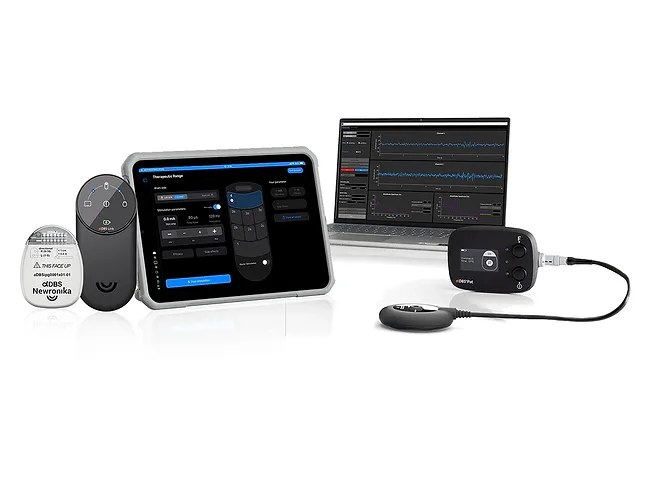
Newronika SpA received CE mark certification for its latest adaptive deep brain stimulation (aDBS) system, which includes the integration of Webbiobank, its proprietary cloud-based neural data platform.
Edwards Lifesciences Corp. and Genesis Medtech Group Ltd. will pay a total of $12 million in penalties as part of a U.S. FTC settlement resolving allegations that they intentionally structured a deal in which Edwards acquired Genesis’ JC Medical to avoid complying with the notification and waiting period requirements of the Hart-Scott-Rodino Act.
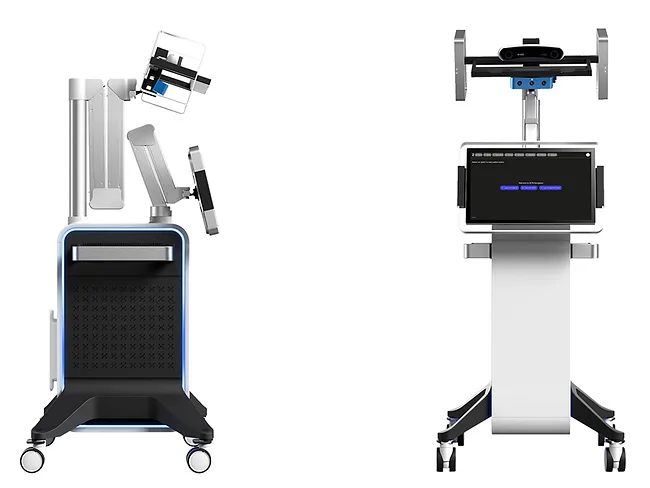
Zeta Surgical Inc. received U.S. FDA 510(k) clearance for its transcranial magnetic stimulation (TMS) robotic system which is designed to support precise and repeatable TMS therapy for patients with treatment-resistant depression.
Med-tech M&As through the first half (H1) of 2026 reached $75.73 billion in collective value, the highest H1 total since 2022’s $120.4 billion and well above every other year in BioWorld’s records. June contributed $12.21 billion, a rebound from May’s relatively quiet $1.51 billion.
For decades, treatment options for osteoarthritis have followed a familiar path: As cartilage deteriorates and pain worsens, conservative therapies eventually give way to joint replacement surgery. Australian regenerative medicine company Integrant Pty Ltd. wants to change that trajectory. Rather than replacing damaged joints, the Sydney-based company is building a platform designed to regenerate cartilage and preserve joint function by combining biologics, medical devices and artificial intelligence.
 RSS
RSS