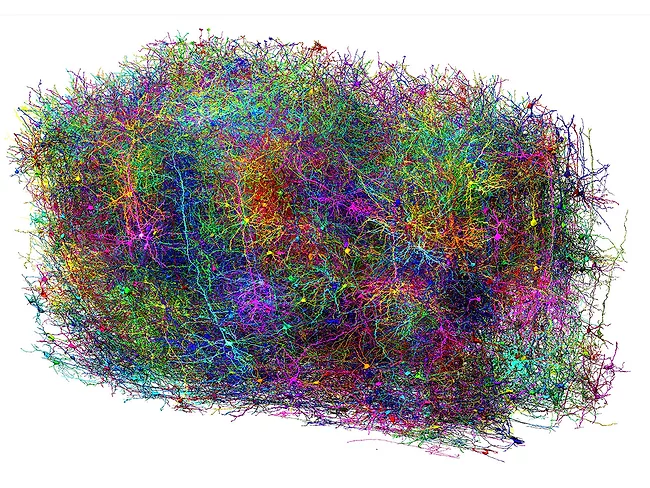
Scientists from the Machine Intelligence from Cortical Networks (MICRONS) consortium have published the microconnectome of a cubic millimeter of the mouse brain. This is the most complete map of this organ to date at nanometer resolution for a mammal. It not only contains the structure and connections of each and every cell in that volume of tissue, but is also linked to the neuronal activity of that portion of the CNS, linking anatomy and function in the same cells.
The Trump administration applied a 90-day hold on nation-specific tariffs, but a group of 26 House Democrats urged the administration to think carefully before acting on a threat to impose tariffs on pharmaceuticals.
“We’ve lost 1,000 person-years of expertise in a few weeks,” former U.S. FDA Commissioner David Kessler said in an April 9 House Oversight and Government Reform hearing as he discussed the impact of the termination of 3,500 FDA employees the previous week, on top of the 1,000 who were let go or offered retirement in February.
The on-again, off-again U.S. tariffs are off again, at least for now, for more than 75 countries that have reached out to the Trump administration to negotiate instead of retaliating. The 90-day pause will provide some breathing room for the med-tech industry. Pharmaceuticals and active pharmaceutical ingredients were among the few products exempted from the reciprocal tariffs, but that exemption for pharmaceuticals was expected to be short-lived. Meanwhile, pharma CEOs warned European Commission President Ursula von der Leyen April 8 that, unless the EU quickly changes its policy, pharmaceutical research, development and manufacturing is increasingly likely to be directed to the U.S.
The April 8 Senate hearing on the Trump administration’s tariffs generated some heated debate, although U.S. Trade Representative Jamieson Greer parried some of the criticism by pointing to the yawing trade deficit.
The nationwide preliminary injunction keeping the U.S. NIH from slashing its indirect cost rate to a flat 15% has become permanent. In issuing the permanent injunction and final judgment April 4 in three challenges to the rate change, Judge Angel Kelley, of the U.S. District Court for the District of Massachusetts, said the NIH’s Feb. 7 notice that it would begin imposing the 15% rate Feb. 10 to all existing and future grants violated the Administrative Procedure Act, as the action was arbitrary and capricious, was impermissibly retroactive and failed to follow notice-and-comment procedures.
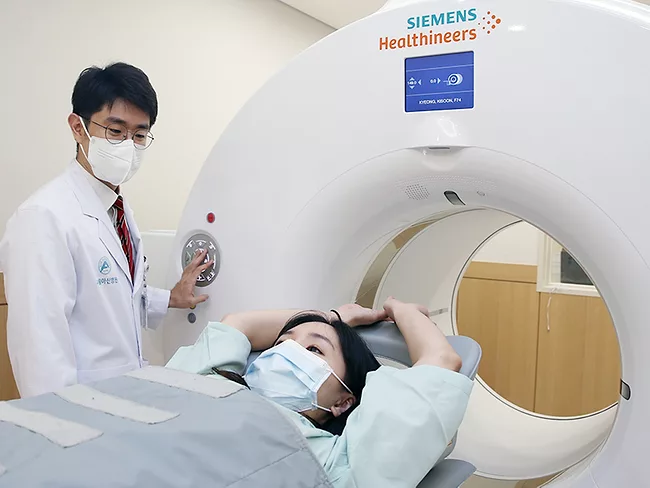
Radiopharmaceuticals, including 16α-18F-fluoro-17β-estradiol (18F-FES) PET/CT, are emerging as powerful tools with new diagnostic and therapeutic potential in breast cancer diagnosis and treatment, Han Sang-won, professor from the department of nuclear medicine at Asan Medical Center, recently told BioWorld.
Mehmet Oz won the U.S. Senate’s nod as the administrator of the Centers for Medicare & Medicaid Services. Oz brought in 53 aye votes to 45 nays in the Senate’s April 3 confirmation tally, and inherits a complicated task as the Medicare breakthrough devices coverage program continues to face substantial challenges.
Following news of U.S. President Donald Trump’s 10% across-the-board tariffs on Australian exports to the U.S., Australia’s Securities Exchange shed nearly AU$55 billion in losses Thursday morning. Even so, pharmaceuticals have escaped the tariffs for now. In China, Trump’s tariffs are not a big concern for China’s health care because drugs and active pharmaceutical ingredients are exempted from the tariffs. Even if tariffs are imposed in the future, Chinese pharmaceutical companies have already significantly de-risked themselves in recent months by increasing out-licensing models with U.S. partners.
At first glance, it appears that biopharmaceuticals dodged the latest U.S. tariff bullet; med-tech, not so much. According to the executive order President Donald Trump signed in the Rose Garden late yesterday, pharmaceuticals are one of the few things exempt from the new country-by-country reciprocal tariffs that will be going into effect over the next week. However, U.S.-based manufacturers of both drugs and devices could face supply chain disruptions, further market restrictions and increased operating costs as the new tariffs take effect and other countries retaliate.
 RSS
RSS