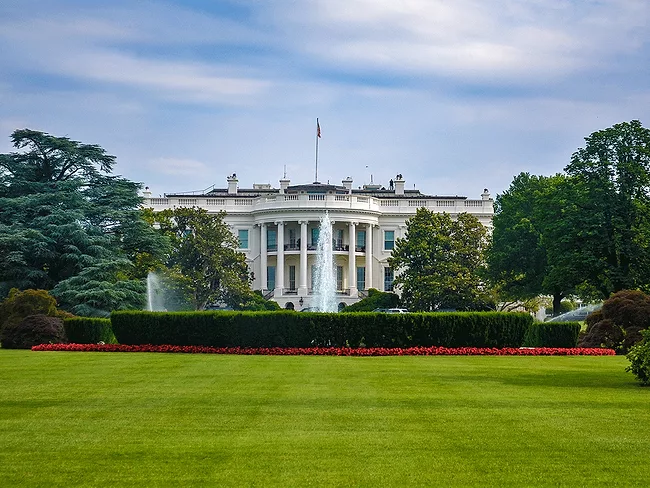
U.S. FDA commissioner Marty Makary appeared at the May 22 Senate Appropriations Committee with the news the White House proposed an FDA budget for fiscal 2026 of $6.8 billion including user fees. This is a cut of 11.5% that will not likely go over well on Capitol Hill as the FY 2026 budget process unwinds.
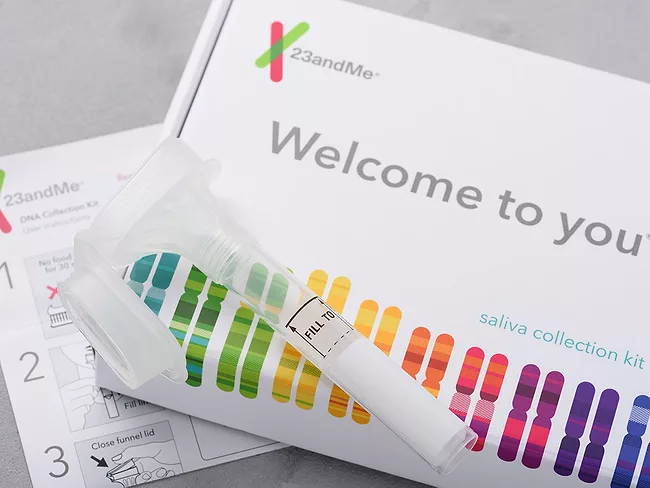
Regeneron Pharmaceuticals Inc. was the successful bidder for 23andme Holding Co.’s personal genome service, total health and research services business lines, including its biobank and associated assets, in the bankruptcy auction to sell 23andme's assets.
Mirroring results reported in a phase IIb study, Apnimed Inc.’s first of two pivotal trials testing AD-109 as an oral therapy in obstructive sleep apnea hit primary and secondary endpoints. Should similar findings emerge from a second phase III trial, expected to read out in a couple of months, the privately held firm anticipates a U.S. NDA filing in early 2026.
U.S. Health and Human Services Secretary Robert Kennedy made his first appearance May 14 before the Senate Health, Education, Labor and Pensions (HELP) Committee since his January confirmation hearing. Chaos, testy arguments, accusations and surprising agreements ensued.
As the U.S. Department of Health and Human Services (HHS) and its agencies begin weeding out old regulations, the department is requesting public input to help identify and eliminate outdated or unnecessary regulations.
The promise of mesenchymal stem cells (MSCs) to heal heart disease could be around the corner thanks to a new delivery method tested by regenerative medicine company Cynata Therapeutics Ltd.
Legislators in Washington again are considering a pair of bills that would affect how patents are obtained and sustained including the Patent Eligibility Restoration Act of 2025. This would constitute a big win for companies in the life sciences thanks to provisions that clarify just what is and is not eligible for patent protection.
In a throwback to the Obama administration, U.S. President Donald Trump signed an executive order pausing federally funded research using infectious pathogens and toxins that may pose a danger until a safer, more enforceable and transparent policy governing such research can be developed and implemented.
In an ongoing effort to onshore more of the biopharma supply chain, U.S. President Donald Trump signed an executive order (EO) late May 5 to shorten the time involved in bringing a new manufacturing plant or expansion online and to remove some of the incentives for foreign production of finished drugs and active pharmaceutical ingredients.

 RSS
RSS