Med-tech happenings, including deals and partnerships, grants, preclinical data and other news in brief: Aiforia Technologies, Angeleye Health, Axcend, Blue Earth Diagnostics, Bostongene, Catalyze, Ceryx, Embla, Enlighten Mobility, Eyenovia, GE Healthcare, Leuko, Neuspera, Senju Pharmaceutical, Volta Medical.
Regulatory snapshots, including global submissions and approvals, clinical trial approvals and other regulatory decisions and designations: Asensus, Atricure, Tulavi.
Spotlight Medical SAS recently raised €6.2 million (US$6.7 million) in seed funding to bring its first artificial intelligence-powered cancer test to the market as it looks to transform treatment of the disease. “We believe our personalized testing approach will revolutionize cancer treatment, providing everyone with the best possible chance to beat cancer,” Sylvain Berlemont, CEO of Spotlight told BioWorld.
Royalties for licensed patents ordinarily need not be paid after the underlying patent has expired, but the case of Zimmer Biomet Holdings Inc. v. Insall would seem to throw out a cautionary flag regarding such agreements.
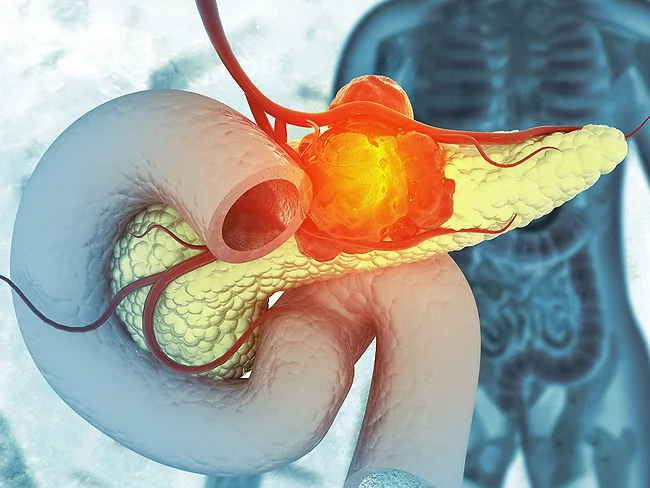
Exthera Medical Corp.’s Oncobind procedure hemoperfusion filter reduced circulating tumor cells in blood samples of patients with pancreatic cancer in a study published in Nature’s BJC Reports. "Researchers observed on average a 94% reduction in circulating tumor cells with a single use of our technology,” Exthera CEO Eric Borger said.
Denver-based Davita Inc. agreed to pay more than $34 million to settle allegations that the company violated the Anti-Kickback Statute (AKS) by not collecting management fees from physicians to induce referrals to the company’s dialysis clinics.

 RSS
RSS