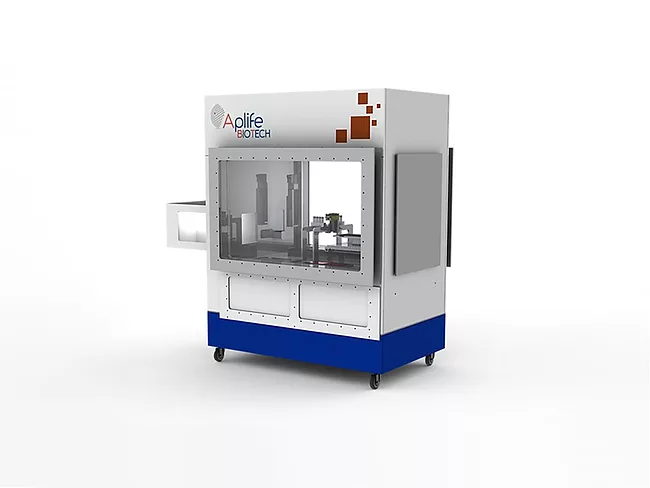
Startup Aplife Biotech is tapping into the rapidly growing market for biosensors that can expand the capacity of hand-held devices to screen for thousands of pathologies from a single drop of blood. Using technology developed in Argentina to print DNA structures on microchips, the company’s goal is to screen as many as 20 million probes with the potential to convert molecular interactions into electrical signals, opening a path for med-tech developers and manufacturers to explore new solutions for personalized health care.
LONDON – New guidelines for stem cell research open the door to extending the legal limit on human embryo research beyond the current 14-day maximum set down 40 years ago.
Regulatory snapshots, including global submissions and approvals, clinical trial approvals and other regulatory decisions and designations: Acutus Medical, Advanced Human Imaging, Avicenna.AI, Lantheus, Micro Interventional Devices, Nowdiagnostics.
In an effort to address the longstanding issues with medical device manufacturers failing to comply with Section 522 postmarket surveillance studies, the FDA is looking to revamp 2016 policies in new draft guidance issued on Wednesday. A separate FDA draft document seeks to update guidance on post-approval study requirements for high-risk devices with new policies on procedures and submissions.
The official compliance date for the European Union’s Medical Device Regulation (MDR) is now officially in force after a delay of two years. One of a number of unfortunate side effects is that the mutual recognition agreement (MRA) between the EU and the Swiss government has lapsed, and the European Commission has indicated that the two sides have not come to terms over the impasse.
Woebot Labs Inc. got a bit of a pick-me-up with the FDA's decision to grant breakthrough device designation to the company's digital therapeutic for postpartum depression. The WB001 app combines cognitive behavioral therapy with interpersonal psychotherapy and an understanding of how postpartum depression affects interactions and daily life. The investigational treatment is designed as an eight-week, prescription-only intervention for women under a physician’s care.
 RSS
RSS