Keeping you up to date on recent developments in cardiology, including: Registry data suggest invasive procedures may be omitted in some cardiac arrest patients; Cryoablation beats medical management for some AF patients; Aetna deems certain leadless pacing experimental.
Medtronic plc received U.S. FDA premarket approval of its Diamondtemp Ablation (DTA) system for treatment of patients with recurrent, symptomatic paroxysmal atrial fibrillation. The temperature-controlled radiofrequency (RF) ablation system features industrial-grade diamonds, which provide 200 to 400 times the thermal conductivity seen in conventional ablation and enable more efficient delivery of energy to regions of the heart responsible for the erratic electrical signals underlying atrial fibrillation (AF).
The U.S. Centers for Medicare & Medicaid Services (CMS) had packaged a proposal to redefine the term “reasonable and necessary” along with the proposal to cover FDA-designated breakthrough devices, but ultimately punted on the definitional question until the end of this year. Mark Leahey, president and CEO of the Medical Device Manufacturers Association (MDMA), told BioWorld that it may be just as well that the agency didn’t expeditiously push through the reasonable and necessary question because of the enormous complexity of the proposal.
TORONTO – Startup CEOs may sometimes be forgiven a little exuberance on learning their technology has received the high sign from regulatory officials. So it was when the head of Monitio Intelligence Inc. Ben Su sifted through his email at his office in Coburg Ontario and saw the Health Canada logo at the top of the letter. “I was actually jumping up and down when I received that authorization letter. I was very excited,” Su said. Since then Su has been overseeing installation of an automated COVID-19 screening system.
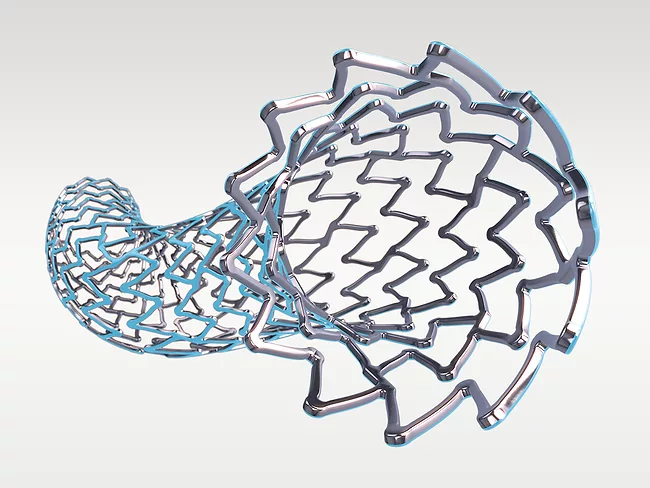
Boston Scientific Corp. has received the U.S. FDA’s nod for its Synergy Megatron drug-eluting stent (DES) system. The company said the premarket approval makes Synergy Megatron the first platform in the U.S. that is designed for large, proximal vessels. The Synergy Megatron biopolymer (BP) stent is indicated “for improving coronary artery luminal diameter in patients with symptomatic ischemic heart disease, stable or unstable angina, non-ST elevation myocardial infarction or documented silent ischemia due to atherosclerotic lesions in native coronary arteries.
The Human Skin Cell Atlas, comprising transcriptomes of 528,253 single cells, shows that cellular processes involved in skin development in embryos are reactivated in inflammatory skin diseases. In addition to suggesting potential new drug targets for atopic dermatitis and psoriasis, the transcriptomes provide a new route to understanding other inflammatory diseases, and provide a template for culturing skin for wound repair, according to the authors of a paper published in the Jan. 22, 2021, issue of Science.
The latest global regulatory news, changes and updates affecting medical devices and technologies, including: FDA reissues policy for coagulation systems; FDA announces recall of Penumbra’s Jet 7; Stericycle to buy buses as part of settlement; Athena agrees to $18M fine; WHO refreshes essential diagnostics list; TGA pulls two pandemic-driven exemptions.
Regulatory snapshots, including global submissions and approvals, clinical trial approvals and other regulatory decisions and designations: Aziyo Biologics, Farapulse, Medtronic.

 RSS
RSS