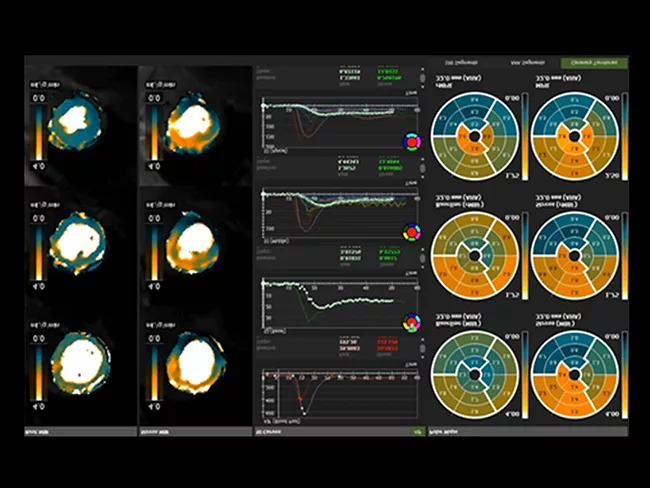
TORONTO – Calgary-based Circle Cardiovascular Imaging Inc. is receiving CA$2.65 million (US$2.09 million) in funding from the Canadian government’s Western Diversification Program (WDP), which represents nearly half of the more than CA$5.5 million (US$3.35 million) investment made to four Alberta-based organizations and companies. Company CEO Greg Ogrodnick attributes this to Circle Cardiovascular’s position “as the world leader in cardiovascular imaging.”
Abbott Laboratories reported 2020 fourth-quarter revenue up 29% year over year to $10.7 billion, outpacing the consensus estimate of $764 million. The positive growth was largely fueled by sales in diagnostics, which surged 111% to $4.35 billion, from $2.10 billion in the prior year period. Net earnings for the period totaled $2.16 billion, or $1.20 per share, up from $1.5 billion, or $.59 per share a year ago. Adjusted earnings per share (EPS) was $1.45, ahead of the Street target of $1.35.
The latest global regulatory news, changes and updates affecting medical devices and technologies, including: Health Canada updates list of recognized standards; FTC posts draft consent agreement for Flo Health; Two more snared in PGx testing scam.
Clinical updates, including trial initiations, enrollment status and data readouts and publications: Elixir Medical, Guardant Health, Medeon Biodesign, Smith+Nephew.
New hires and promotions in the med-tech industry, including: 270Surgical, Clearpoint Neuro, Inogen, Itamar Medical, Psychemedics, Spiras Health, Talis.
Keeping you up to date on recent developments in orthopedics, including: Scientists use a novel ink to 3D print 'bone' with living cells; Student uses zebrafish to study spinal deformities; A compound that slows bone loss, and a resource for developing treatments to slow aging.
IBM Research and Boston Scientific Corp. are harnessing artificial intelligence (AI) to create an objective pain measurement tool that could someday replace standard patient-reported pain scales in the assessment of chronic pain.
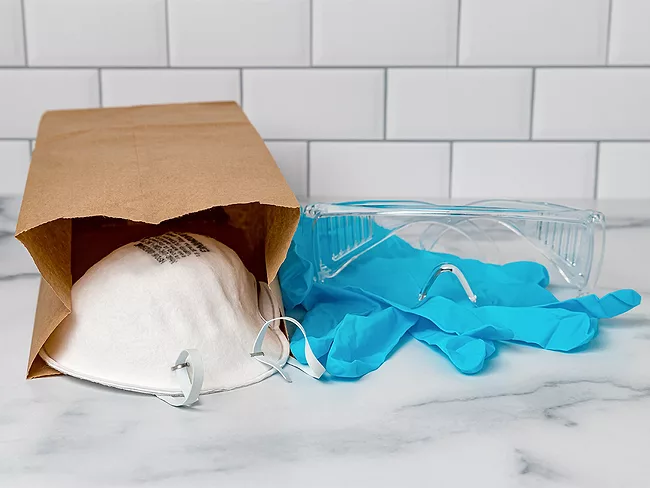
Health care professionals (HCPs) might prefer a new respirator for each shift, but the ongoing shortage has left clinical sites with a need to employ dry heat for filtering facepiece respirator reuse. The U.S. FDA said on a Jan. 26 town hall that it will stick to an established policy that these devices can be processed with dry heat no more than five times, a practice that is likely to stick for the foreseeable future despite that administrators are required to provide fresh units when possible.
Orthospin Ltd.'s outlook was braced by the U.S. FDA's 510(k) clearance of its next-generation digitally enabled, robotic external fixation system. The Autostrut G2 system allows preprogramming of external fixation devices used for orthopedic issues such as lengthening bones, setting complex fractures and correcting deformities.
 RSS
RSS