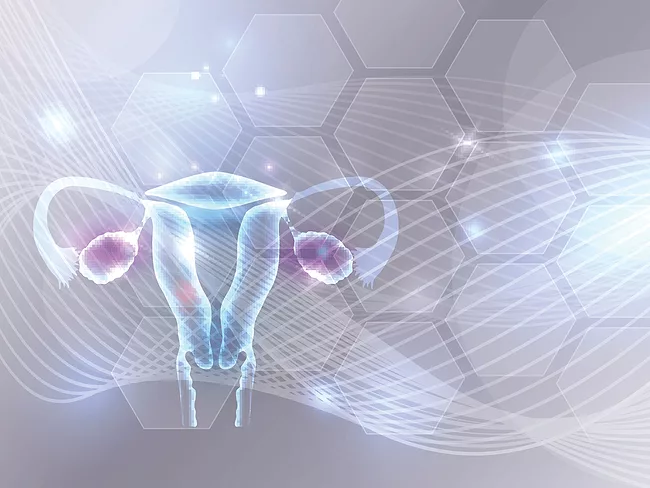
A new animal model of systemic lupus erythematosus (lupus) could be useful for understanding the disparity of the disorder, which is vastly more common in women than men.
Med-tech happenings, including deals and partnerships, grants, preclinical data and other news in brief: AMP, Agnes Medical, ASCO, Carestream, Cerus, Hologic, Nido, Philips, Thermo Fisher.
A research team led by neuroscientists and neurosurgeons from Paris-Saclay University have recently managed to demonstrate that electrical stimulation of the thalamus can restore consciousness when this has been impaired.
The days when paclitaxel was the subject of controversy in connection with peripheral artery disease (PAD) seem to be drawing to a close, thanks in part to a new drug-coated balloon (DCB) by Trireme Medical Inc., of Pleasanton, Calif. Trireme’s Chocolate Touch device, a second-generation DCB with paclitaxel as an antiproliferative, fared well against a legacy paclitaxel device, thus opening a new front in the competition in the PAD space and seemingly relieving any concerns about the safety of paclitaxel.
Metabolic health platform Ultrahuman Healthcare Ltd. has acquired consumer wearable company Lazy Design Pvt Ltd. India (known as Lazyco) to expand the biomarkers complementing its current wearable, the Ultrahuman M1.
Toosonix A/S has launched two trials as it moves to gather data enabling its high-intensity focused ultrasound (HIFU) device to get approval for use in clinical dermatology indications. The company reported on April 19 that the first patients have been treated in a trial of its System One-M device in treating basal cell carcinoma (BCC). Meanwhile, the first patient has been cleared for treatment on April 28 in a study in neurofibromatosis, an inherited condition that causes benign tumors to form on the skin.
Inoviq Ltd. and The University of Queensland (UQ) are expanding a collaboration to develop an exosome-based ovarian cancer screening test. Researchers from UQ identified and validated exosomal protein and micro-RNA (miRNA) biomarkers that when combined in its OCRF-7 algorithm showed more than 90% accuracy to detect stages I and II ovarian cancer in an independent 500-sample retrospective case-control study, Inoviq CEO Leearne Hinch told BioWorld.
 RSS
RSS