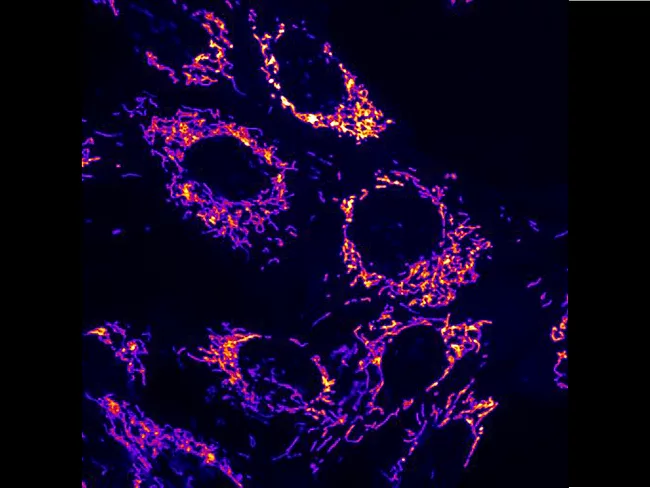
Investigators at Northwestern University’s Feinberg School of Medicine have used a new mouse model of Parkinson’s disease to confirm a causal role for mitochondrial dysfunction in Parkinson’s disease. More surprisingly, the same model has called into question previously uncontroversial notions about the motor features that are PD’s most conspicuous feature.
By using an unsupervised machine learning approach to look at genetic variation across the protein-coding genomes of 140,000 species, researchers at Harvard Medical School and Oxford University have developed a new variant classifying system that performed on a par with wet lab approaches.
At a recent lecture at the U.S. National Institutes of Health, Mehta, who is chief of the laboratory of inflammation and cardiometabolic diseases at the National Heart Lung and Blood Institute and an adjunct professor of medicine at George Washington University, described his insights into the links between psoriasis, inflammation and cardiometabolic disease.
By increasing the expression of the chloride transporter Kcc2 (K-Cl cotransporter 2), researchers at Duke University have reduced chronic pain in mouse models of nerve pain and bone cancer.
On the last day of this year’s Molecular Targets meeting, an annual joint conference of the American Association for Cancer Research, the National Cancer Institute and the European Organization for the Research and Treatment of Cancer, the final plenary went from molecular to macro in a lively discussion of the biggest roadblock in cancer drug development, and what can be done to improve it.
On the last day of this year’s Molecular Targets meeting, an annual joint conference of the American Association for Cancer Research, the National Cancer Institute and the European Organization for the Research and Treatment of Cancer, the final plenary went from molecular to macro in a lively discussion of the biggest roadblock in cancer drug development, and what can be done to improve it.
The 2021 Nobel Prize in Chemistry was awarded today to Benjamin List, director of the Max Planck Institut for Carbon Research, and David MacMillan, professor of chemistry at Princeton University, "for their development of asymmetric organocatalysis."
"My fondest hope is that maybe depression and other mental health disorders may be diagnosed by underlying cause, rather than categorized dualistically," Edward Bullmore, director of the Wolfson Brain Imaging Centre, and head of the Department of Psychiatry at the University of Cambridge, told his audience at the European Congress of Neuropsychopharmacology (ECNP). "I think it's much more aligned with the way that the rest of medicine has been working for some time."
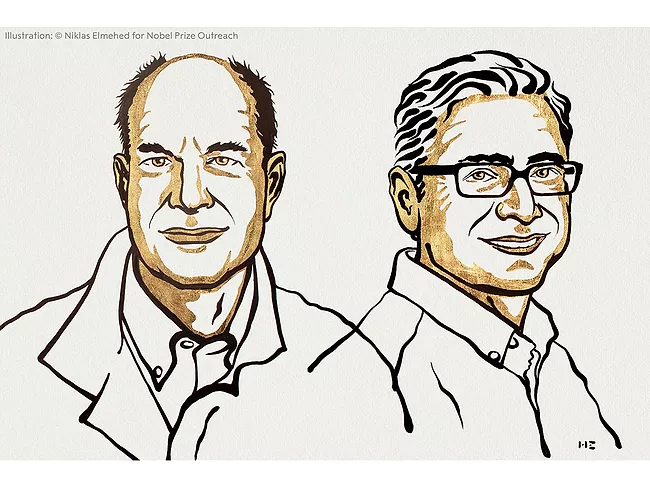
The 2021 Nobel Prize in Physiology or Medicine was awarded Oct. 4 to David Julius and Ardem Patapoutian “for their discoveries of receptors for temperature and touch.”
Low-grade gliomas with mutated isocitrate dehydrogenase-1 (IDH1) produced and secreted higher levels of the cytokine granulocyte colony-stimulating factor (G-CSF) than other glioma types, which improved their antitumor immune response in animal models.