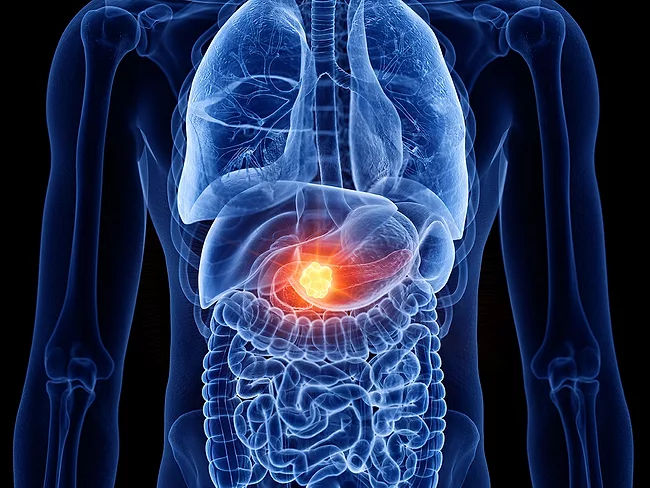
Understanding the mechanisms of resistance to cancer treatments is necessary to find effective therapies at different stages of the disease. Scientists at UT Southwestern Medical Center studied the most frequent mutation in pancreatic ductal adenocarcinoma (PDAC), identified an escape route to a therapy in clinical trials, blocked it with another experimental compound and reduced tumors in mice.
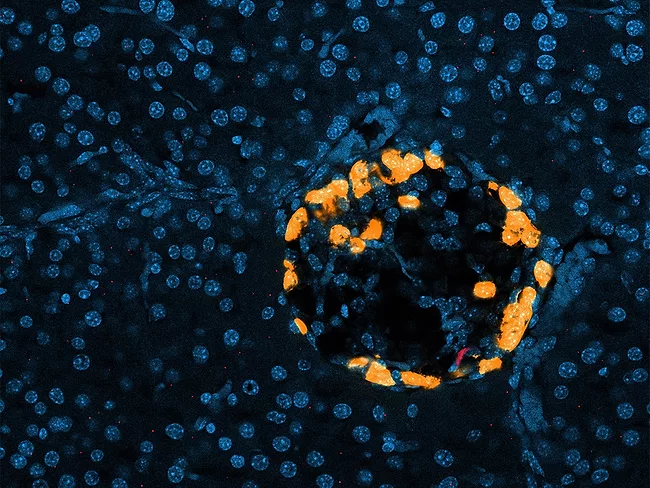
The liver and pancreas are the main actors in glucose metabolism, but not the only ones. Muscles, adipose tissue and the brain play different roles. However, the prize for the best new actor in glucagon production goes to the innate lymphoid cells (ILCs), which, according to a study published in Science, respond to intestine neuron signals traveling to the pancreas to control glucose.
The way the brain ages is not the same in women and men. A study in mice has observed differences in the expression of the maternal and paternal X chromosomes that could explain variation in brain aging between the sexes and a faster deterioration in some women. Another study has discovered different survival strategies in the microglial cells of females and males. Both studies highlight sex differences that could have implications for several age-related neurological disorders, such as Alzheimer’s or Parkinson’s.
The liver and pancreas are the main actors in glucose metabolism, but not the only ones. Muscles, adipose tissue and the brain play different roles. However, the prize for the best new actor in glucagon production goes to the innate lymphoid cells (ILCs), which, according to a study published in Science, respond to intestine neuron signals traveling to the pancreas to control glucose.
Following Nobel Prize-winning chemist David Baker’s recipe for cooking an antidote to cobra venom using artificial intelligence (AI) could be faster and more effective than currently available methods. The ingredients and steps can be found in a new study published by the University of Washington scientist in collaboration with the Technical University of Denmark. They are ready for the next steps in preclinical trials.
A paracrine hormone of skeletal muscle acts as an endocrine signal for the synthesis of a sex hormone. Scientists at McGill University have observed in mice how myostatin, which inhibits the development of muscle mass to control its growth, also stimulated the production of the pituitary follicle-stimulating hormone (FSH), modulating ovarian function. The hypothalamus-pituitary-gonadal axis could include an additional element through a yet unknown role in muscles.
Following Nobel Prize-winning chemist David Baker’s recipe for cooking an antidote to cobra venom using artificial intelligence (AI) could be faster and more effective than currently available methods. The ingredients and steps can be found in a new study published by the University of Washington (UW) scientist in collaboration with the Technical University of Denmark. They are ready for the next steps in preclinical trials.
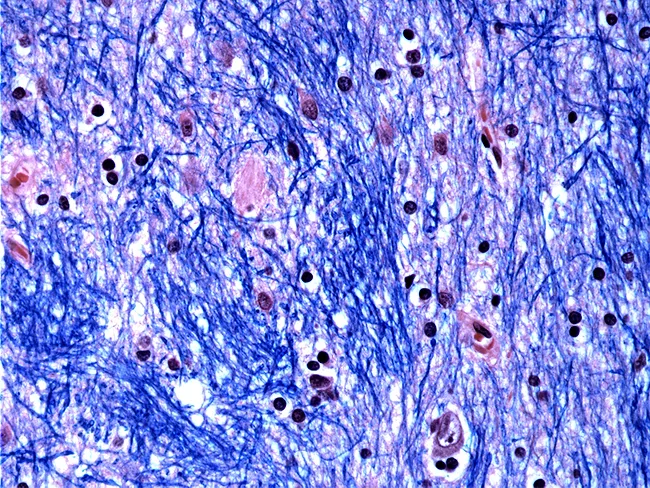
Having 35 copies of the CAG triplet in the gene that causes Huntington’s disease is not a problem. Inheriting 40 could be a sign that goes unnoticed for decades, until reaching 80. From there, the process accelerates and neural death occurs when reaching 150 repeats. Huntington’s disease neurodegeneration is not determined by what, but by how much, according to a study conducted at the Broad Institute.
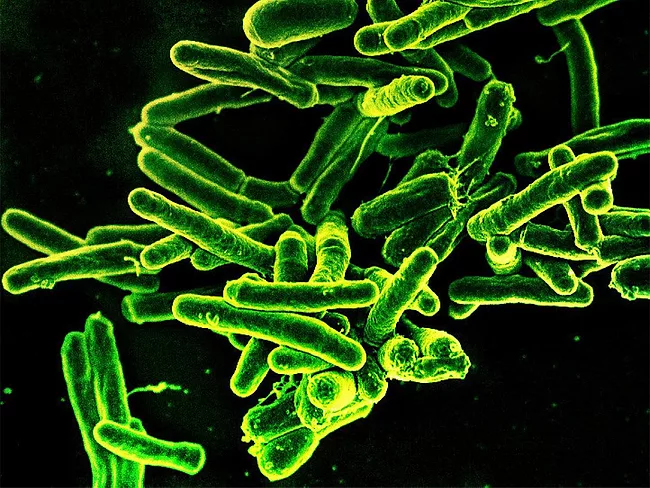
An experimental tuberculosis (TB) vaccine with a dual mission – self-destruction after inducing immunity – improved the design of the Bacillus Calmette-Guérin (BCG) immunotherapy, a vaccine also used against cancer. Scientists at the University of Pittsburgh engineered this strain with a double break, which is effective and safer after an intravenous administration, according to their results in nonhuman primates and mice.
Around the end of every year, the media reports on pregnancy and women who give birth on the last and first days of the new year. They tell their stories, the names of their babies and the cities where they were born. While 2024 was coming to an end, gynecologists and other researchers finalized their publications to improve the health of women and their babies. The formation of the placenta or the study of preeclampsia are some of the first and last stories that greet and say goodbye to 2024. Those of 2025 will be born soon.