The BioWorld Neurological Diseases Index (BNDI) ended May up 12.29% for the year, outpacing both the Nasdaq Biotechnology Index (up 4.95%) and the Dow Jones Industrial Average (up 6.18%), a reversal from 2025 when the BNDI trailed both broader benchmarks.
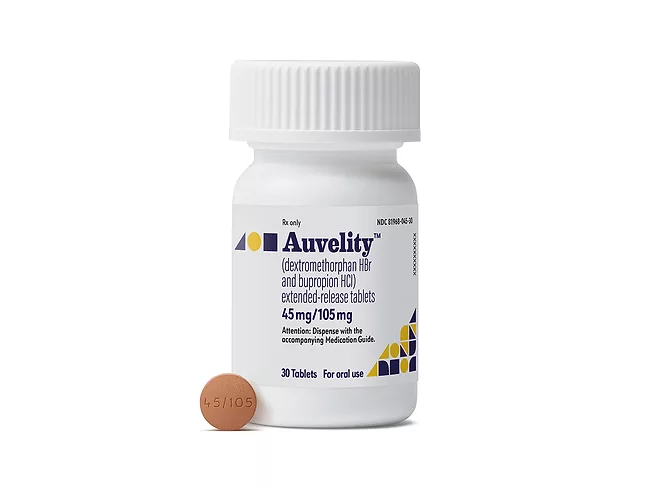
Axsome Therapeutics Inc. won U.S. FDA approval for Auvelity (AXS-05) to treat Alzheimer’s disease agitation, a condition that affects up to three-quarters of patients, gaining access to a $1 billion-plus market and a clean label that counters the boxed warning of a competitor. The agency accepted the supplemental NDA under priority review on Dec. 31, 2025, and the breakthrough therapy approval, specifically for agitation associated with dementia due to Alzheimer’s disease, came on the April 30, 2026, PDUFA date.
The BioWorld Neurological Diseases Index (BNDI) finished 2025 up 6.33%, continuing the gains seen through November (closing up 2.64%), after reaching a low in July when it was down 22.48%. By comparison, the Nasdaq Biotechnology Index (NBI) ended the year up 32.4%, while the Dow Jones Industrial Average (DJIA) rose 12.97%. In the first two months of 2026, the BNDI slipped 1.24%, compared with gains of 5.85% for the NBI and 1.9% for the DJIA.
It was a battle of the companies with drugs for transthyretin-mediated amyloidosis on the first day of the J.P. Morgan 2026 Healthcare Conference with Alnylam Inc., Bridgebio Pharma Inc. and Pfizer Inc. all presenting at the annual kickoff conference. One company disclosed 2025 sales as well as 2026 revenue guidance, the second only looked back, while the third was too big to do either for a specific drug.
On the last day of the year, shares of Axsome Therapeutics Inc. rose 22% on news that the U.S. FDA accepted and granted priority review of the company’s supplemental NDA for AXS-05 to treat Alzheimer’s disease agitation, a $1 billion-plus opportunity, scheduling the PDUFA date for April 30.
Despite missing the primary endpoint in a phase III study of solriamfetol in major depressive disorder, Axsome Therapeutics Inc. still sees a path to another phase III study. It’s a path some analysts and investors are concerned about, though its precision-medicine approach got plenty of nods of approval.
Complete response letter hurdles overcome and U.S. FDA clearance in hand, Axsome Therapeutics Inc. will disclose pricing in about four months, closer to the launch of Symbravo to treat adult migraine with or without aura.
An asset that some investors may have overlooked came through for Axsome Therapeutics Inc., which rolled out phase III data from the trial called Symphony with AXS-12 (reboxetine), which hit the primary endpoint by significantly reducing cataplexy attacks in narcolepsy patients vs. placebo.
Axsome Therapeutics Inc.’s AXS-05 (dextromethorphan + bupropion) has notched another success by hitting its phase III primary endpoint in treating a notoriously difficult Alzheimer’s disease (AD) indication when compared to placebo. Newly released data from the Accord study showed AXS-05, an oral, NMDA receptor antagonist with multimodal activity, statistically significantly delayed time to relapse of AD agitation vs. placebo (p=0.014), which was the primary endpoint.
Gate Neurosciences Inc. was first founded in 2019, but officially launched last week with two clinical-stage assets and a bold goal: to develop better drugs for CNS disorders and identify better-suited patients for those drugs. The company’s first molecular target is the NMDA receptor. Gate has acquired the rights to two NMDA receptor modulators, zelquistinel and apimostinel.