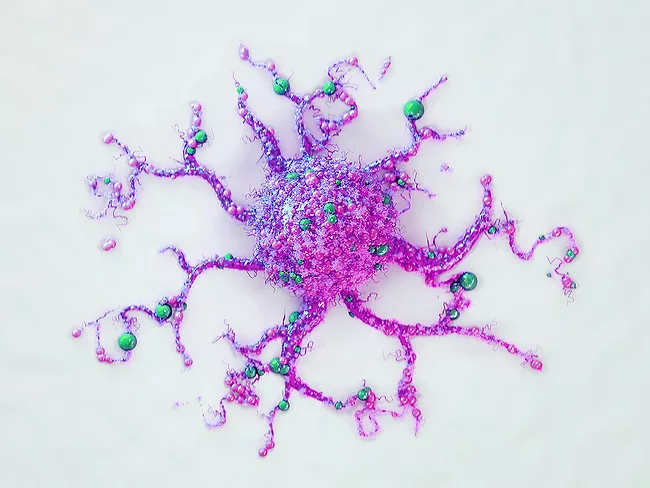
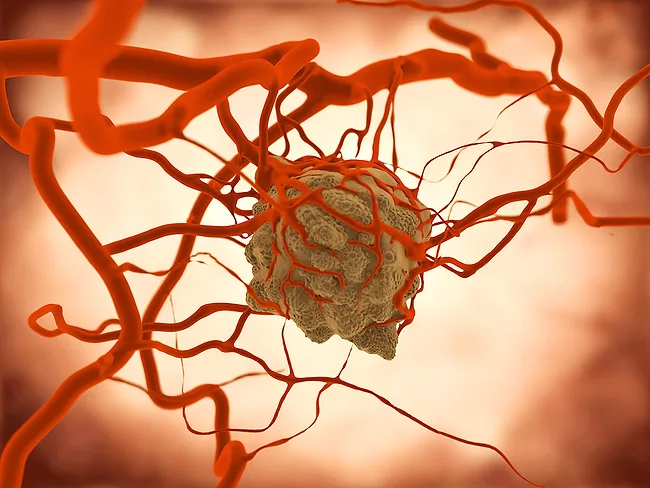
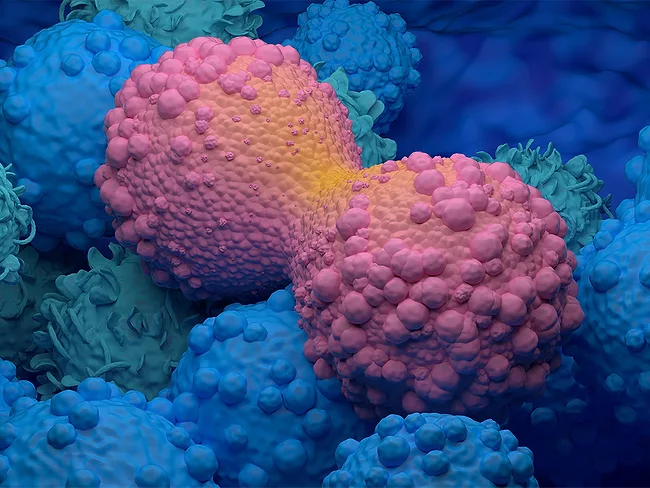
When a tumor migrates and colonizes another tissue or organ, it can be identified as a metastasis, but its origin is not always clear. Now, a study based on machine learning has identified DNA-methylation patterns that reveal the type of tissue a cancer comes from when the primary tumor cannot be found. This technique could help guide more specific treatments for patients with cancers of unknown primary, who today often receive broad, nontargeted chemotherapy.
Alterations in HER2 are known oncogenic drivers in several solid tumors, including breast, lung and gastric cancers, among others. VRN-101099 is an oral and HER2-selective tyrosine kinase inhibitor developed by Voronoi Inc. that had demonstrated brain permeability and preclinical safety.
Bryet US Inc. has received Australian Human Research Ethics Committee (HREC) approval for its first-in-human study of ML-016 for patients with advanced cancer with lung and/or liver involvement. Enrollment in the phase I/II trial will begin early next year.
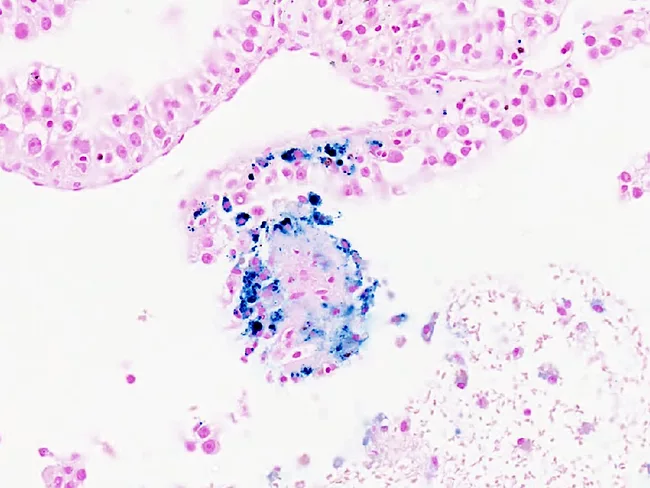
If a cancer patient has bone metastases, they will frequently have anemia as well. Given that the bone marrow is the site of blood cell formation, this observation is perhaps not unexpected. But its molecular underpinnings had been unclear to date. Now, researchers at Princeton University and the Rutgers Cancer Institute of New Jersey have identified a specialized group of iron-transporting macrophages in the metastasis-anemia link.
Scientists at National University of Singapore and Agency for Science Technology & Research Bioprocessing Technology Institute have identified MAPK-interacting kinase (MNK) inhibitors, particularly MNK1 and MNK2 inhibitors reported to be useful for the treatment of triple-negative breast cancer (TNBC) metastatic to the brain.
Esophageal carcinoma (EC) is a tumor type of the digestive tract that accounts for about 300,000 deaths worldwide annually, with high aggressiveness and poor prognosis. Chinese researchers have investigated the implication of the enzyme aldehyde dehydrogenase 18 family member A1 (ALDH18A1) in EC.
Researchers continue to search for how they can inhibit cancer metastasis as it can severely worsen prognosis, even if the primary tumor responded well to therapy. Researchers at Università degli Studi di Torino and collaborators previously showed that injecting an RNA aptamer targeting the miRNA miR-214, called anti-miR-214 sponge, reduced metastasis of tumors to lungs and liver. One drawback of this potential therapeutic approach was that the inhibitor oligo could enter all cells, not only tumors.
Researchers at the Chinese Academy of Sciences and collaborators have developed a new method to label and monitor dormant breast cancer cells over time, shedding light on how these cells survive chemotherapy and potentially trigger metastatic relapse in the lung. Breast cancer frequently recurs in distant metastatic sites, even after the primary tumor has fully regressed following initial therapy.
Synfini Inc. and O2nix Bio have established a strategic collaboration to co-discover and develop novel drug candidates targeting FTSJ1, a tRNA-modifying enzyme implicated in metastatic cancer cell survival.
The detection of metastases in Merkel cell carcinoma (MCC) requires additional testing, such as pancytokeratin (panCK) or CK20, with no guarantee of success. Recent findings have identified transcription factor SOX11 and insulinoma-associated protein 1 (INSM1) as sensitive nuclear neuroendocrine markers, but their usefulness in MCC has not been proven.