In what represents its first patenting, Sonura LLC has been issued with a patent for an aural device designed to protect the hearing of infants in a neonatal intensive care unit (NICU) by active filtering, while, at the same time, providing aural stimulation for neurological development.
A common molecular pathway associated with lung fibrosis may also hold the key to pulmonary vascular repair. A group of scientists at the University of Pennsylvania (Penn) found that when a viral infection damaged these vessels, the injury could be restored by activating the transforming growth factor-β receptor 2 (TGF-βR2) in endothelial cells, which led to cell proliferation.
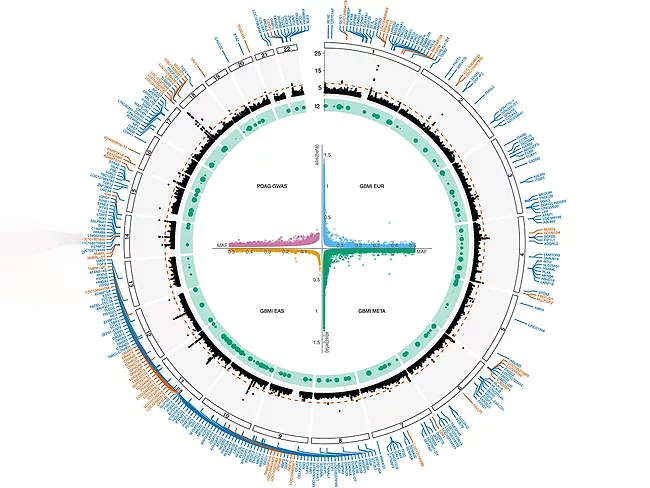
Primary open-angle glaucoma is the leading cause of blindness globally. Individuals of African ancestry have a disproportionately high risk of developing glaucoma, but genetic risk factors have been studied mainly in populations of European ancestry.
Researchers at Centre Hospitalier de Université de Montréal and University of Pennsylvania have identified compounds reported to be useful for the treatment of HIV-1 infection.
After an initial chemical screening, researchers at the University of Pennsylvania and Weill Cornell Medicine identified the Chk1/Chk2 dual inhibitor AZD-7762 among the strongest to induce insulin secretion in various assays.
The largest genetic analysis of abdominal aortic aneurysm (AAA) carried out to date has identified almost 100 new risk variants linked to the disorder. The study also highlighted a possible therapeutic target for this pathology that, at the moment, has no treatment. AAA affects 4% of people over 65 years of age in the U.S. and causes 41,000 deaths per year. The incidence is three to four times higher in men than in women.
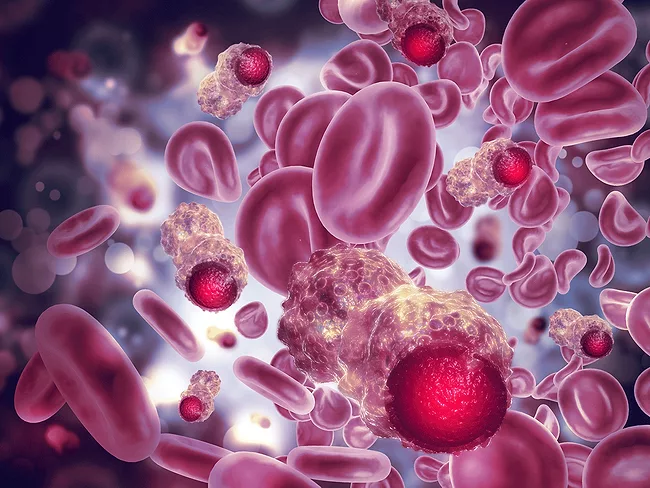
Cimeio Therapeutics Inc. has entered into a preclinical research collaboration with a researcher at the University of Pennsylvania (Penn) to research and evaluate a novel universal immunotherapy with potential to treat multiple blood and bone marrow cancers.
Researchers who follow their instincts and achieve slow results while trying to break barriers have little support. They replace it with persistence. This is the story of Katalin Karikó and Drew Weissman. What was once a dream in their minds was later a success.
Researchers who follow their instincts and achieve slow results while trying to break barriers have little support. They replace it with persistence. This is the story of Katalin Karikó and Drew Weissman. What was once a dream in their minds was later a success. Their work together for decades was essential to achieving mRNA vaccines, and their perseverance was rewarded today with the 2023 Nobel Prize in Medicine.
Lyme disease, caused by the bacteria Borrelia burgdorferi and transmitted by Ixodes ticks, is expanding in many countries, posing a significant global health concern. The outer surface protein A (OspA) of B. burgdorferi is currently the most promising target for vaccine development, primarily because of its broad conservation among different bacterial strains that cause the disease. In a recent publication, researchers from the University of Pennsylvania and collaborators proposed using a lipid nanoparticle-encapsulated nucleoside-modified mRNA (mRNA-LNP) platform, similar to that of clinical vaccines against SARS-CoV-2, to develop a vaccine against Lyme disease.