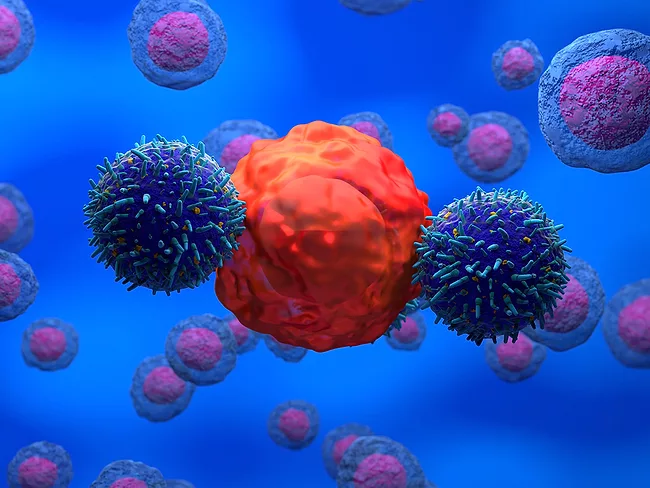
A new method of CAR T-cell immunotherapy developed by researchers at the University of Pennsylvania Perelman School of Medicine could serve as a treatment for most blood cancers. Until now, CAR T-based immunotherapy for hematological malignancies has targeted the antigens CD19 for B cells, CD7 for T cells, BCMA for myeloma, and CD33 for AML.
Verismo Therapeutics Inc. has entered into a licensing agreement with the University of Pennsylvania for worldwide exclusive rights for two newly discovered anti-CD19 binders, the result of a sponsored research agreement between the two parties.
Protein quality control research is “almost exclusively focused on heat shock proteins, which are ubiquitously present” up and down the evolutionary chain, Xiaolu Yang told BioWorld. But “for more sophisticated organisms, which we humans like to think we are, it’s a little odd that we still use the system that bacteria started with…. It seems like we should have something more. The TRIM system,” he added, “fills that gap.”
Protein quality control research is “almost exclusively focused on heat shock proteins, which are ubiquitously present” up and down the evolutionary chain, Xiaolu Yang told BioWorld. But “for more sophisticated organisms, which we humans like to think we are, it’s a little odd that we still use the system that bacteria started with…. It seems like we should have something more. The TRIM system,” he added, “fills that gap.”
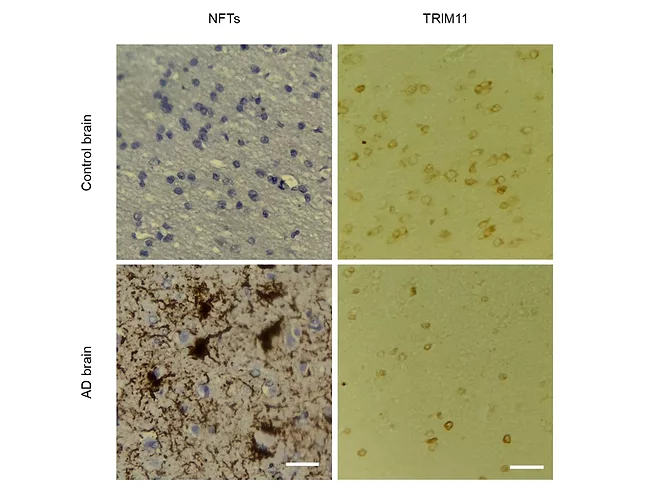
TRIMs or tripartite motif proteins are a group of quality control proteins that are found only in animals. One of their functions is to add ubiquitin tags to proteins, marking them for transport to the proteasome system. TRIMs are part of the innate antiviral defense system. But in the July 27, 2023, issue of Science, Yang, who is a professor of cancer biology in the Perelman School of Medicine at the University of Pennsylvania, and his colleagues reported that TRIM11 interacts with tau protein in multiple ways that were beneficial in preventing tauopathies.
α-Synucleinopathies constitute a set of neurological disorders including Parkinson’s disease (PD), dementia with Lewy bodies, multiple systems atrophy (MSA), and other rare disorders. The development of positron emission tomography (PET) tracers for imaging α-synuclein aggregates is essential for performing efficient and accurate diagnosis, tracking disease progression and monitoring efficacy of potential therapies.
Researchers have identified a druggable pocket on the phosphatase Wip1, which regulates the tumor suppressor TP53 as well as DNA damage repair proteins. The work, which was published in Frontiers in Molecular Biosciences on April 18, 2023, by researchers from the University of Pennsylvania, could lead to therapeutics targeting Wip1. And the computational deep learning methods used to identify the pocket are broadly useful for identifying what the authors call “cryptic” pockets.
A multiomic analysis of the HIV reservoir has characterized the phenotypic and epigenetic heterogenicity of the virus-infected memory CD4+ T-cell population in people living with HIV taking antiretroviral therapy (ART-PLWH). This is the step towards an ex vivo single-cell atlas for these cells, which could help to design new strategies to eliminate the reservoir.