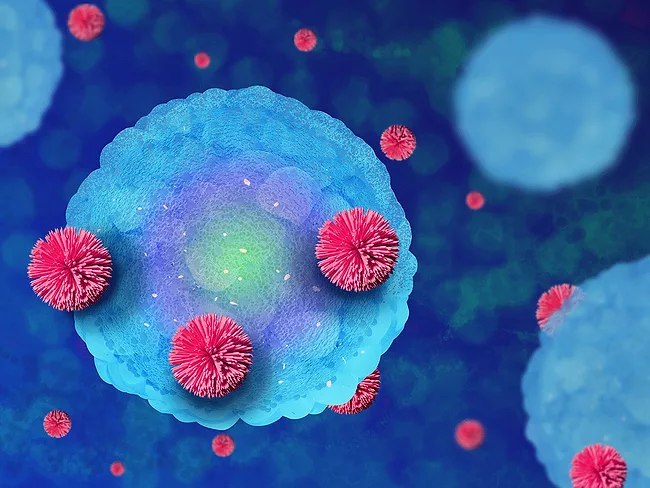
Chimeric antigen receptor T-cell therapies and mRNA-based vaccines represent two of the most significant new modalities to gain regulatory approval in the past decade. Capstan Therapeutics Inc. has emerged from stealth with bold ambitions to combine these two approaches in mRNA-programmed cell therapies that will be generated in vivo from patients’ endogenous cells. It has so far secured $165 million in equity funding to pursue that vision.
Collagen is the most abundant protein in the human body, which would seem to make it an unlikely source for an immunotherapy target. But it is where researchers from Immatics Biotechnologies GmbH and the University of Pennsylvania have found a target that was expressed on stromal cells in a number of different solid tumors, but very rare in normal tissues.
Researchers from Kira Pharmaceuticals LLC and University of Pennsylvania have developed a novel mouse model of rapidly progressing lethal C3 glomerulopathy (C3G), with the aim of assessing whether inhibition of proximal alternative pathway (AP) complement components such as factor D (FD) may be more efficacious than C5 inhibition for the treatment of C3G.
Christian Peters, CEO of the newly launched and privately held Pinpoint Therapeutics Inc., said he has a relatively unusual pedigree that allows him a unique perspective in drug development. That combination of working in academia and in the corporate sphere has given him a more well-rounded view than most.
There are a pair of approved CAR T drugs, Yescarta (axicabtagene ciloleucel) from Gilead Sciences Inc. and Kymriah (tisagenlecleucel) from Novartis AG, that have been available since 2017 for a few hematological cancers including some lymphomas and leukemias. But little is known about how these engineered chimeric antigen receptor T cells that both target CD19, an antigen prevalent in the cells of many B-cell malignancies, move through the body and proliferate after they are first removed, altered, expanded in number and, finally, returned to a patient's body.
Researchers at the Abramson Cancer Center at the University of Pennsylvania have developed an algorithm to better personalize immunotherapy treatment. The algorithm works by examining neoantigen quality, not just their quantity. Neoantigens are proteins that are the result of genetic mutations in a tumor.
Researchers at the Abramson Cancer Center at the University of Pennsylvania have developed an algorithm to better personalize immunotherapy treatment. The algorithm works by examining neoantigen quality, not just their quantity. Neoantigens are proteins that are the result of genetic mutations in a tumor.