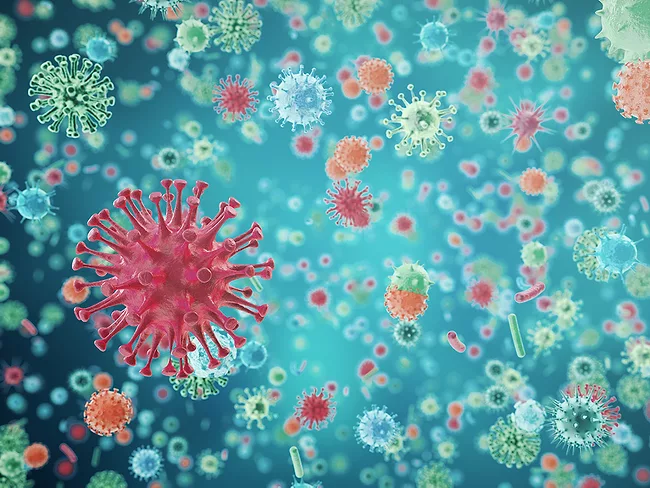
Compared to other forms of prevention, a unique issue for pandemic preparedness is that it is forever unclear what pathogen, exactly, the world needs to be prepared for. There are an estimated 300,000 viruses that infect mammals; add in birds, and the estimate grows to more than half a million. Some of those viruses are much greater threats than others.
Orexo AB has announced promising in vivo proof-of-concept data for a powder-based intranasal vaccine candidate based on Abera Bioscience AB’s BERA vaccine platform and formulated with Orexo’s Amorphox technology.
Compared to other forms of prevention, a unique issue for pandemic preparedness is that it is forever unclear what pathogen, exactly, the world needs to be prepared for. There are an estimated 300,000 viruses that infect mammals; add in birds, and the estimate grows to more than half a million. Some of those viruses are much greater threats than others.
Compared to other forms of prevention, a unique issue for pandemic preparedness is that it is forever unclear what pathogen, exactly, the world needs to be prepared for. There are an estimated 300,000 viruses that infect mammals; add in birds, and the estimate grows to more than half a million. Some of those viruses are much greater threats than others.
National Science & Technology Development Agency (NSTDA) has described cordycepin derivatives acting as viral replication inhibitors reported to be useful for the treatment of viral infections.
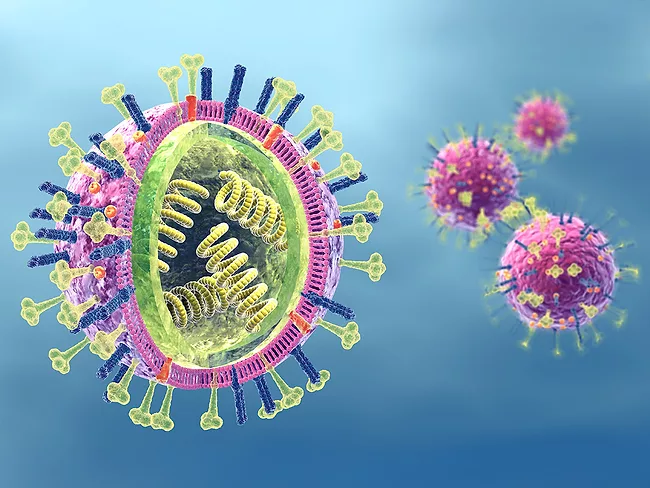
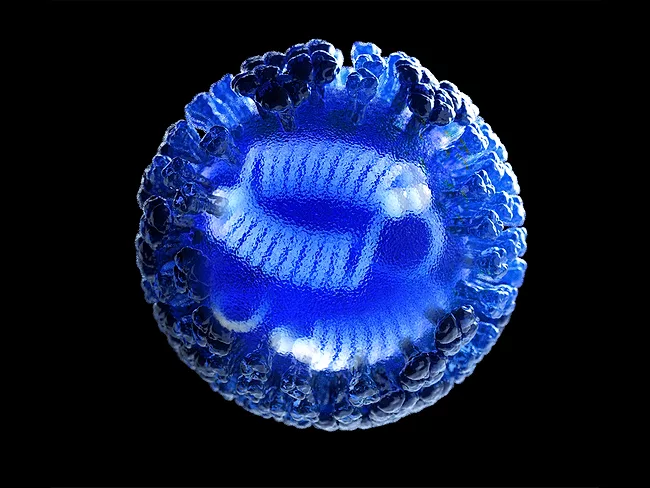
The ability of influenza virus to rapidly undergo antigenic shift to evade immunity raises the need for effective influenza antivirals with a broad spectrum. In a recent Nature Microbiology article, Cidara Therapeutics Inc. provided preclinical data for their drug-Fc conjugate compound CD-388, which has the potential to be a robust therapeutic option for the universal prevention of both seasonal and pandemic influenza.
CEPI is partnering with Astrazeneca plc to advance VHH-based multispecific antibodies targeting influenza, while Harbour Biomed Ltd. has entered into a global strategic collaboration with Astrazeneca to discover and develop next-generation multispecific antibodies for immunology, oncology and other diseases.
Breaking with a 30-year tradition, the U.S. FDA selected the strains for the next flu vaccine March 13 without convening its independent vaccine advisory committee. Instead, the agency brought together 15 scientific and public health experts from within the FDA, the CDC and the Department of Defense to make the recommendations for the next flu season. That group met the same day that the agency’s Vaccines and Related Biological Products Advisory Committee had been scheduled to make the selection.
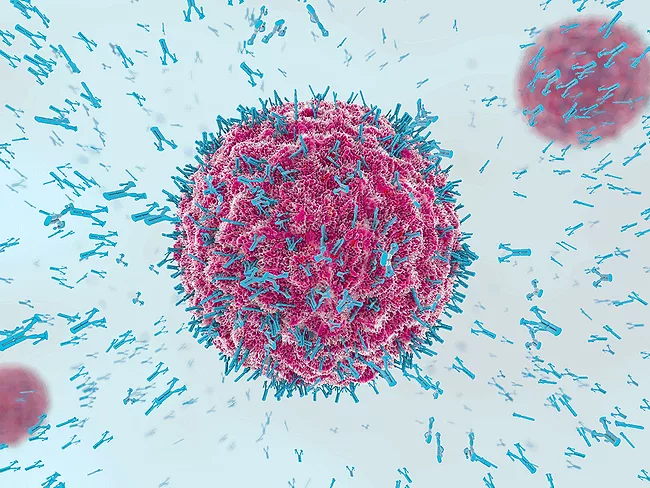
Scientists at the University of Pittsburgh have tested a broadly neutralizing antibody that binds the stem of a protein against H5N1 avian influenza, which prevented severe disease in nonhuman primates and was effective for at least 8 weeks. The scientists remark on the potential of the design developed by Astrazeneca plc against a possible outbreak of the influenza A virus.
Researchers have developed a novel point of care (POC) diagnostic that can test for multiple respiratory viral infections simultaneously, including for the flu and COVID-19. The POC diagnostic tool leverages a novel, non-enzymatic signal amplification method, according to study lead Eunjung Kim, professor at Incheon National University (INU), whose team published the findings in Sensors and Actuators B: Chemical online November 2024.