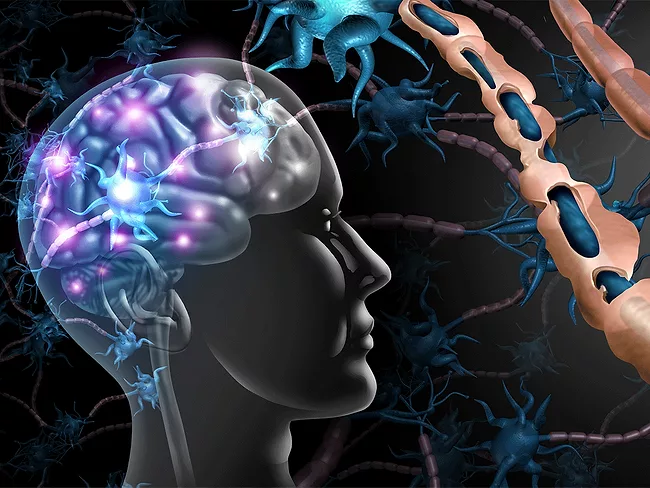
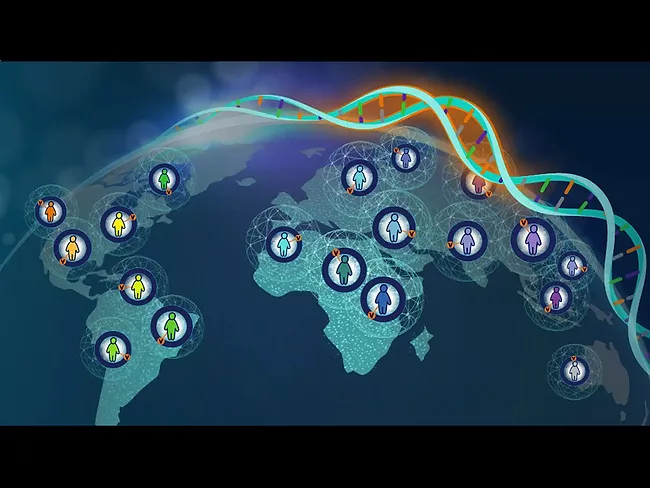
In recognition of the fact that diversity, equity and inclusion (DEI) are necessary prerequisites for precision medicine, the European Academy of Neurology (EAN) announced the launch of a DEI Hub at its 11th Congress, which is being held in Helsinki through June 24. “We know now that when we talk about personalized medicine, we have to understand that talking about stroke, for example, in a woman is different than talking about stroke in a man,” EAN president Elena Moro told the audience at the opening session of the conference.
Following last fall’s $1 billion development deal with Eli Lilly and Co., precision medicine company Haya Therapeutics SA has raised $65 million in a series A. It’s all part of increased validation from big pharmas that long noncoding RNAs, such as those being developed by Haya, have a strong future.
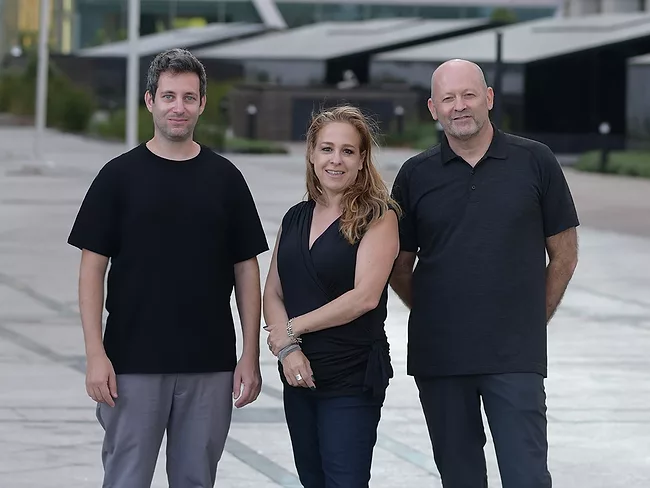
Promise Bio Ltd. emerged from stealth with $8.3 million in seed investment for its precision medicine platform, which addresses immune-mediated diseases. The funding will be used to accelerate the development of the company’s technology that analyzes proteins and their post-translational modifications to predict the treatment responses of patients with immune-mediated diseases.
Promise Bio Ltd. emerged from stealth with $8.3 million in seed investment for its precision medicine platform, which addresses immune-mediated diseases. The funding will be used to accelerate the development of the company’s technology that analyzes proteins and their post-translational modifications to predict the treatment responses of patients with immune-mediated diseases.
Promise Bio Ltd. emerged from stealth with $8.3 million in seed investment for its precision medicine platform, which addresses immune-mediated diseases.
During an Innovation Ignited webinar sponsored by Johnson & Johnson, experts talked about how precision medicine has helped advance the field of oncology and how those lessons can be applied to immunology. Advancements in precision medicine have helped oncologists know which drugs are most likely to help patients as their tumors advance and mutate.
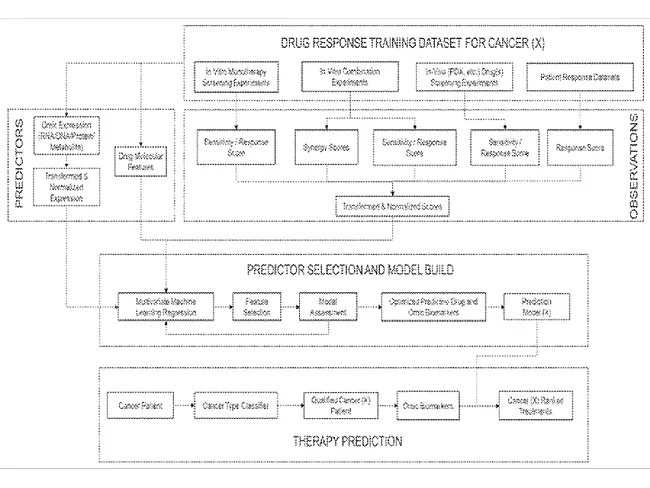
Certis Oncology Solutions Inc. filed for protection of its artificial intelligence platform that utilizes big data, statistical algorithms, and machine learning to predict drug efficacy based on gene expression biomarkers.
Artificial intelligence (AI) drug discovery company Noetik Inc. has closed on an oversubscribed $40 million series A financing round. The company plans to use the money to expand its atlas of human cancer biology with its in vivo CRISPR platform to advance a pipeline of cancer therapeutics to the clinic. In describing its approach, the company said that making a genuine impact on drug discovery requires computational capabilities to understand and simulate disease biology at the patient level, identifying the right targets and matching them with the right therapies.
Artificial intelligence (AI) drug discovery company Noetik Inc. has closed on an oversubscribed $40 million series A financing round. The company plans to use the money to expand its atlas of human cancer biology with its in vivo CRISPR platform to advance a pipeline of cancer therapeutics to the clinic. In describing its approach, the company said that making a genuine impact on drug discovery requires computational capabilities to understand and simulate disease biology at the patient level, identifying the right targets and matching them with the right therapies.
Precision medicine holds exciting promise for the medical device industry as it offers a range of solutions within diagnostics, digital devices and imaging, which could transform patient care, delegates heard at the LSX World Congress in London. However, there are a range of challenges ahead, including the population of clinical data, getting past the inertia of physicians and making it easier to run clinical studies.