When the U.S. CMS didn’t get takers for its voluntary Better Approaches to Lifestyle and Nutrition for Comprehensive Health (BALANCE) model to cover obesity drugs under Medicare Part D, the agency punted. It announced late April 21 that it will indefinitely delay the BALANCE model in Medicare but extend its temporary Medicare GLP-1 Bridge demonstration model through the end of 2027. (The Medicaid BALANCE model will still kick in this year in states that choose to participate in it.)
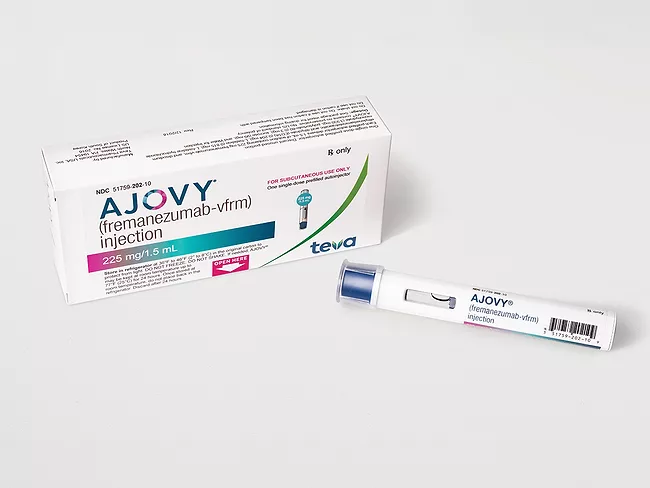
Ever since Teva Pharmaceutical Industries Ltd. sued Eli Lilly and Co. several years ago, claiming Lilly’s migraine drug, Emgality (galcanezumab), infringed its headache treatment patents, the two companies have been on a litigation rollercoaster.
The already-thriving CAR T space took another big stride forward as Eli Lilly and Co. disclosed its plan to acquire Boston-based Kelonia Therapeutics Inc. for as much as $7 billion in cash, including an up-front payment of $3.25 billion, with the rest coming if clinical, regulatory and commercial goals are reached.
The ongoing controversy over the effectiveness of anti-amyloid drugs is about to get more heated, after a review of clinical trials showed statistically significant results do not read across to clinical benefit for patients with Alzheimer’s disease.
Wall Street met with satisfaction but not surprise Eli Lilly and Co.’s undeniably positive top-line results from the phase III Achieve-4 study testing the efficacy and safety of Foundayo (orforglipron) compared to insulin glargine in adults with type 2 diabetes and obesity or overweight at increased cardiovascular risk.
Eli Lilly and Co.’s buyout of Ventyx Biosciences Inc. for $1.2 billion at the start of the year brought to the forefront NLR family pyrin domain containing 3 (NLRP3) inhibitors, on which a handful of developers have been working – and research in the space continues to roll out, as with the paper published March 26 in Nature that delved into mechanisms that rev up the NLRP3 inflammasome.
Biopharma deal value totaled $18.05 billion in March 2026, a pullback from $30.01 billion recorded in February and $31.16 billion in January, but broadly in line with prior years. The March total exceeds March 2024 ($8.5 billion) and is comparable to March 2023 ($19.68 billion) and 2022 ($15.35 billion). For the first quarter (Q1) 2026, deal value increased 17% year over year to $79.22 billion, up from $67.6 billion in Q1 2025.
Biopharma deal value totaled $18.05 billion in March 2026, a pullback from $30.01 billion recorded in February and $31.16 billion in January, but broadly in line with prior years. The March total exceeds March 2024 ($8.5 billion) and is comparable to March 2023 ($19.68 billion) and 2022 ($15.35 billion). For the first quarter (Q1) 2026, deal value increased 17% year over year to $79.22 billion, up from $67.6 billion in Q1 2025.
Eli Lilly and Co. anticipates shipping newly approved Foundayo (orforglipron) within the next week, as the drug becomes the second oral weight-loss glucagon-like peptide-1 (GLP-1) receptor agonist to enter the U.S. market following December’s approval of Novo Nordisk A/S’ Wegovy (semaglutide) pill.
Eli Lilly and Co. is deepening its investment in artificial intelligence-driven drug discovery through a multibillion-dollar expansion of its collaboration with Hong-Kong listed Insilico Medicine Inc. in a move that could broaden its reach into next-generation metabolic therapies. Under the deal terms, Insilico is eligible to receive $115 million up front, plus development, regulatory, and commercial milestone payments worth $2.75 billion, in addition to sales-based royalties. In exchange, Lilly gains exclusive global rights to develop and commercialize multiple candidates generated using Insilico’s AI platform, including preclinical oral therapies.