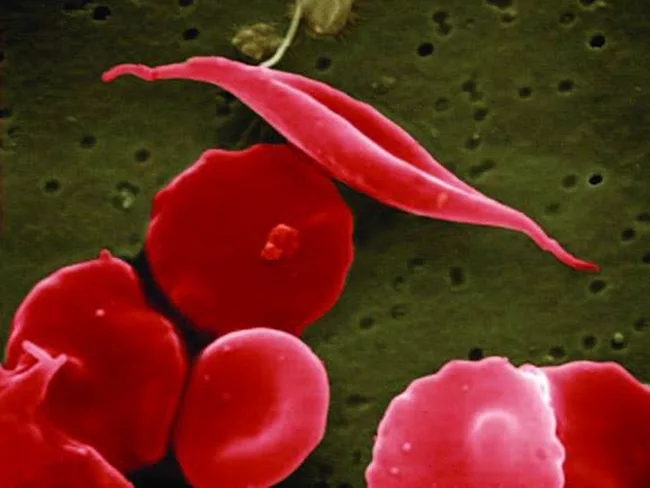
Pfizer Inc. plans to pay about $5.8 billion – total equity value – for Global Blood Therapeutics Inc. (GBT) and its oral sickle cell disease (SCD) treatment Oxbryta (voxelotor). The company reported the enterprise value as $5.4 billion, which includes debt and net cash. If completed, the GBT buy would be the second largest M&A in 2022 after Pfizer’s $6.7 billion buyout of Arena Pharmaceuticals Inc. Oxbryta, which netted about $195 million in sales in 2021, gained U.S. FDA approval in November 2019 for the treatment of SCD in adults and pediatric patients ages 12 and up. The FDA later expanded Oxbryta’s approved uses to SCD patients 4 years of age and older in December 2021.
Research carried out by a team at St. Jude Children's Research Hospital in Memphis highlights the importance of carefully assessing the mouse model you plan to use before starting preclinical medical research.
As fellow gene editing firm Crispr Therapeutics AG hosted an innovation day in which it confirmed plans for regulatory filings by year-end for an ex vivo gene editing therapy in sickle cell disease and beta-thalassemia, Precision Biosciences Inc. announced plans to develop an in vivo gene editing approach through a collaboration with Novartis AG that brings Precision an initial $75 million with up to $1.4 billion in potential milestones.
At the European Hematology Association's annual meeting in Vienna last week, companies reported impressive progress for the treatment of sickle cell disease.
At the European Hematology Association’s annual meeting in Vienna last week, companies reported impressive progress for the treatment of sickle cell disease.
Analysts have already started tagging Cogent Biosciences Inc.’s bezuclastinib as potentially best in class, after the company presented impressive, though early stage, data at the European Hematology Association Congress in Vienna demonstrating promising efficacy and a possibly differentiating safety profile for the selective KIT D816V inhibitor in advanced systemic mastocytosis.
Bluebird Bio Inc. became the latest in a spate of gene therapy firms to disclose restructuring plans, as the company aims to save $160 million over the next two years, saying goodbye to about a third of its workforce. It’s the other shoe to drop after Cambridge, Mass.-based Bluebird rattled Wall Street with phraseology in the firm’s fourth-quarter earnings report March 4 that expressed “substantial doubt” regarding whether operations could go on.
Fulcrum Therapeutics Inc. shares (NASDAQ:FULC) closed at $18.77, up $10.44 or 125%, on word of positive interim results from a phase I trial in healthy adult volunteers with oral FTX-6058 for sickle cell disease (SCD). The firm has “already achieved maximal target engagement [MTE] at all three doses,” said Christopher Morabito, the company’s chief medical officer. “I don’t think we’ll exceed that.”
LONDON – The World Health Organization (WHO) is to set up a channel for confidential reporting of illegal, unregistered, unethical or unsafe human genome editing research, as part of a new governance framework it is proposing to develop.
Princeton University spinout Neutigers Inc. is launching a study to explore the use of artificial intelligence (AI) and everyday wearables to flag early symptoms of sickle cell anemia vaso-occlusive crisis (VOC) before they get worse and land patients in the hospital. The aim is to reduce deaths and facilitate interventions to address the entire continuum of care for patients with the inherited red blood cell disorder, Adel Laoui, founder and CEO, told BioWorld.