Bad news has buffeted Sage Therapeutics Inc. twice in the past few months. Now its placebo-controlled phase II Lightwave study of dalzanemdor in Alzheimer's disease has missed the primary outcome measure, prompting the company to stop development of the NMDA receptor positive allosteric modulator in the indication.
Merck Sharp & Dohme LLC has identified compounds targeting α-synuclein (ASYN; NACP) acting as positron emission tomography agents reported to be useful for the diagnosis of Parkinson’s disease.
As Novo Nordisk A/S and Eli Lilly and Co. go head-to-head in the U.S. and Chinese glucagon-like peptide-1 receptor agonists (GLP-1RA) market for diabetes and obesity, Novo Nordisk is in innovator gear once more with leading studies of GLP-1s in Alzheimer’s disease.
As Novo Nordisk A/S and Eli Lilly and Co. go head-to-head in the U.S. and Chinese glucagon-like peptide-1 receptor agonists (GLP-1RA) market for diabetes and obesity, Novo Nordisk is in innovator gear once more with leading studies of GLP-1s in Alzheimer’s disease.
It has been previously demonstrated that the activation of spleen tyrosine kinase (SYK) contributes to processes that are central to the pathogenesis of neurodegenerative diseases, such as Alzheimer’s disease (AD) and Parkinson’s disease (PD).
Mid-Atlantic Biotherapeutics Inc. and Accelero Biostructures have entered into a research collaboration to identify novel USP30 inhibitors for neurological disorders and other indications.
The brain is a vulnerable organ that is compromised in the absence of energy production. Reduced fuel delivery to the brain correlates with aging and is an early predictor of potential neurological dysfunction, such as what occurs in Parkinson’s disease.
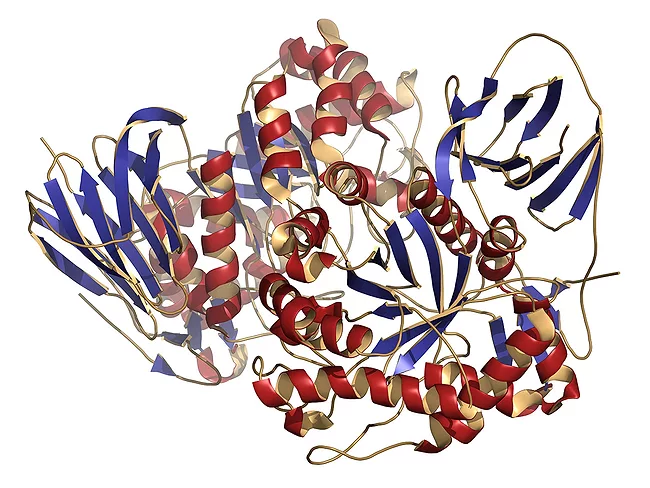
People with the rare inherited metabolic disorder Gaucher disease have a deficiency in the lipid-digesting glucocerebrosidase enzyme, which causes the accumulation of harmful levels of glucolipids in various organs. The enzyme has a very short half-life, which rules out enzyme replacement as an effective therapy, and as things stand, there are few treatments for this and other lysosomal storage diseases (LSDs). Now, researchers have discovered two small molecules that enhance the activity of glucocerebrosidase in cellular models of LSD, pointing to a potential new approach to treating these diseases.
The U.S. FDA recently granted Medtronic plc approval for its deep brain stimulation (DBS) system to be used to treat Parkinson’s disease or essential tremor while a patient is asleep, under general anesthesia. The approval gives patients another option for DBS therapy which can transform their quality of life, Amaza Reitmeier, vice president and general manager for Medtronic brain modulation, told BioWorld in an interview.
After sparking further interest from investors after the close of its series A, Vandria SA has extended the round and now has the means to advance its lead mitophagy inducer program as far as phase Ib/IIa development in the treatment of mild cognitive impairment.