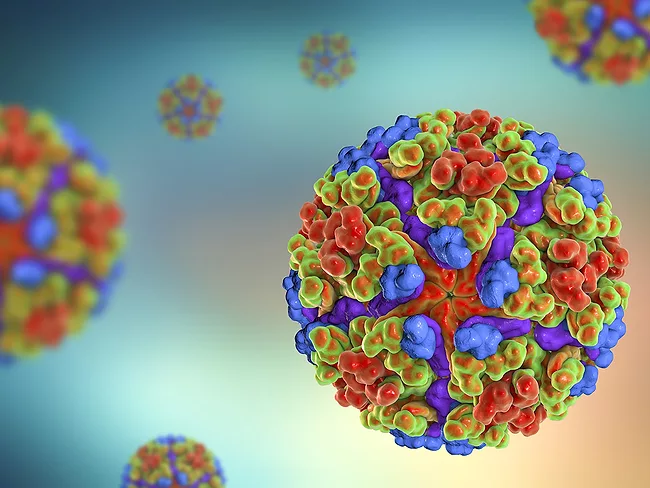
Three years after litigation started over technology used in an mRNA vaccine for COVID-19, Biontech SE is acquiring its adversary, Curevac NV, through an all-stock transaction valued at about $1.25 billion. The amount is lower than the $3 billion in backpay Curevac could win through the lawsuit if a low mid-single-digit royalty were awarded, Evercore ISI analysts Jon Miller and Umer Raffat said. But the legal uncertainty has weighed heavily on the company, which shed 30% of its workforce last July and sold off rights to two of its infectious disease vaccines.
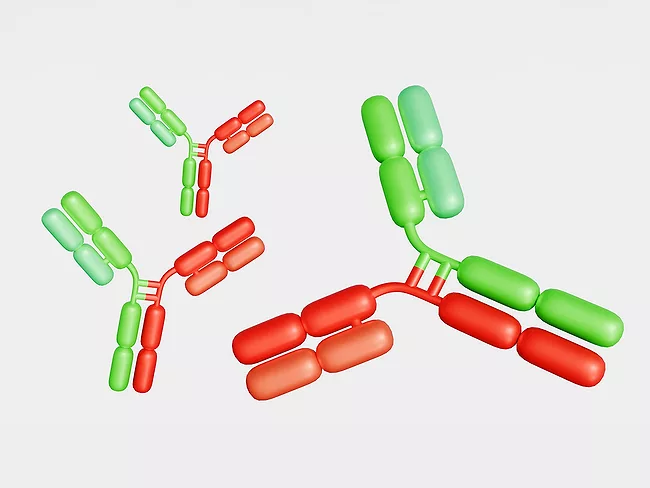
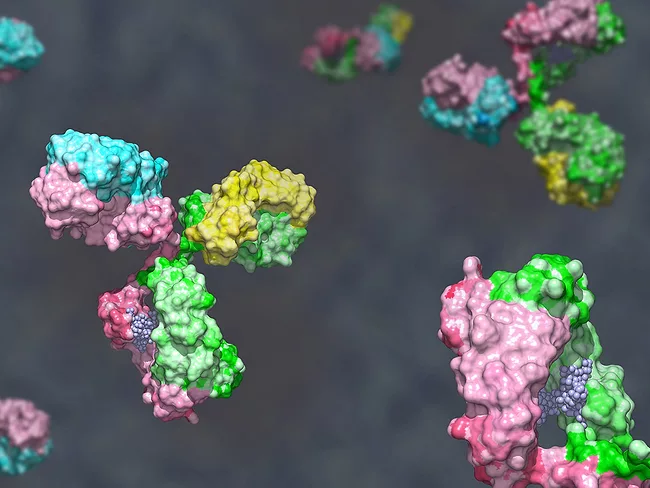
Biontech SE and Bristol Myers Squibb Co. are teaming up to develop Biontech’s BNT-327 in a deal possibly worth over $11 billion. BNT-327 is in the hot new class of bispecific antibodies targeting programmed death-1 (PD-1) or its ligand (PD-L1) and vascular endothelial growth factor (VEGF). The bispecifics take advantage of two well established mechanisms of action that help tumors grow; PD-1/PD-L1, which tells immunogenic T cells not to attack the tumor, and VEGF, which tumors excrete to produce new blood vessels to supply oxygen and other nutrients to the tumor.
Infectious disease stocks stumbled in the early months of 2025, with the BioWorld Infectious Disease Index (BIDI) plunging 17.83% by the end of April, well behind the broader markets. By comparison, the Nasdaq Biotechnology Index slipped just 1.16%, and the Dow Jones Industrial Average declined 4.41%. In 2024, the BIDI ended the year down 6.28%, after hitting a low of -25.12% in late April.
The intriguing VEGFxPD-1 bispecific antibody space gained oomph with phase III results disclosed April 23 by Akeso Pharmaceuticals Inc. related to Harmoni-6, testing ivonescimab in combination with platinum-based chemotherapy compared with Tevimbra (tislelizumab, Beigene Ltd.), a PD-1 inhibitor also paired with platinum-based chemo in patients with locally advanced or metastatic squamous non-small-cell lung cancer irrespective of PD-L1 expression. Those data were followed by a green light from the U.S. FDA April 24 for marketing the PD-1 monoclonal antibody penpulimab in combination with cisplatin or carboplatin and gemcitabine for the first-line treatment of adult recurrent or metastatic non-keratinizing nasopharyngeal carcinoma.
The intriguing VEGFxPD-1 bispecific antibody space gained oomph with phase III results disclosed April 23 by Akeso Pharmaceuticals Inc. related to Harmoni-6, testing ivonescimab in combination with platinum-based chemotherapy compared with Tevimbra (tislelizumab, Beigene Ltd.), a PD-1 inhibitor also paired with platinum-based chemo in patients with locally advanced or metastatic squamous non-small-cell lung cancer irrespective of PD-L1 expression. Those data were followed by a green light from the U.S. FDA April 24 for marketing the PD-1 monoclonal antibody penpulimab in combination with cisplatin or carboplatin and gemcitabine for the first-line treatment of adult recurrent or metastatic non-keratinizing nasopharyngeal carcinoma.
Antibody-drug conjugate developer Duality Biotherapeutics Inc. debuted on the Hong Kong Stock Exchange (HKEX) with a HK$1.64 billion (US$211.4 million) IPO April 15, making it one of the biggest offerings made under the HKEX’s Chapter 18A listing regime since 2020.
Antibody-drug conjugate developer Duality Biotherapeutics Inc. debuted on the Hong Kong Stock Exchange (HKEX) with a HK$1.64 billion (US$211.4 million) IPO April 15, making it one of the biggest offerings made under the HKEX’s Chapter 18A listing regime since 2020.
Last October, having chalked another trial failure with E-selectin antagonist uproleselan, Glycomimetics Inc. made known its acquisition plan for privately held, solid tumor-focused Crescent Biopharma Inc. – backed by $200 million from a syndicate of investors who liked the odds of success with CR-001, a preclinical VEGFxPD-1 bispecific antibody.
Biontech SE agreed to pay up to nearly $1.26 billion in two separate settlements to resolve royalty disputes with the U.S. NIH and the University of Pennsylvania related to the COVID-19 vaccine the company partnered with Pfizer Inc.
Biontech SE is extending its relationship with Biotheus Inc. from a licensing deal to a full-scale acquisition, agreeing to pay $800 million cash and up to $150 million in milestone payments for the Chinese oncology specialist.