Cognition Therapeutics Inc. said it is moving to the next stage of clinical testing with oral, small-molecule candidate CT-1812, despite phase II efficacy results falling short of statistical significance in patients with mild to moderate Alzheimer’s disease and sending shares of the Purchase, N.Y.-based company (NASDAQ:CGTX) falling 44%, or $1.04, to close July 29 at $1.33.
Less than a month after the U.S. FDA’s Peripheral and Central Nervous System Drugs Advisory Committee handed down a unanimous vote in favor of Eli Lilly and Co.’s Alzheimer’s disease candidate (AD), donanemab, the agency approved the drug as a once-monthly injection for adults with early symptomatic disease. Branded Kisunla, the beta-amyloid antagonist marks the second approved AD drug that has demonstrated in clinical trials an ability to slow cognitive decline, going up against Leqembi (lecanemab) from Biogen Inc. and Eisai Co. Ltd., which won full approval in July 2023, only six months after nabbing an accelerated nod.
An experimental drug that restored the normal function of ion channels in Alzheimer's disease (AD) prevented the loss of neurons and reduced the accumulation of amyloid-β (Aβ) plaques and hyperphosphorylated tau formed in this condition. A new class of small molecules, collectively called ReS19-T and developed by scientists at the Belgian biotechnology company Remynd NV, reorganized proteins that modulated calcium channels. Now in the clinical phase, this approach could benefit patients suffering from neurodegenerative disorders.
AC Immune SA has landed a potential $2.2 billion deal for its anti-amyloid beta Alzheimer’s disease vaccine, ACI-24.060, with Takeda Pharmaceutical Co. Ltd., under which it will get $100 million up front and is eligible to receive an option exercise fee, plus potential development, commercial and sales-based milestones of up to $2.1 billion.
AC Immune SA has landed a potential $2.2 billion deal for its anti-amyloid beta Alzheimer’s disease vaccine, ACI-24.060, with Takeda Pharmaceutical Co. Ltd., under which it will get $100 million up front and is eligible to receive an option exercise fee, plus potential development, commercial and sales-based milestones of up to $2.1 billion.
After decades of trying and dozens of failed trials, amyloid targeting has paid off with the first disease-modifying agents reaching the market. But success does not mean slam dunk. Aduhelm (aducanumab, Biogen Inc.) was dogged by controversy throughout its brief tenure, and Biogen pulled the plug on it in early 2024. Leqembi (lecanemab, Biogen Inc.) has received full approval. In this second installment of a three-part series on Alzheimer’s, BioWorld looks at the nuanced view of amyloid’s role in the disease.
After decades of trying and dozens of failed trials, amyloid targeting has paid off with the first disease-modifying agents reaching the market. But success does not mean slam dunk. Aduhelm (aducanumab, Biogen Inc.) was dogged by controversy throughout its brief tenure, and Biogen pulled the plug on it in early 2024. Leqembi (lecanemab, Biogen Inc.) has received full approval. In this second installment of a three-part series on Alzheimer’s, BioWorld looks at the nuanced view of amyloid’s role in the disease.
Alzheimer’s disease (AD) is recognized worldwide for its debilitating symptoms of declining cognitive function and gradual memory loss. What remains less clear is exactly what causes the neurodegenerative disease, and how to treat it. “Alzheimer’s disease is characterized by two key pathologies – beta-amyloid plaques and tau neurofibrillary tangles.” Seung-Yong Yoon, CEO of Adel Inc., told BioWorld. “Adel is looking to develop a tau-targeting drug, considering tau has been more correlated with AD symptom progression, and the industry’s need for tau pipelines.”
A first-quarter 2024 launch for Alzheimer’s drug donanemab appears to be off the table as Eli Lilly and Co. disclosed a last-minute decision by the U.S. FDA to convene an advisory committee to review data from the phase III Trailblazer-ALZ 2 trial.
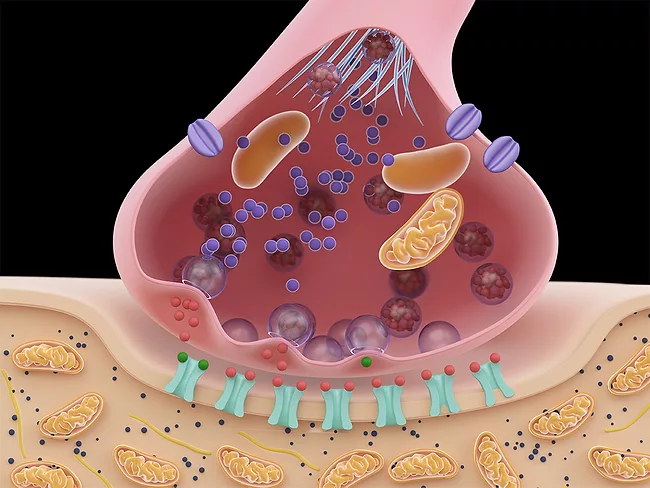
Oligomeric amyloid-β (Aβ) peptide causes synaptic dysfunction, accumulates within synapses, and has been associated with synapse loss around plaques in Alzheimer’s disease (AD). However, there is a need to identify synaptic binding partners of Aβ that mediate synaptotoxicity in the brain. A team of investigators from the University of Edinburgh and affiliated organizations aimed to identify synaptic receptors that bind Aβ in human AD.