Despite concerns to the contrary, none of the mutations currently documented in the SARS-CoV-2 virus appear to increase its transmissibility in humans, according to a new analysis of viral genomes from 46,723 people in 99 countries who contracted COVID-19.
With the world experiencing another wave of the coronavirus pandemic that threatens to overwhelm hospitals and testing capacity, the ability to quickly diagnose COVID-19 based on alternative methodologies has become increasingly important. For patients with respiratory symptoms, review of CT scans emerged as a relatively reliable indicator of infection with SARS-CoV-2 from the first days of its emergence, but the need for more accurate readings remains.
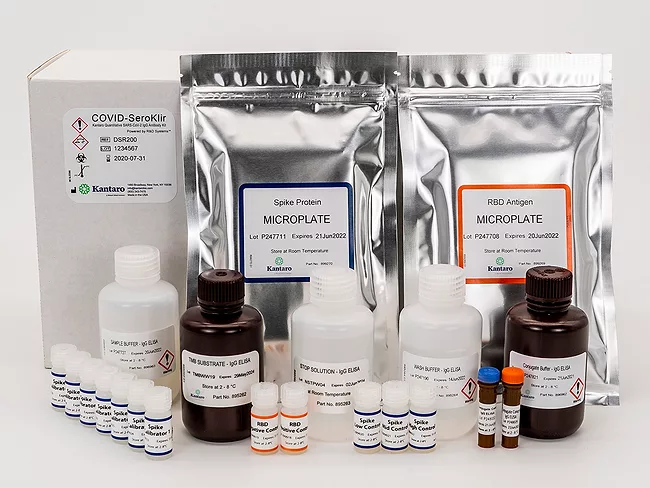
Kantaro Biosciences LLC, a joint venture between the Mount Sinai Health System and RenalytixAI, has received emergency use authorization from the U.S. FDA for its semi-quantitative SARS-CoV-2 IgG antibody test kit. Known as COVID-Seroklir, the test determines the presence and precise level of IgG antibodies. It has demonstrated 98.8% sensitivity and 99.6% specificity for detecting SARS-CoV-2 specific IgG antibodies against two virus antigens, the full-length spike protein and its receptor-binding domain.
Regulatory snapshots, including global submissions and approvals, clinical trial approvals and other regulatory decisions and designations: Acarix, Applied DNA, Co-Diagnostics, Corticometrics, Kantaro, Rapidrona.
CAJICA, Colombia – Cuba’s Finlay Institute of Vaccines is moving forward with Soberana 2, a domestically developed conjugate vaccine against SARS-CoV-2. This is the second vaccine under development in the small country of 12 million people.
Regulatory snapshots, including global submissions and approvals, clinical trial approvals and other regulatory decisions and designations: Apyx Medical, Braid Health, Cardiawave, Cepheid, Fluidigm, Neuronetics, Zymo Research.
More than a third of the money raised through biopharma financings in 2020 was raised by companies developing either a therapeutic or a vaccine for COVID-19, yet completely wiping away those totals still leaves the year with $76.8 billion, a full 12% more than the next highest year.