Biocartis Group NV received premarket approval from the U.S. FDA for its Idylla Cdx MSI test, developed in partnership with Bristol Myers Squibb Co., to help in the diagnosis and treatment of colorectal cancer. The cartridge-based, fully automated, sample-to-result test enables faster identification of patients with the disease who may benefit from therapeutic treatment.
The debate around the U.S. 340B prescription drug discount program is once again heating up in court and in Congress. A day after the American Hospital Association called on the FTC and Department of Justice to investigate alleged antitrust issues with the rebate models a few drug companies have proposed, some members of Congress raised concerns Sept. 9 about how providers are abusing the program. Meanwhile, a U.S. appellate court heard arguments that same day on whether states can speak in the silence of the federal law that created the program more than 30 years ago.
Oddsmakers placing their bets on which drugs will be in play for round 3 of the U.S. Inflation Reduction Act (IRA) price negotiations are doing some reshuffling, thanks to an orphan drug provision tucked into the Trump administration’s One Big Beautiful Bill Act (OBBBA) that was signed into law on the Fourth of July.
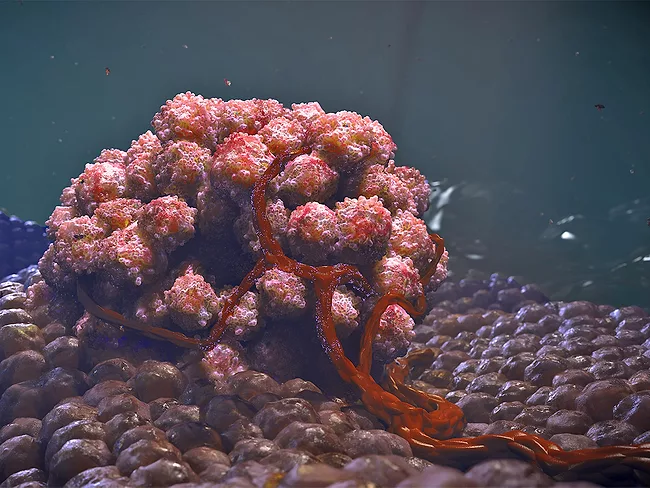
The WEE1 tyrosine kinase is an important cell cycle regulator that inhibits cell cycle progression during the S and G2/M phases to impede the division of cells with DNA damage. Tumor cells with replicative stress are thought to rely on WEE1 for their survival.
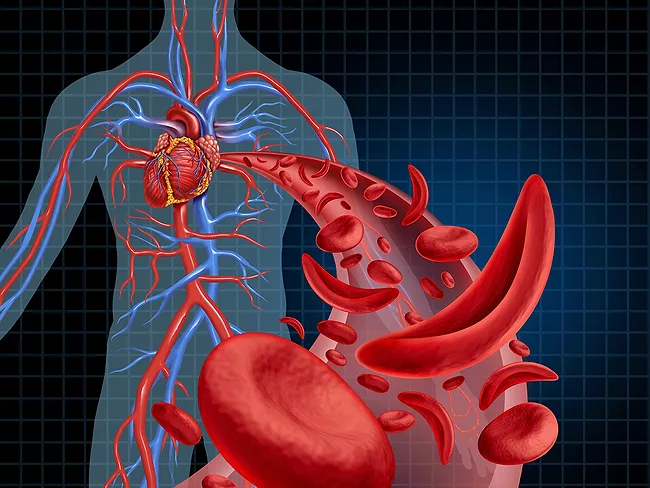
BMS-986470 is a potentially first-in-class molecular glue dual degrader, targeting zinc finger and BTB domain containing 7A (ZBTB7A) and widely interspaced zinc finger protein (WIZ). Bristol Myers Squibb Inc. recently presented details on the discovery of BMS-986470, which is now in phase I studies for the treatment of sickle cell disease (SCD) (NCT06481306).
Generative AI drug discovery company Vantai Inc. could bring in more than $1 billion in a new collaboration with Halda Therapeutics Inc. Vantai already has collaborations with other companies, including Bristol Myers Squibb Co. (BMS), Janssen Pharmaceutica and Blueprint Medicines Corp.
Bristol Myers Squibb Co. has prepared and tested proteolysis targeting chimera (PROTAC) compounds comprising an E3 ubiquitin ligase-binding moiety coupled to interleukin-1 receptor-associated kinase 4 (IRAK-4) targeting moiety through a linker reported to be useful for the treatment of autoimmune diseases and inflammatory disorders.
Biopharma dealmaking gained momentum in the second quarter (Q2) of 2025, surpassing the previous quarter and staying well above the 2024 quarterly average of $57.63 billion. Total deal value reached $71.45 billion across 278 transactions in Q2, rising from $66.86 billion and 333 deals in Q1. The quarter also marked a notable jump from Q2 of 2024, when $55.3 billion was raised through 360 agreements.