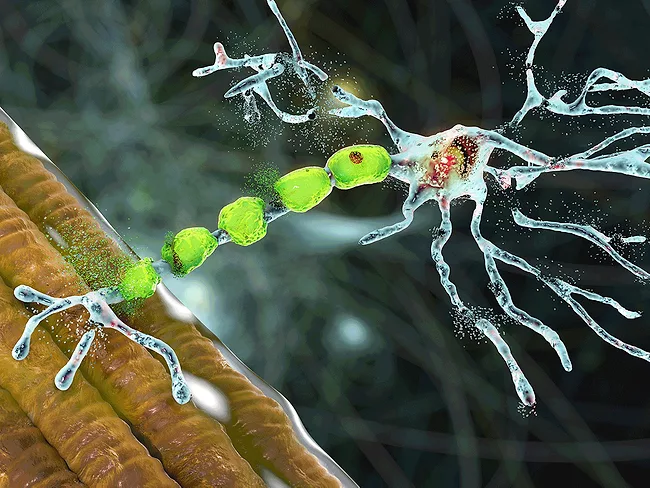
Sigma nonopioid intracellular receptor 1 (SIGMAR1) is a protein enriched in motor neurons (MNs), and mutations in its gene have been previously linked to various motor neuron diseases (MNDs). Researchers from Welab Barcelona and affiliated organizations recently presented preclinical data for two novel SIGMAR ligands, EST-79232 and EST-79376, being evaluated as potential candidates for the prevention of MN degeneration.
With the approval of Aduhelm (aducanumab, Eli Lilly & Co.) and Leqembi (lecanemab, Eisai Co. Ltd.), there are finally amyloid-targeting drugs available for Alzheimer’s disease (AD). What’s not available, though, are rose-colored glasses of the prescription strength that would make these approvals look like AD’s happy ending. The biopharma industry is already well aware of the need for broader horizons. Roughly three-quarters of drugs now in clinical development for AD target neither amyloid-β (Aβ) nor tau. Still, the genetic evidence from familial AD strongly implicates Aβ processing in AD’s origins. In his opening plenary talk at the European Academy of Neurology 2023 annual conference, Thomas Südhof suggested new ways to look at the clinical data.
Monoacylglycerol lipase (MAGL) is a key regulator of the endocannabinoid system (ECS), which has a critical neuromodulatory involvement in numerous functional mechanisms in the CNS. Based on this, MAGL is considered a promising therapeutic target in neuroinflammation and neurodegeneration. Researchers from ETH Zürich and affiliated organizations have recently presented their work on (R)-[18F]YH-134, a novel reversible radiotracer for imaging MAGL in the brain.
The phenotypic variety of spinocerebellar ataxias (SCAs) not caused by CAG repeat expansion (polyglutamine SCA) is greater than expected. A collaboration directed by scientists of the Paris Brain Institute described seven variants of this disorder in 756 individuals, observing that age at onset and progression by gene and variant can occur from childhood to late adulthood with very different forms of the disease.
Regenlife SAS raised $3.3 million in series A funding in order to finalize the development of its photomodulation technology to treat neurodegenerative diseases.
Researchers from Athira Pharma Inc. presented preclinical efficacy data for ATH-1105, a positive modulator of hepatocyte growth factor (HGF)/MET, being evaluate for the treatment of amyotrophic lateral sclerosis (ALS).
Scientists from the UK Dementia Research Institute at the University of Cambridge have described how cytosolic antibody receptor TRIM21 contributes to in vivo protection during tau immunotherapy. Their work on TRIM21’s mechanism of action may help in moving a step closer toward enhanced second-generation antibodies for tauopathy treatments.
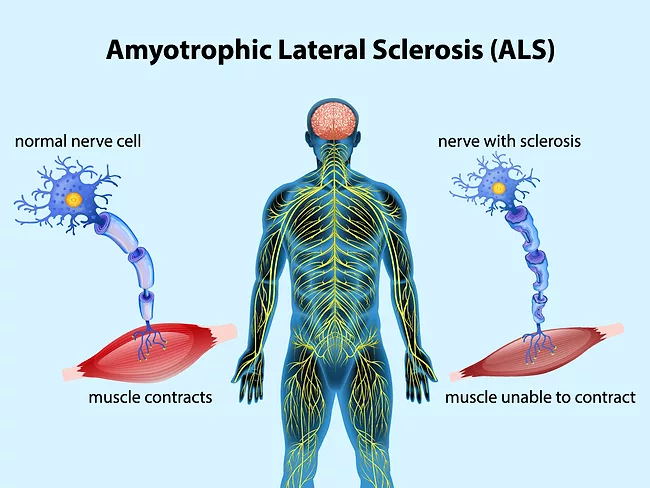
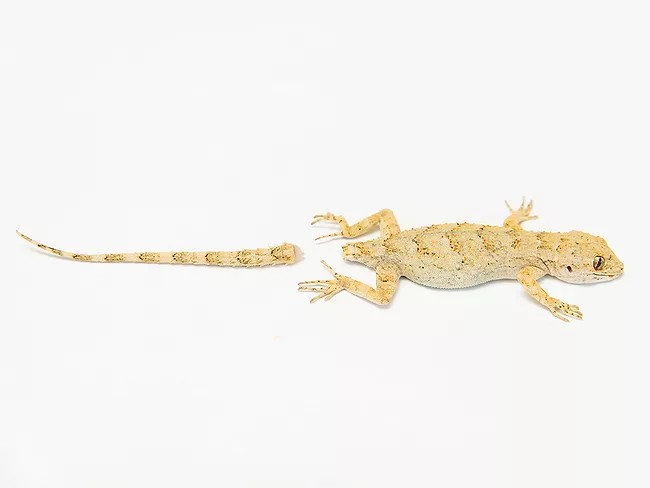
Losing the tail to survive. In neurons, the lizard’s strategy, losing the axon to be safe, could prevent cell death. Scientists at Harvard Medical School have observed that certain toxins activated axon loss to prevent damage and survive. This mechanism was mediated by the Gasdermin-E (GSDME) protein, which destroyed the mitochondria in the axons and eliminated the affected nerve projection before the cell died. The inhibition of GSDME prevented the loss of neurons and delayed the progression of amyotrophic lateral sclerosis (ALS) in mice models.
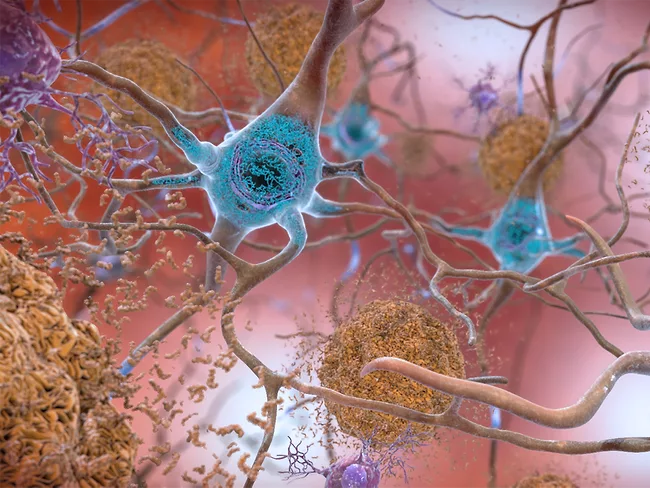
Scientists from Washington University in St. Louis have described a role for T cells in the neurodegeneration associated with the tau protein. Tau accumulation in the brain activated microglia. This signal triggered the activation of T cells in other parts of the body, attracting them to the brain. Once there, the interaction of these T cells and microglia produced the neuronal damage seen in Alzheimer’s disease and other tauopathies.
Microglial cells (MGs) are resident immune cells in the brain, which play a key role in the acute response and chronic recovery to stroke. Investigators at the University of Texas Health Science Center Houston aimed to evaluate MG transcriptomic response to stroke in mouse brain.