Aging is not just wear and tear. It is an active process that is driven, at least in part, by chronic inflammation that is the result of immune cell dysfunction. Now, investigators at Stanford University have identified the metabolic switch underlying immune cell switch from function to dysfunction.
Investigators have developed a new approach to classifying neurodegenerative disorders that used the overall patterns of protein aggregation, rather than specific proteins, to define six clusters of patients that crossed traditional diagnostic categories.
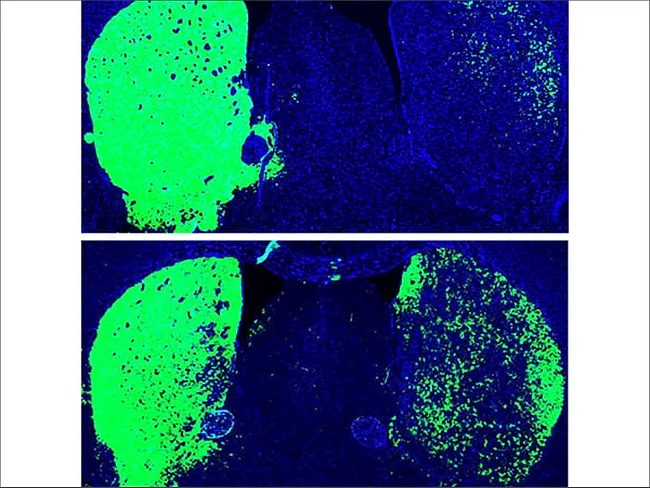
Two separate groups have recently shown that in mouse models, inactivation of a single gene was enough to directly convert other cell types in the brain into neurons.
Athira Pharma Inc. closed on an $85 million series B financing designed to advance its small molecule, NDX-1017, into a phase II/III trial for treating Alzheimer’s disease later this year. The company is using positive data generated last year from its phase Ia/b trial in patients with mild to moderate Alzheimer’s disease as a springboard to the clinic.
Chinese scientists have shown for the first time that the down-regulation of a single RNA-binding protein, polypyrimidine tract-binding protein 1 (Ptbp1), locally converted glial cells to neurons and showed promise for treating the symptoms of neurodegenerative diseases in mice.