The U.S. CMS is proposing to expand coverage of angioplasty and stenting for the carotid arteries to include patients who currently cannot receive this treatment for carotid artery stenosis outside of a clinical trial, generally a cause for celebration among device makers. However, Silk Road Medical Inc. is one possible exception to the overall picture as utilization of its transcarotid artery revascularization (TCAR) system may suffer as a result.
Five long years after the publication of the now-notorious Katsanos paper, the U.S. FDA has issued a final determination about whether devices indicated for treatment of peripheral artery disease carry the threat of excess mortality when using paclitaxel as an antiproliferative.
Leadless cardiac electrophysiology devices have been around for a while now, but Abbott Laboratories of Abbott Park, Ill., has managed to beat the competition in the market for dual chamber pacing via two leadless devices. The company reported July 5 that the U.S. FDA has approved the Aveir DR, a two-unit device configuration that provides pacing for both the right ventricle and the right atrium and which some analysts believe helps to make Abbott shares an underappreciated asset for investors.
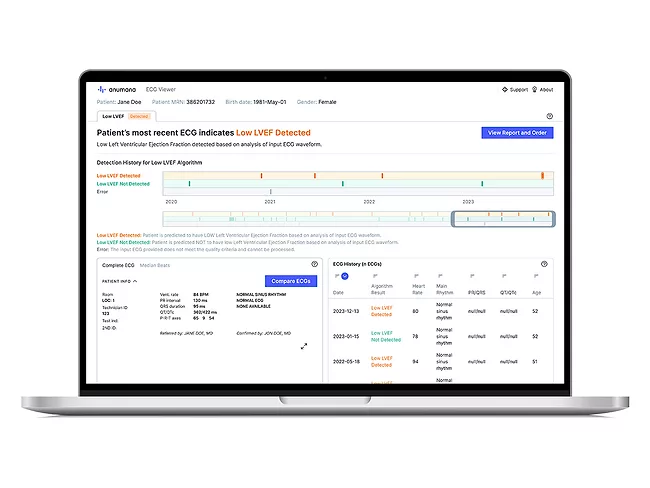
Anumana Inc. has garnered a U.S. FDA breakthrough device designation for its artificial intelligence (AI)-powered electrocardiogram-based algorithm for early identification of cardiac amyloidosis. The ECG-AI detection algorithm is the fourth from the company and its partners to notch breakthrough status.
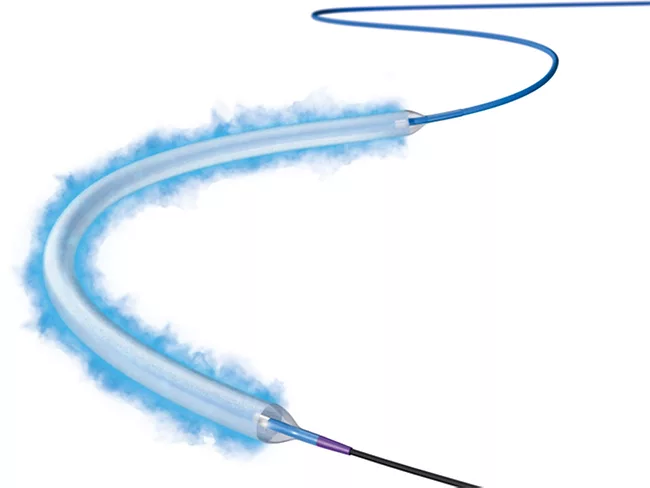
Boston Scientific Corp. said that three-year primary patency and the four-year freedom from target lesion revascularization (TLR) rate for patients treated with the Ranger drug-coated balloon (DCB), in the Ranger II superficial femoral artery (SFA) study, are the best ever reported data for randomized trials using DCBs.
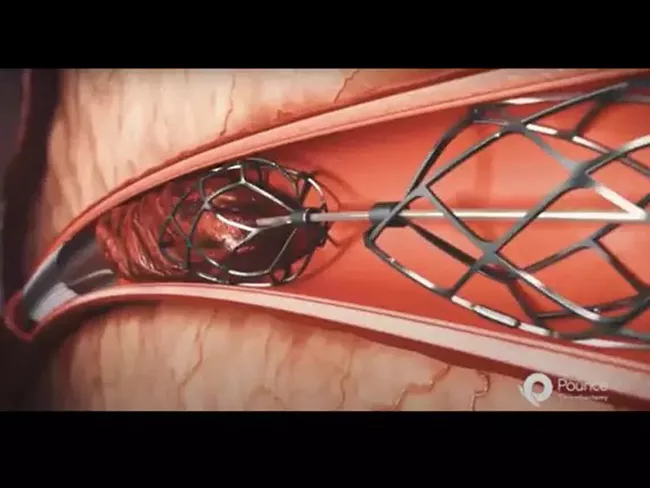
Surmodics Inc. is poised to jump on the market for below the knee thrombectomy now that its Pounce platform with a low-profile (LP) model has FDA 510(k) clearance. The system can now effectively clear organized clots from vessels as small as 2 mm in diameter. The Pounce LP expands the Eden Prairie, Minn.-based company’s “grab-go-flow” platform. In its first iteration, Pounce enabled removal of thrombi and emboli in peripheral arteries 3.5 mm to 6 mm in diameter.
Seeking to repurpose a validated oncology drug target for atherosclerosis is Bitterroot Bio Inc., a biotech company that introduced itself to the world on the back of a sizable $145 million series A, funds it intends to use to advance its lead monoclonal antibody, BRB-002, toward the clinic.
GE Healthcare Technologies Inc. has launched Sonic DL, a deep learning technology designed to significantly accelerate magnetic resonance imaging (MRI) exams, after receiving regulatory clearance from the U.S. FDA.
The U.S. FDA reported a class I recall for a subset of the Impella 5.5 with Smartassist due to leakage of purge fluid from a pump sidearm that could ultimately lead to a loss of pump function. Abiomed Inc., the maker of the device, had previously introduced corrective measures intended to suppress the problem with leakage, but those corrections have not completely resolved the problem, leading to the withdrawal of 466 units that were distributed in the U.S. between Sept. 8, 2021, and March 6, 2023.
Startup Brightheart SAS raised €2 million (US$2.14 million) in seed financing, from Sofinnova Partners, that will allow the company to accelerate the development of its artificial intelligence software, which helps physicians detect congenital heart defects in fetuses. Brightheart hopes that the technology will improve the detection of complex congenital heart defects during prenatal ultrasound screening as intervening early could address fetal malformations or abnormalities and improve a baby’s chance of survival.