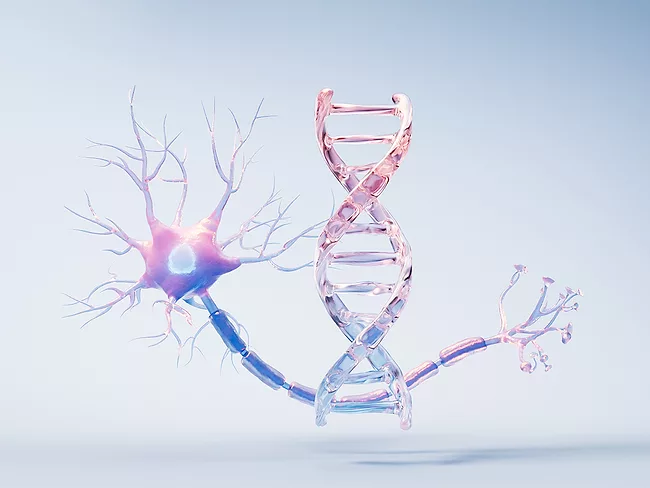
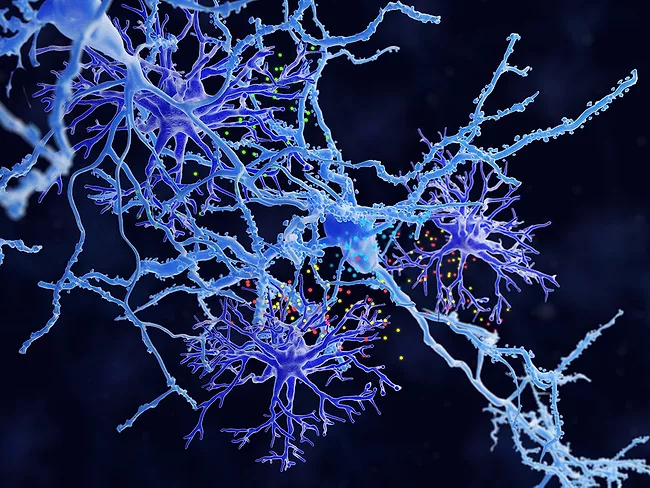
Parkinson’s disease is a progressive neurodegenerative disorder best known for its motor symptoms. However, a proportion of patients also develop dementia as the condition advances. Yet the biological divide between those who experience this cognitive decline and those who do not has remained an open question. Are they different conditions or simply stages of the same disease?
The switch will be flicked today to make the world’s largest dementia-related proteomics dataset freely available to researchers, at the same time as members of the consortium which compiled it publish the proteomics signatures of major neurodegenerative diseases that they uncovered in a first trawl of the data.
In a bid to boost its multiomics holdings, Illumina Inc. reported an agreement to buy proteomics technology company Somalogic Inc. from Standard Biotools Inc. for $350 million in cash, plus up to $75 million in near-term performance-based milestones and performance-based royalties.
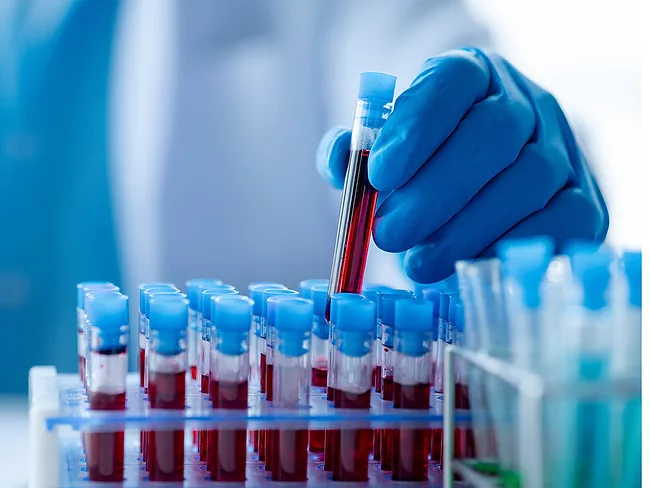
Fourteen global pharma companies are getting together to conduct the largest proteomics study to date, analyzing 600,000 blood samples held in the UK Biobank to assess the levels of 5,400 different proteins.
Fourteen global pharma companies are getting together to conduct the largest proteomics study to date, analyzing 600,000 blood samples held in the UK Biobank to assess the levels of 5,400 different proteins.
In its fifth year of transcription factor discovery, Talus Bioscience Inc. just raised $11.2 million in new venture funding. Seattle-based Talus will use the money to further develop its MARMOT (Multiplexed Assays for the Rational Modulation Of Transcription Factors) platform.
In Pumpkinseed Technologies Inc.’s first public patenting, the company’s co-founders describe their development of new proteomics platform that merges nanotechnology, biochemistry, silicon photonics and machine learning for high-resolution phenotyping to deliver new biological insights.
At a recent meeting on “Research priorities for preventing and treating Alzheimer’s disease and related dementias” (ADRD), convened by the National Academies, one consensus priority on ADRD research was that there needs to be more of it at every stage. Several speakers presented stark numbers on the relative volume of research in cancer and neurodegeneration. Research output, measured in peer-reviewed papers, for dementia is estimated to be around 10,000 papers annually, compared to 150,000 for cancer, while AD clinical trials are also few and far between compared to cancer trials. This final installment of BioWorld’s series on Alzheimer’s explores some of the reasons for this discrepancy along with the latest advances and ongoing efforts to accelerate research and drug development in the field.
China’s recovery from its zero-COVID policy has failed to gain the momentum expected, with many experts predicting a slow or even negative growth rate. A slower economy, combined with a push toward self-reliance, bodes poorly for diagnostics manufacturers in the U.S. who may find themselves not just shut out of the huge market but facing stiffer competition around the globe. Further, policies designed to build a domestic next-generation sequencing industry have created headwinds for San Diego-based Illumina Inc. and others, noted Kyle Mikson and Alex Vukasin of Canaccord Genuity in an in-depth report.
Bruker Corp. signed a definitive agreement to acquire functional cell biology company Phenomex for $108 million as part of its Project Accelerate 2.0 strategy, which increases focus on the company’s emerging proteomics and spatial biology business. Bruker offered $1 per share, a 150% premium over the 40 cents per share closing price of Phenomex stock on Aug. 16. The all-cash transaction is slated to close in the fourth quarter of 2023.