While the FDA’s reaction to the results of the Nov. 30 advisory hearing for the COVID-19 therapy molnupiravir is difficult to predict, demand for rapid antigen tests may jump considerably when this or any such product is approved. That increased demand could crunch supplies of these tests due to the convergence of any such approvals, the upcoming holiday season, and the 2021-22 flu season, a convergence that could hamper efforts to roll out these new therapies.
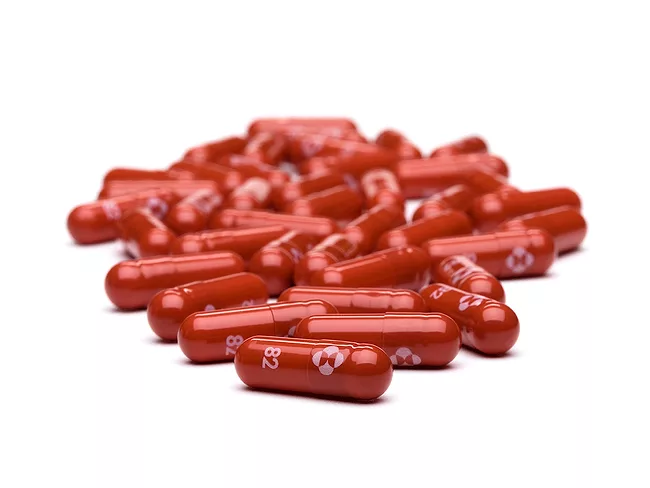
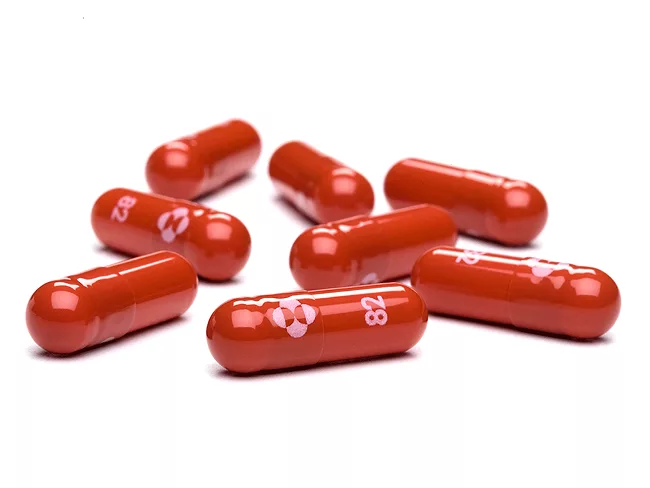
A divided FDA advisory committee voted 13-10 Nov. 30 that the known and potential benefits of the Merck & Co. Inc.-Ridgeback Biotherapeutics Inc.’s antiviral drug, molnupiravir, outweighs its known and potential risks. If granted an emergency use authorization (EUA), molnupiravir would become the first take-at-home oral drug in the U.S. to keep mild and moderate COVID-19 infections from becoming severe in high-risk adults.
With Omicron all the COVID-19 buzz right now, the FDA’s concern that the antiviral drug molnupiravir might enhance SARS-CoV-2 evolution might take on added weight when the Antimicrobial Drugs Advisory Committee meets Nov. 30 to advise on Merck & Co. Inc.-Ridgeback Biotherapeutics Inc.’s emergency use authorization (EUA) request for what could be the first take-at-home oral drug authorized to treat COVID-19 infections.
Molnupiravir, the take-at-home pill from Merck & Co. Inc. hailed as a potential game-changer against COVID-19, is not as effective as previously thought, according to newly released trial data from the company.
It’s decision time for oral drugs that could help the world return to normal even in the midst of the COVID-19 pandemic. The U.K. already has granted emergency authorization to Merck & Co. Inc. and Ridgeback Biotherapeutics Inc.’s antiviral, Lagevrio (molnupiravir), and the EMA is expected to complete its evaluation of the oral drug within the next few weeks. In the U.S., the FDA could announce its decision on Lagevrio shortly after its Antimicrobial Drugs Advisory Committee weighs in Nov. 30 on emergency use authorization.
What one analyst called “the single most important” nucleoside reverse transcriptase inhibitor in development – Merck & Co. Inc.’s islatravir – has met rocky terrain, with the firm and its partner, Gilead Sciences Inc., pausing combo trials.
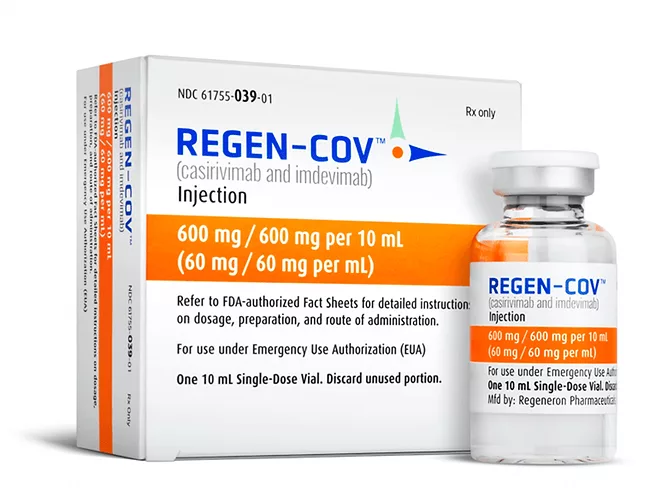
New positive phase III study results for Regeneron Pharmaceuticals Inc.’s COVID-19 monoclonal antibody cocktail show a single dose reduced the risk of contracting the virus by 81.6% during a two- to eight-month follow-up period. The strong data go along with Pfizer Inc.’s recent positive results for its oral antiviral, Paxlovid, hinting that COVID-19 therapeutics could begin cutting into powerful mRNA vaccine margins from Pfizer Inc.-Biontech SE and Moderna Inc.
Just a day after the world's first approval of Merck & Co. Inc.'s oral antiviral for COVID-19 positioned it to offer a new way to keep Britons at high risk of severe disease out of the hospital, Pfizer Inc. is stopping a phase II/III trial of its oral antiviral, Paxlovid, early for "overwhelming efficacy" in a similar group. Interim results showed that combining the drug, also known as PF-07321332, with ritonavir reduced the risk of hospitalization or death for adults with mild to moderate COVID-19 but at high risk of severe disease by 89% vs. placebo.
A closely watched oral antiviral for the treatment of mild to moderate COVID-19 will soon be available in Britain after a conditional authorization by the U.K. Medicines and Healthcare products Regulatory Agency. Developed by Ridgeback Biotherapeutics Inc. and Merck & Co. Inc., the drug will be marketed as Lagevrio (molnupiravir) and made available via a national study this winter, the government said.
Merck & Co. Inc. has signed a potential $1 billion research tie-up with Synthekine Inc. to develop engineered cytokines to fight autoimmune diseases, as its $11.5 billion merger with Acceleron Pharma Inc. hit a regulatory speed bump.