Researchers at the University of Copenhagen have identified a signaling pathway that simultaneously increased energy expenditure and decreased food intake. In both human and primate studies, agonists of the tachykinin NK2 receptor (NK2R) led to both decreased food intake and increased energy expenditure. And in behavioral tests, they were not aversive, suggesting they do not cause the nausea that is a major side effect of GLP-1 agonists.
When U.S. CMS Administrator Chiquita Brooks-LaSure announced Nov. 26 that the agency is “reinterpreting” the law in proposing a rule allowing Medicare and Medicaid to cover obesity drugs beginning in 2026, she called it a “historic step.” The rule, if finalized, could make obesity drugs like Novo Nordisk A/S’ Wegovy (semaglutide) and Eli Lilly and Co.’s Zepbound (tirzepatide) available to millions more Americans and further invigorate development of other obesity drugs. But given the lateness of the day in the Biden administration, the proposal may be more symbolic than historic.
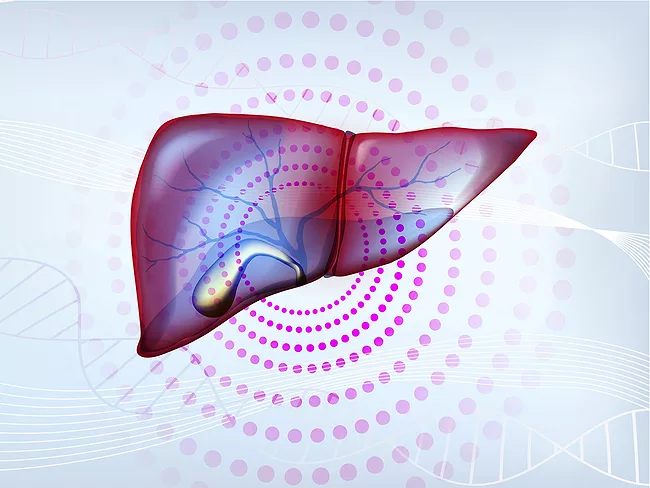
Positive findings from a phase III trial of semaglutide in metabolic dysfunction-associated steatohepatitis (MASH) is moving Novo Nordisk A/S to expand the glucagon-like peptide-1 (GLP-1) agonist’s indications in the U.S. and Europe, the Danish pharma said, as the MASH field sights more novel therapies.
Nearly $3.8 billion was earned by Novo Nordisk A/S and Eli Lilly and Co. in the third quarter for their glucagon-like peptide-1 (GLP-1) drugs to treat obesity. Novo’s GLP-1 drug, Wegovy (semaglutide), approved by the U.S. FDA in June 2021, had sales of DKK17.3 billion (US$2.5 billion), while Lilly’s Zepbound (tirzepatide), which is a GLP-1 and glucose-dependent insulinotropic polypeptide dual agonist FDA-approved in November 2023, posted sales of $1.26 billion for the quarter.
Positive findings from a phase III trial of semaglutide in metabolic dysfunction-associated steatohepatitis (MASH) is moving Novo Nordisk A/S to expand the glucagon-like peptide-1 (GLP-1) agonist’s indications in the U.S. and Europe, the Danish pharma said, as the MASH field sights more novel therapies.
Semaglutide, the glucagon-like peptide 1 receptor agonist from Novo Nordisk A/S, which has seemingly improved every disease it’s been tested on, was a focus at Kidney Week 2024, where researchers presented data from multiple clinical studies in patients with kidney diseases.
The first bispecific antibody to win regulatory approval is about to make a comeback 10 years after being taken off the market in Europe for commercial reasons. Catumaxomab, then called Removab, and now reborn with the brand name Korjuny, received a positive opinion for the treatment of malignant ascites from the EMA’s Committee for Medicinal Products for Human Use (CHMP,) at its monthly meeting Oct. 14 to 17.
Danish pharma giant Novo Nordisk A/S is set to launch its blockbuster glucagon-like peptide-1 therapy, Wegovy (semaglutide), in South Korea’s growing obesity therapeutics market next week, a company official confirmed to BioWorld.
In one of the top series A financings in biopharma history, new company Kailera Therapeutics Inc. emerged with $400 million raised and a pipeline of next-generation assets to treat obesity and type 2 diabetes.
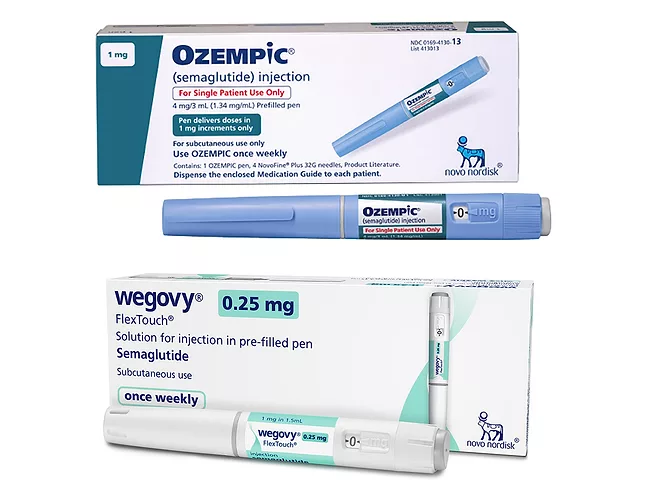
Given the demand for Ozempic and Wegovy and the revenue the GLP-1 drugs are generating for Novo Nordisk A/S in the U.S., a lot of generic companies are clamoring to cash in on the drugs’ current popularity. And there are some U.S. lawmakers more than willing to oblige.