Pfizer Inc. has delivered on its threat of legal action against the attempt by Novo Nordisk A/S to scupper its acquisition of Metsera Inc., and has filed two lawsuits, one alleging breach of contract, and a second claiming that a merger of Novo Nordisk and Metsera would violate antitrust regulations.
Pfizer Inc. is threatening legal action at an attempt by Novo Nordisk A/S to scupper its acquisition of Metsera Inc., with an unsolicited $9 billion offer for the anti-obesity specialist. That trumps Pfizer’s agreed bid made in September, which valued New York-based Metsera at $7.3 billion.
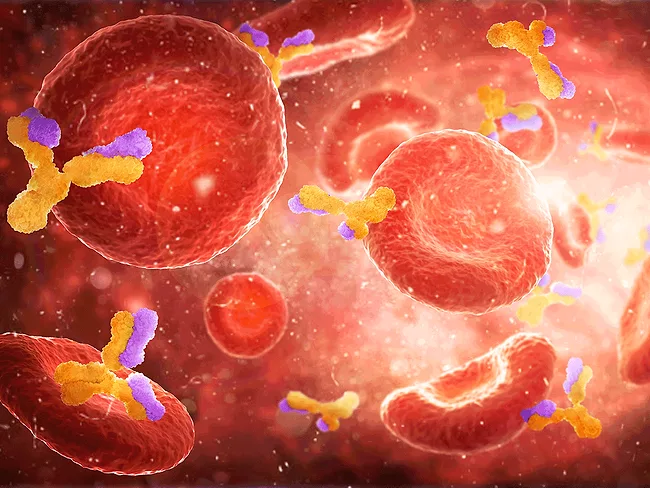
Paroxysmal nocturnal hemoglobinuria (PNH) – the rare blood disorder characterized by premature destruction of red blood cells – found itself in the spotlight, as did shares of Omeros Corp. (NASDAQ:OMER), which closed Oct. 15 at $10.42, up $6.32, or 154%, on word of an asset purchase and license agreement with Novo Nordisk A/S for zaltenibart (formerly OMS-906).
In one of the biggest deals of the waning year, Novo Nordisk A/S is buying Akero Therapeutics Inc. to bolster its metabolic dysfunction-associated steatohepatitis (MASH)-treatment portfolio. In the $5.2 billion deal, Akero brings its fibroblast growth factor 21 analogue, efruxifermin, which is in a phase III study for treating those with moderate to advanced liver fibrosis and those with cirrhosis.
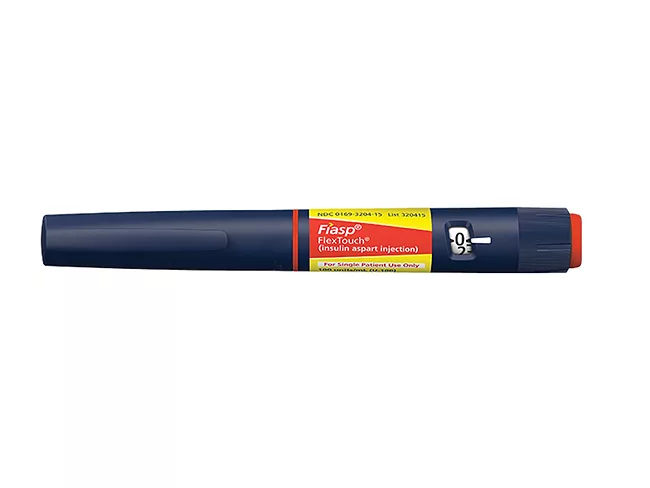
Like the federal district court before it, the U.S. Court of Appeals for the Third Circuit said it lacks jurisdiction to rule on the merits of Novo Nordisk A/S’ claim that the CMS violated the Inflation Reduction Act (IRA) when it treated six of the company’s insulin aspart products as one negotiation-eligible single-source drug.
Novo Nordisk A/S terminated its global licensing deal with Japan’s Heartseed Inc. for its allogeneic induced pluripotent stem cell (iPSC)-derived cardiomyocytes.
Although cagrilintide from Novo Nordisk A/S proved less than impressive when paired with GLP-1 agonist semaglutide in a single drug known as Cagrisema, the dual long-acting amylin analogue and calcitonin receptor agonist is looking good as a monotherapy in a subanalysis of the phase III Redefine-1 trial.
Replicate Bioscience Inc. and Novo Nordisk A/S have entered into a multiyear research collaboration that will leverage Replicate’s novel self-replicating RNA (srRNA) platform to develop new therapeutic candidates to treat obesity, type 2 diabetes and other cardiometabolic diseases.
Three milestones expected to bring the reality of U.S. prescription drug price negotiations into focus are hovering on the horizon. First, the CMS is scheduled to publish its maximum fair prices (MFPs) for the round 2 selected drugs by Nov. 30. Then, on Jan. 1, the MFPs for the first round kick in, affecting not only the 10 selected drugs, but a dozen approved biosimilars referencing the three biologics in that round, 94 generics either approved or tentatively approved that reference the small molecules on the list, and perhaps other innovator drugs in the same therapeutic spaces. And by Feb. 1, CMS must publish the list of up to 15 drugs selected for negotiations for the 2028 price year. That list will be the first to include Part B drugs.
To strengthen its development efforts, Novo Nordisk A/S will collaborate in a deal that could bring Replicate Bioscience Inc. about $550 million. In return, Novo is getting an exclusive, worldwide license to use Replicate’s self-replicating RNA (srRNA) platform to develop the candidates. The two are aiming at targets in cardiometabolic diseases that include treatments for obesity and type 2 diabetes.