The U.K. is stepping up its response to the Omicron COVID-19 variant after the country’s regulatory agency approved Xevudy (sotrovimab), the antibody therapy from Glaxosmithkline plc and Vir Biotechnology Inc. At the same time the country placed orders for 114 million more doses of COVID-19 vaccines from Pfizer Inc. and Moderna Inc., for use in 2022 and 2023.
One of the biggest concerns at the Nov. 30 meeting of the FDA’s Antimicrobial Drugs Advisory Committee is that, if Merck & Co. Inc.-Ridgeback Biotherapeutics Inc.’s antiviral drug, molnupiravir, is authorized for use in treating mild to moderate COVID-19 in patients at high risk of progressing to severe disease, it might be used too broadly, given its potential risks.
While the FDA’s reaction to the results of the Nov. 30 advisory hearing for the COVID-19 therapy molnupiravir is difficult to predict, demand for rapid antigen tests may jump considerably when this or any such product is approved. That increased demand could crunch supplies of these tests due to the convergence of any such approvals, the upcoming holiday season, and the 2021-22 flu season, a convergence that could hamper efforts to roll out these new therapies.
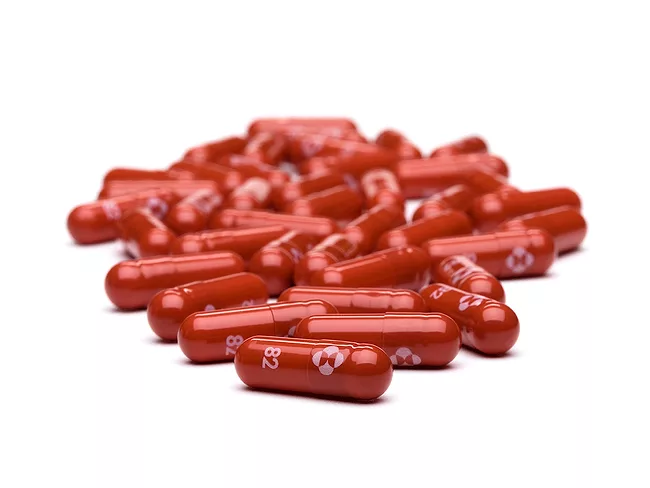
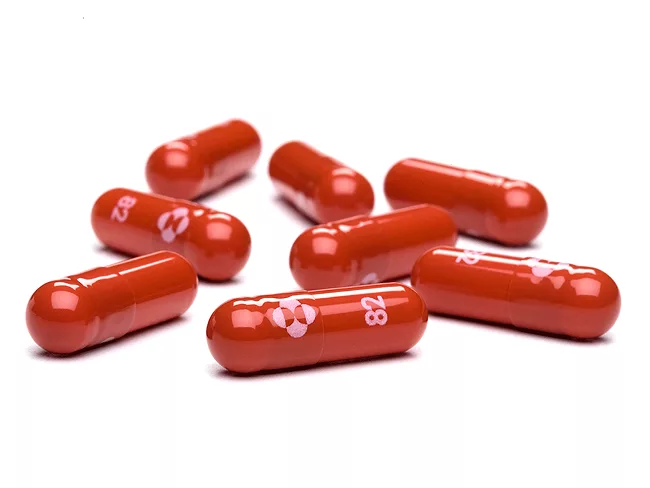
A divided FDA advisory committee voted 13-10 Nov. 30 that the known and potential benefits of the Merck & Co. Inc.-Ridgeback Biotherapeutics Inc.’s antiviral drug, molnupiravir, outweighs its known and potential risks. If granted an emergency use authorization (EUA), molnupiravir would become the first take-at-home oral drug in the U.S. to keep mild and moderate COVID-19 infections from becoming severe in high-risk adults.
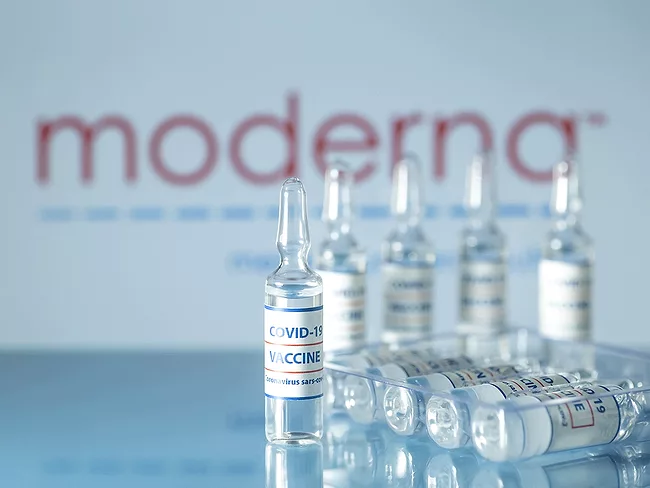
While the world grapples for a clear picture of the Omicron variant and how to handle it, Moderna Inc., Biontech SE and Adagio Therapeutics Inc. stepped out with stock advances, building on momentum from the end of last week, while eyeing 2022 as a launch date against the variant.
Molnupiravir, the take-at-home pill from Merck & Co. Inc. hailed as a potential game-changer against COVID-19, is not as effective as previously thought, according to newly released trial data from the company.
It’s decision time for oral drugs that could help the world return to normal even in the midst of the COVID-19 pandemic. The U.K. already has granted emergency authorization to Merck & Co. Inc. and Ridgeback Biotherapeutics Inc.’s antiviral, Lagevrio (molnupiravir), and the EMA is expected to complete its evaluation of the oral drug within the next few weeks. In the U.S., the FDA could announce its decision on Lagevrio shortly after its Antimicrobial Drugs Advisory Committee weighs in Nov. 30 on emergency use authorization.
Former FDA Commissioner Stephen Hahn is being asked to spill the beans on political interference at the U.S. agency during the emergence of COVID-19 last year.
The FDA amended emergency use authorizations (EUAs) for the Moderna Inc. COVID-19 vaccine as well as the shot from Pfizer Inc. and Biontech SE. A single booster dose was green-lighted for people 18 years and older at least six months after finishing the primary regimen with either of the vaccines, or at least two months after getting the Johnson & Johnson shot.
Pfizer Inc. scored a $5.29 billion deal with the U.S. government to provide 10 million courses of the company’s oral antiviral candidate Paxlovid (PF-07321332; ritonavir) for COVID-19, as Astrazeneca plc and Novavax Inc. also generated news in the space. Paxlovid, if approved or authorized, would be the first oral antiviral of its kind: a 3CL protease inhibitor specifically designed to combat SARS-CoV-2. New York-based Pfizer is seeking emergency use authorization (EUA) from the FDA. Rolling submissions have also commenced in several other countries, and the company continues to build its case for regulatory agencies around the world.