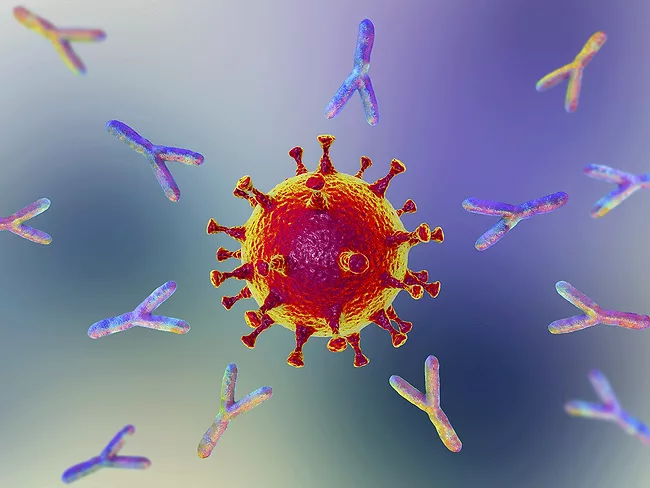
An editorial yesterday in The New England Journal of Medicine (NEJM) marveled that “the world has now witnessed the compression of six years of work into six months,” and went on to ask the question that’s on everyone’s pandemic-wrenched mind: “Can the vaccine multiverse do it again, leading to a reality of a safe, efficacious COVID-19 vaccine for the most vulnerable in the next six [months]?”
LONDON – Mission Therapeutics Ltd. has sealed a discovery deal with Pfizer Inc. around its small-molecule protein degradation platform and raised $15 million as an extension to its series C, with Pfizer Ventures leading the round.
The question of prices for a COVID-19 vaccine have raged in recent days. Gary Disbrow, acting director of the Biomedical Advanced Research and Development Authority (BARDA), told members of a Senate committee that vaccines developed with the help of taxpayer funding will come with an appropriate reduction in price. However, CDC Director Robert Redfield emphasized that the cold-chain distribution system for those products requires the same kind of at-risk investment that is used for vaccine development.
Biosimilars referencing Amgen Inc.’s rheumatoid arthritis drug, Enbrel (etanercept), could remain sidelined in the U.S. for nearly another decade, following a Federal Circuit decision Wednesday affirming the validity of two patents protecting etanercept and its manufacturing methods.
LONDON – Biontech SE announced positive preliminary data from the ongoing phase I/II trial of one of the four COVID-19 vaccines it is developing with Pfizer Inc., with participants in each of three dose groups mounting immune responses that were greater than seen in patients who recovered from COVID-19 infections.
Citing the First Amendment, the Fifth Amendment and the logic of fair play, Pfizer Inc. is taking on a Health and Human Services’ (HHS) antitrust policy that prohibits drug companies from helping Medicare beneficiaries with hefty copays.
LONDON – The World Health Organization (WHO) is stepping up its effort to try and ensure equitable access to any approved COVID-19 vaccines and therapies, putting in place a system for sharing all intellectual property, information and clinical trials data needed to enable generic manufacturing.
LONDON – The World Health Organization (WHO) is stepping up its effort to try and ensure equitable access to any approved COVID-19 vaccines and therapies, putting in place a system for sharing all intellectual property, information and clinical trials data needed to enable generic manufacturing.
LONDON – The CEOs of Pfizer Inc. and Astrazeneca plc both say they are on track to make their COVID-19 vaccines available for use before the end of the year and have promised to manufacture at risk, supply at cost and ensure equitable access.
New data show Johnson & Johnson’s Erleada (apalutamide) and Xtandi (enzalutamide) from Pfizer Inc. and Astellas Pharma Inc. both prolonged overall survival in men with non-metastatic castration-resistant prostate cancer (nmCRPC).